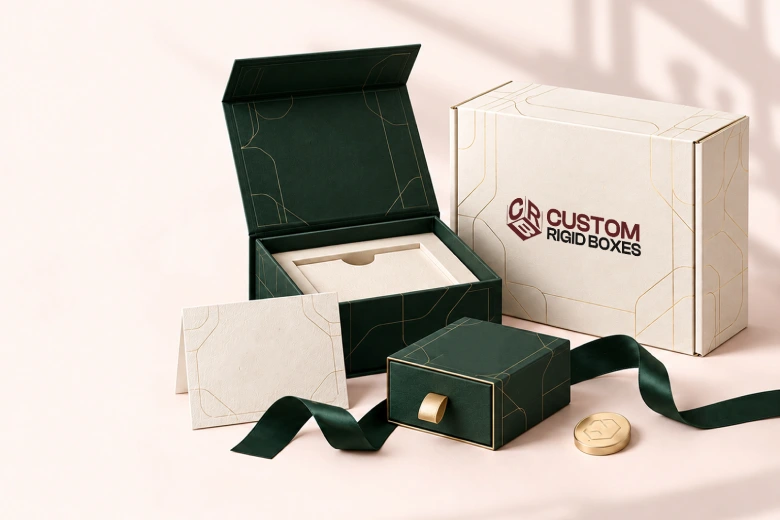
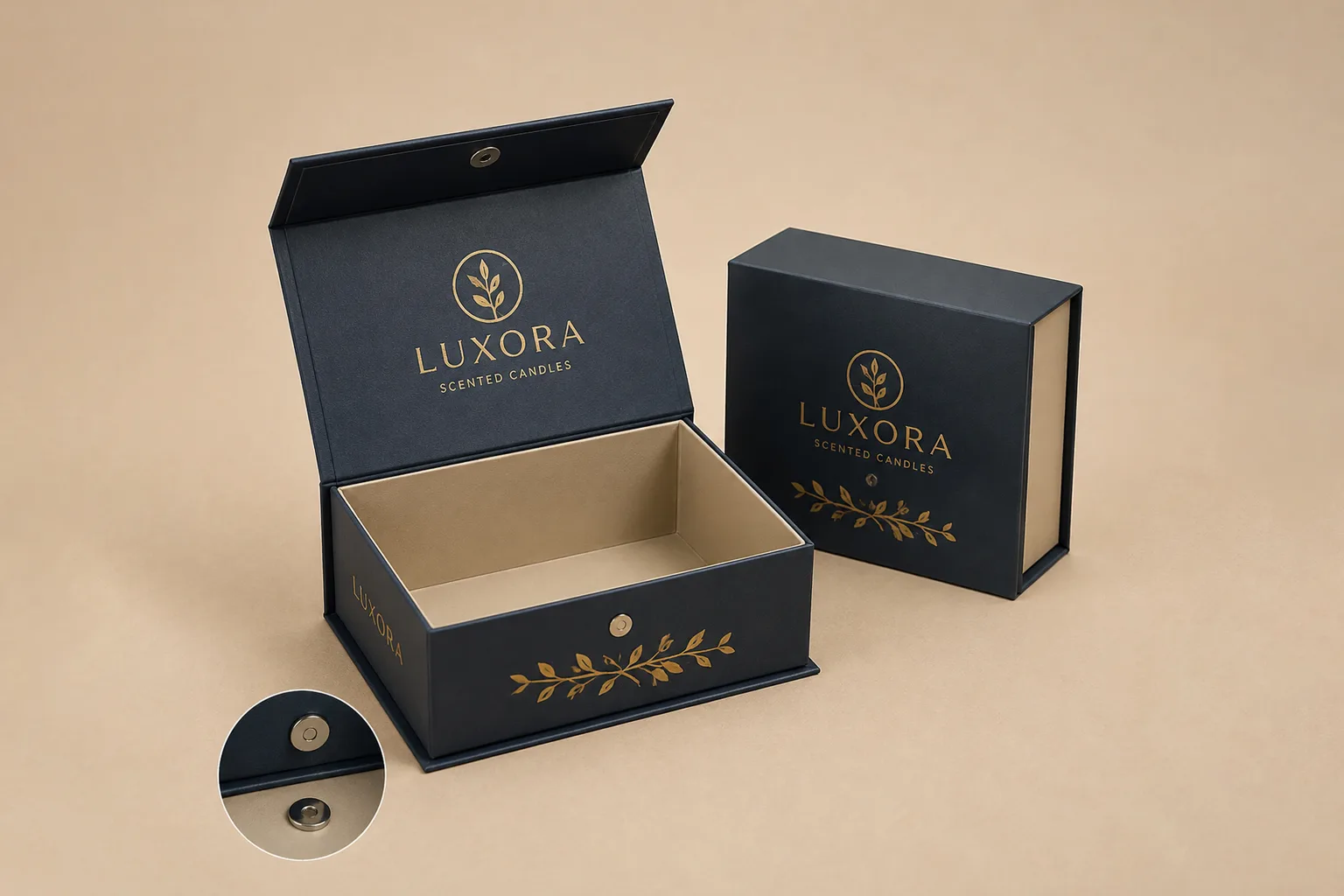
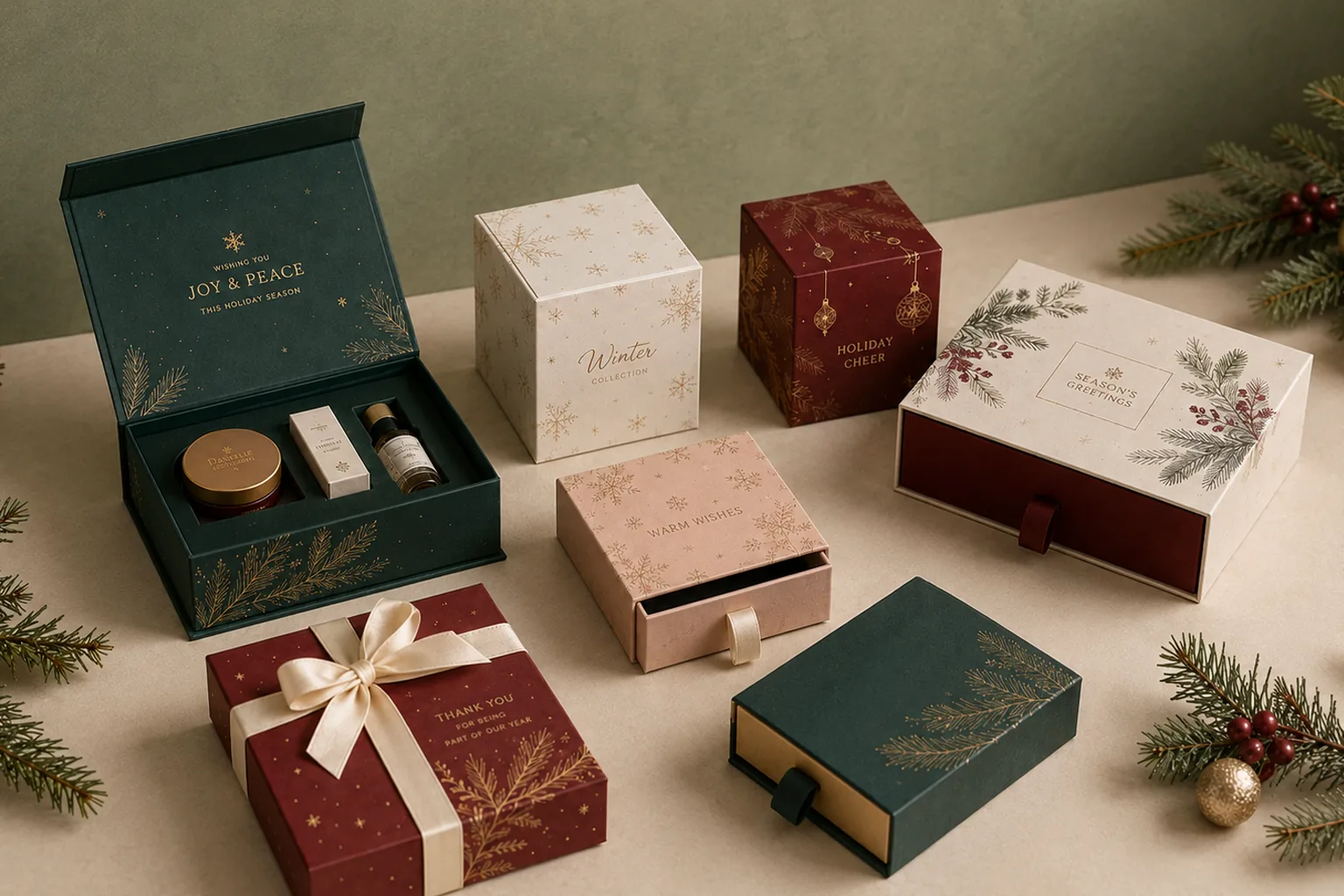
When you see the shine and classy look of certain packaging, or the sheer elegance of some custom boxes, you’re likely looking at the beauty of hot foiling. Today, businesses across industries choose this specialty technique for valid reasons.
Foil stamping is the art, the technicality, and the quality that are applied to packaging boxes to show their magic. In this complete guide, we will explore everything about hot foiling, including its materials, process, types, and benefits.
What Is Hot Foiling?
Hot foiling is a premium printing technique that applies a thin layer of metallic or pigmented foil onto printed materials using heat, pressure, and a custom metal die. The entire process creates a shiny, elegant, and durable design that adds a high-end feel to printed materials.
Is foil stamping the same as hot stamping?
Yes, both refer to the same process. It is a decorative technique where a thin layer of foil is transferred to a surface using heat and pressure.
What Materials Are Needed for Hot Foil Stamping?
The hot foiling process requires some materials to create premium printing results.
What are they?
- Foil Rolls
The foil rolls are available in matte and glossy finishes. Also, they can be any color, although metallic foils like gold and silver are the classics.
- Metal Plates (Dies)
Metal plates are essential for creating foil designs. These plates are crafted for each color foil required in the design.
- Heat and Pressure
The magic of hot foil stamping begins when heat and pressure are applied. The combination of the two transfers the foil onto the printed material, resulting in a stunning aesthetic finish.
- Additional Dies (for Embossing)
If you wish to create a raised or embossed effect, additional dies can add depth and texture to the final product.
How Hot Foiling Works?
Now that you know the materials required for hot foil stamping, let’s break down the process.
- Design prep: Your desired design is prepared, often using vector artwork.
- Die creation: A custom metal die is engraved from materials such as brass or copper, based on your artwork.
- Foil selection: A specialized foil consisting of a polyester film layer, a metallic or pigment layer, and an adhesive is selected.
- Heating: The die is then heated to the correct temperature by the stamping machine.
- Pressure and transfer: The heated die is pressed against the foil and the printed surface. The heat and pressure cause the foil to adhere to the die’s design, and the excess foil is lifted away.
- Finishing: Additional effects such as embossing or spot UV coating can be applied after the foil is applied.
What Is Foiling on Custom Boxes?
Applying hot foil to packaging boxes can add a shiny, premium finish to your business logo, text, or patterns. The process transfers a metallic or pigmented design onto a surface using a heated metal die. It elevates the aesthetics of your boxes, giving them an exclusive look.
When you combine hot foil stamping with premium rigid boxes, you can create an eye-catching, luxurious appearance that enhances brand perception and makes your products stand out.
Moreover, packaging design with hot foiling doesn’t smudge or fade. The result? You can expect an “Instagrammable” look that generates social media buzz.
What Are the Types of Foil Stamping?
There are different techniques of foil stamping, each producing a different effect.
Depending on how you want your custom-printed boxes to look, here are some common types you can choose from.
Flat Foil Stamping
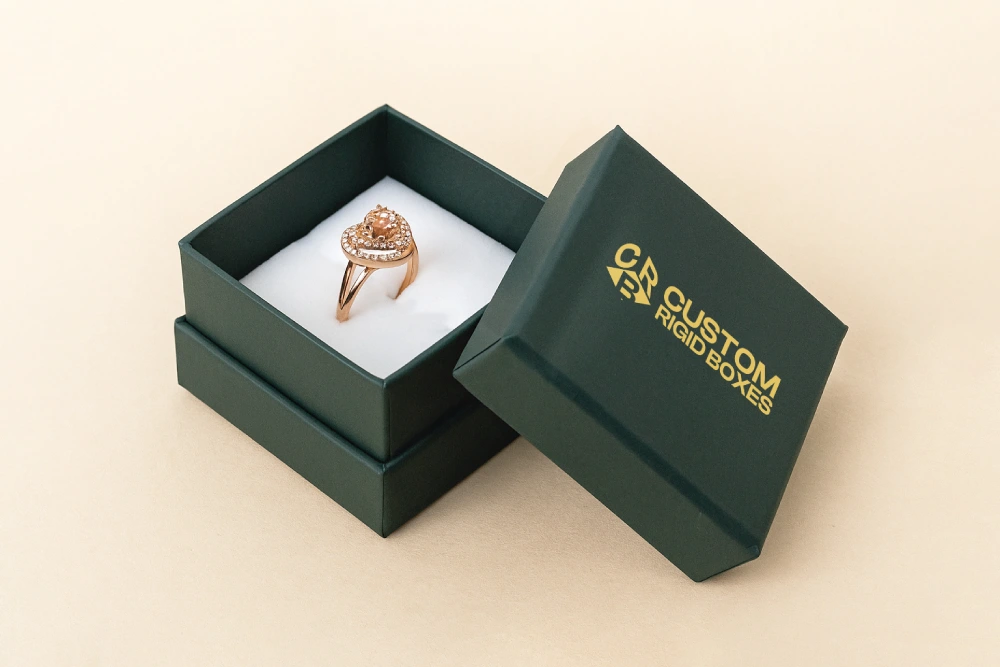
If you need a simple, economical option, flat foil stamping is the best choice. The process uses a metal stamp to transfer the foil onto your boxes, resulting in a design that relatively rises from the surface.
This stamping type is ideal for products that require an elegant look, perfect for making jewelry boxes look lavish and professional.
Vertical Foil Stamping
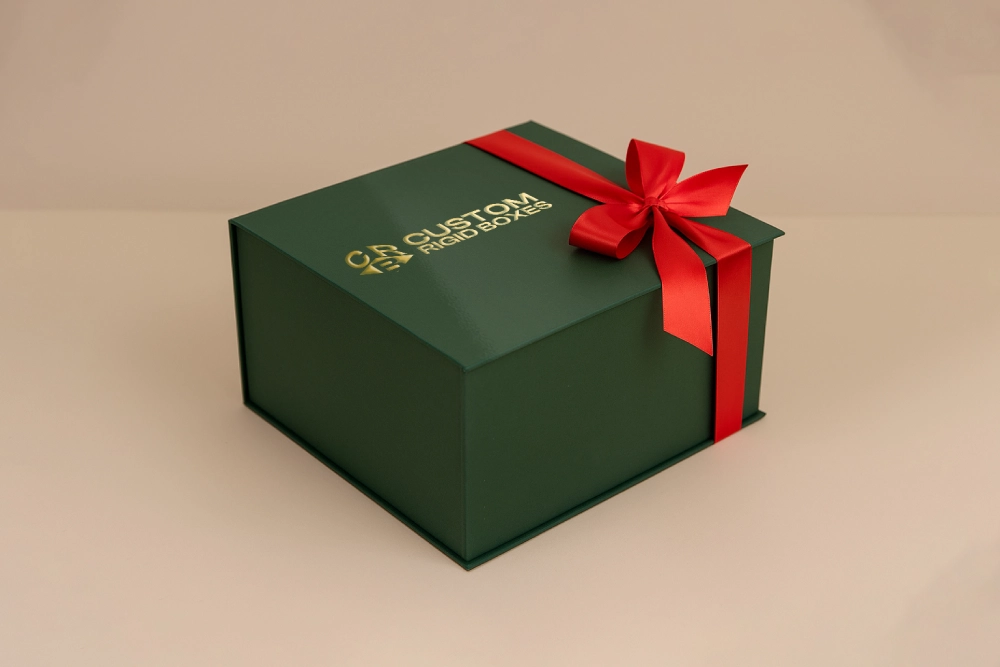
Ideal for both flat and cylindrical surfaces, vertical foil stamping is flexible for applying foil designs. This type of foil stamping will be suitable for electronic packaging or gift boxes. Why? This technique adds a decorative, high-value finish to your products, where visual appeal is a key factor in conveying quality.
Sculpted Foil Stamping
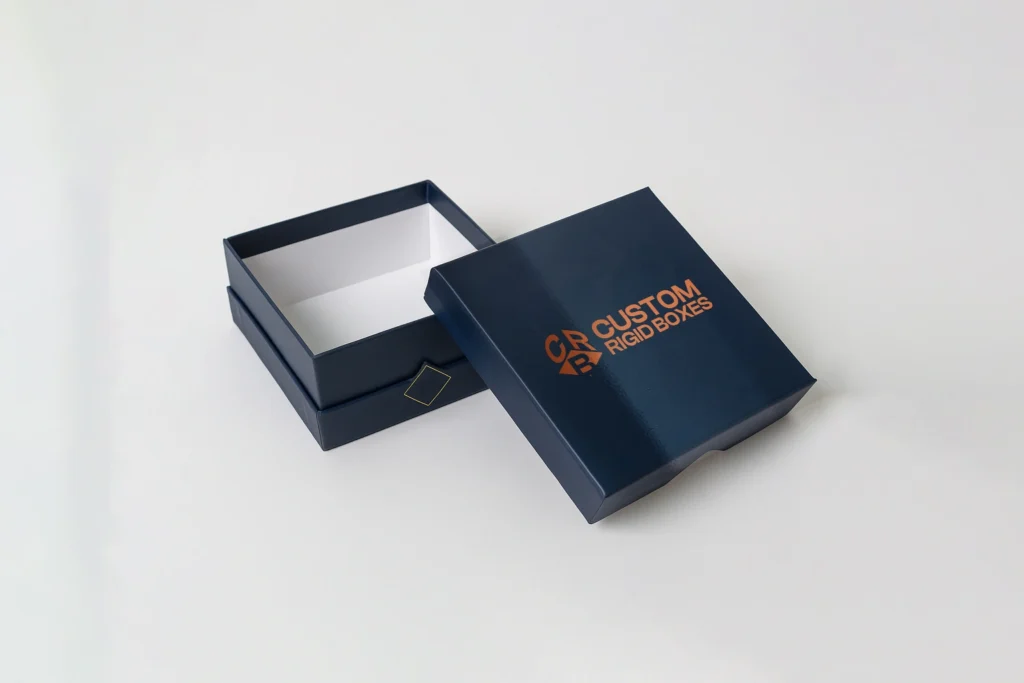
Using brass dies, sculpted foil stamping produces a raised image with a finely defined, carved appearance. This technique is effective for products including luxury goods, gift sets, and food categories.
Peripheral Foil Stamping
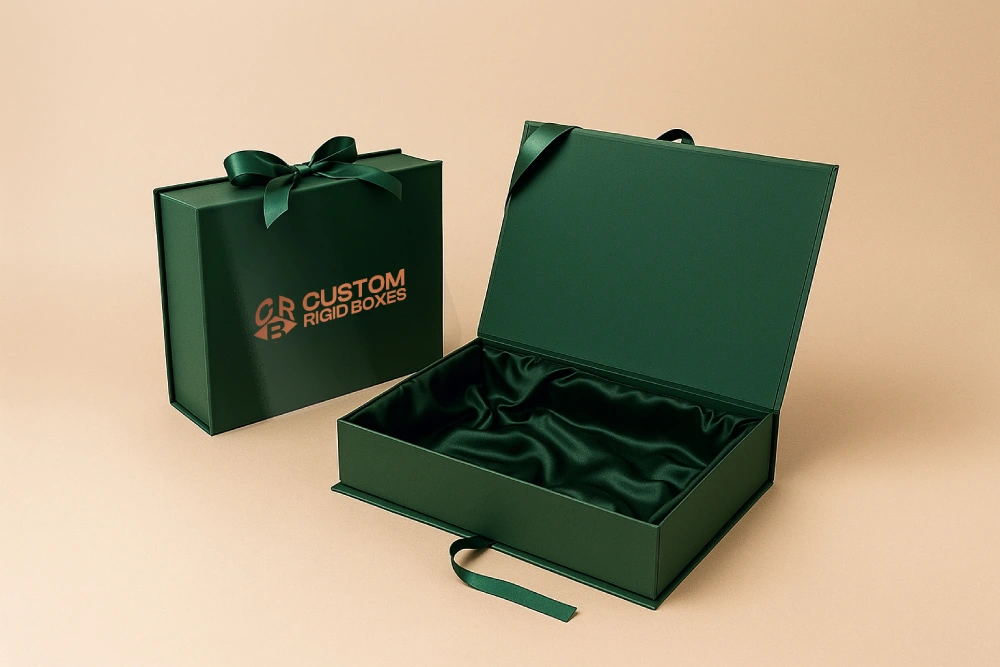
For this type, the foil heat transfers are applied to the outer perimeter to make a unique look. The technique creates a decorative border effect, making your products stand out with excellent branding and eye-grabbing metallic. Therefore, peripheral foil stamping is ideal for packing business cards and promotional materials in presentation boxes.
Types of Foils Used in Hot Foil Stamping
Speaking of packaging design, the choice of foil can significantly impact its overall appearance.
So, let’s check out the types of foils you can choose from.
Metallic Foil
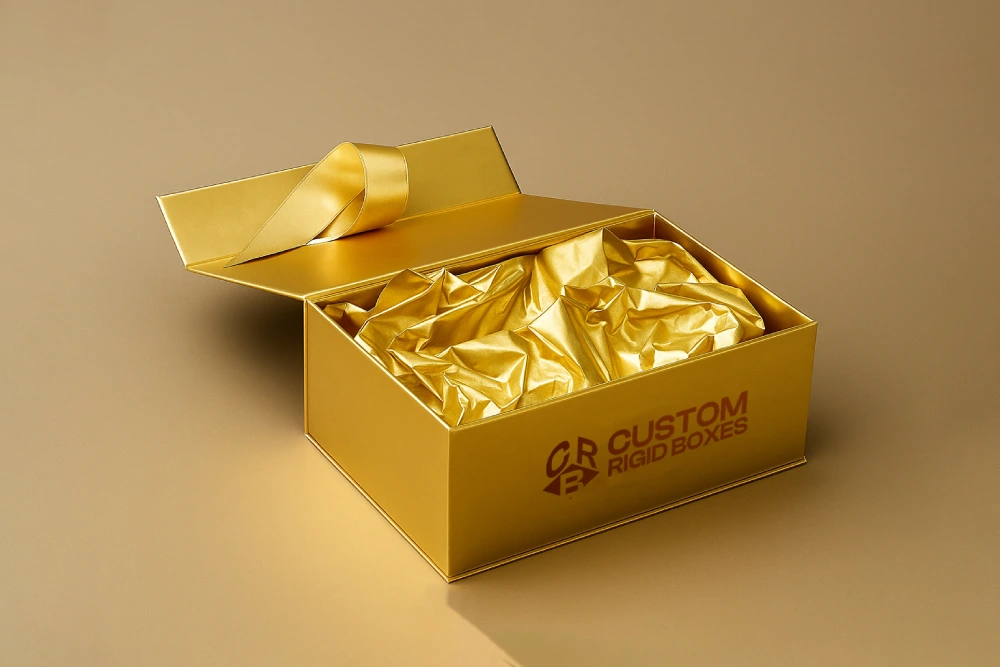
Metallic foil creates a shiny, metal-like finish, commonly in gold or silver. Plus, it provides barrier protection against light, oxygen, and moisture, making it ideal for food and beverage items.
Pigmented Foil
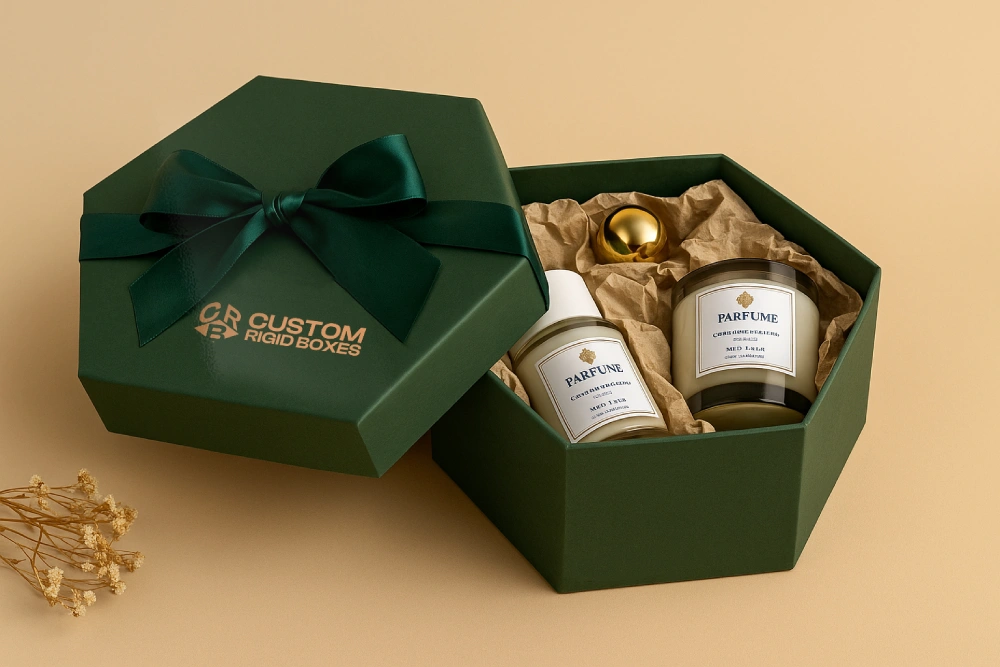
Available in various colors with matte or glossy finishes. Pigmented foil can deliver a high-value unboxing experience, ideal for gift sets, promotional kits, and subscription boxes.
Holographic Foil
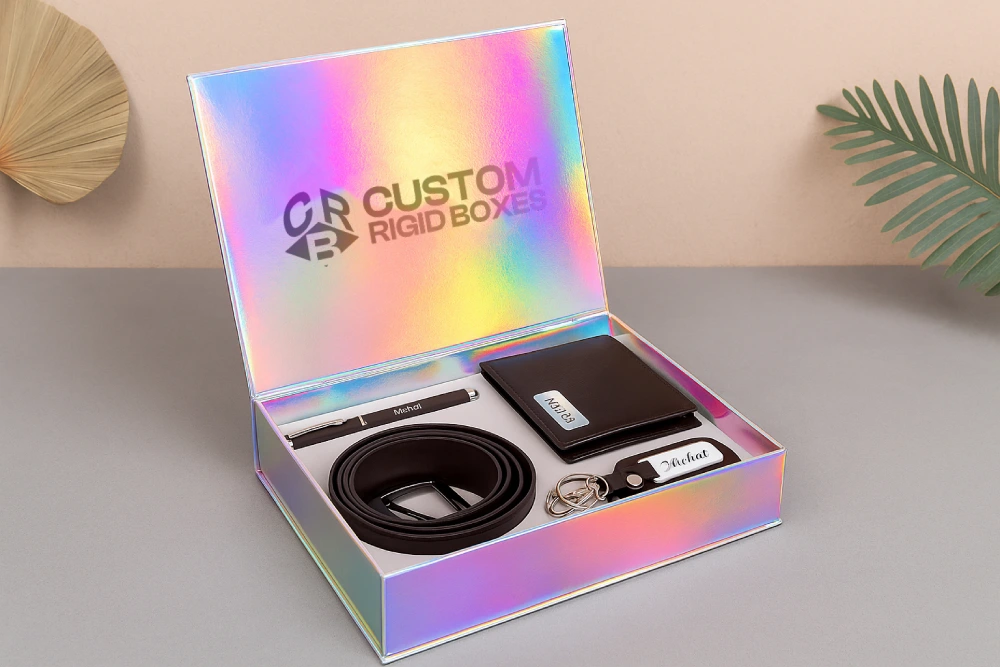
As the name suggests, holographic foil creates a 3D, rainbow effect that changes as the viewing angle shifts. It’s ideal for limited-edition products, seasonal launches, and gift sets to grab attention on the shelf.
Textured Foil
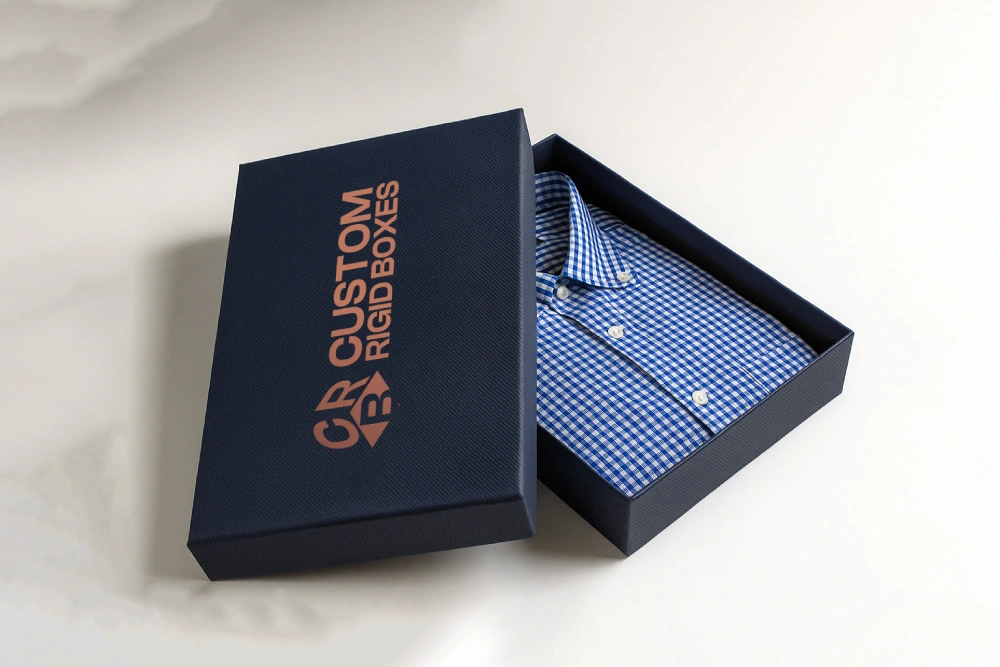
Represents various textures, such as a leather or wood-grain look. Moreover, textured foil adds visual depth and a sleek touch, perfect for apparel boxes or beauty packaging.
To make it easier for you, have a look at the comparison table below.
| Foil Types | Appearance | Color Range | Effect | Best Use |
| Metallic | A shiny, metal-like finish | Gold or silver | A classy look and barrier protection against light, oxygen, and moisture
| Food & beverage items |
| Pigmented | A solid, vibrant matte or glossy finish | Various colors | A high-value appearance | Gift sets, promotional kits, subscription boxes |
| Holographic | A 3D, rainbow effect | Various base colors | A vibrant, eye-catching, and modern effect | Limited-edition products, seasonal launches, gift sets |
| Textured | A leather or wood-grain look | Various colors | A visual depth and a sleek touch | Apparel boxes, beauty packaging |
What Are the Benefits of Hot Foiling?
Nevertheless, what makes businesses choose hot foiling for their custom boxes?
As a final touch, foil stamping offers tremendous benefits that any business cannot ignore.
Here’s the list of benefits you can expect.
A Unique Appearance
Hiot stamping adds brilliance and luxury, especially with gold or silver foil finishes. The technique ensures your product packaging stands out and delivers a memorable unboxing experience.
Flexibility
Foil stamping isn’t limited to metallic lettering. Instead, you can apply it to a variety of designs and effects. Yes, you can pair it with embossing, debossing, or UV coating to achieve your desired look.
Durability
Hot foil stamping is resistant to moisture and scratches. The technique also provides excellent durability and wear resistance, making it a long-lasting finish.
Aesthetics
Whether you prefer a bright, eye-catching glossy or a subtle matte finish, foil stamping can adapt to your style and branding needs.
Final Thoughts
Undoubtedly, businesses across industries choose hot foiling for valid reasons. It’s a premium printing technique that applies a thin layer of metallic or pigmented foil onto printed materials using heat, pressure, and a custom metal die. The entire process creates a shiny, elegant, and durable design that adds a high-end feel to printed materials.
Applying hot foil to packaging boxes can add a shiny, premium finish to your business logo, text, or patterns.
As a final touch, foil stamping offers tremendous benefits that any business cannot ignore, including a unique appearance, flexibility, durability, and aesthetics. Hence, it’s a go-to choice for making your custom boxes look luxurious.
FAQs
What is hot foiling?
Hot foiling is a premium printing technique that applies a thin layer of metallic or pigmented foil onto printed materials using heat, pressure, and a custom metal die.
Why choose hot foil for custom boxes?
Applying hot foil to packaging boxes can add a shiny, premium finish to your business logo, text, or patterns.
How many types of foils are available?
The types of foils you can choose include metallic, pigmented, holographic, and textured.
What are the benefits of hot foiling?
Foil stamping offers tremendous benefits, including a unique appearance, flexibility, durability, and aesthetics.