Product packaging acts as a silent ambassador for every brand. Well, packaging comes in various types, each with its unique functionality and characteristics.
Rigid and corrugated boxes are the two preferred options across industries. Both options are durable, functional, and customizable. All you need to do is consider your product’s specifications and packaging purposes, right? So, how about knowing the differences between the two first? Let’s dive in.
What Are Rigid Boxes?
Have you ever seen a product packed in a thick, sleek-textured box? That’s rigid box.
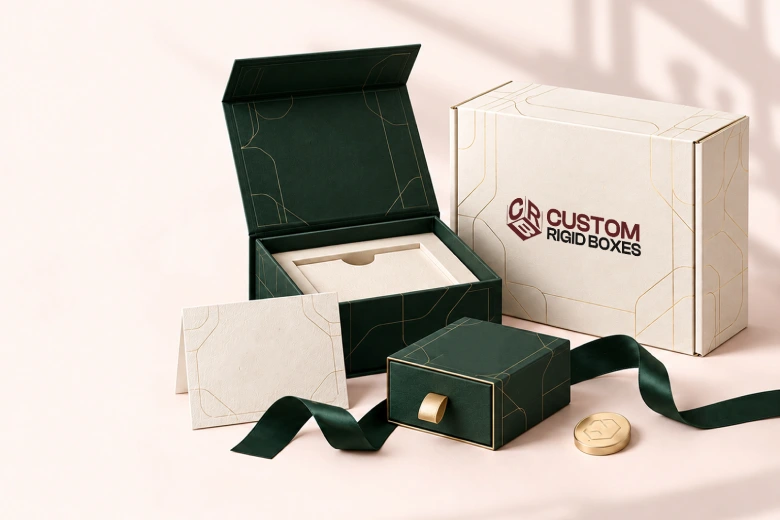
Rigid boxes, also known as setup boxes, are made from thick, durable materials (Kraft, chipboard, duplex cardboard) that do not fold easily. Instead, they are preassembled and retain their shape.
For many brands, using these boxes means a lot. Why? Because the boxes focus on high-end presentation, excellent durability, and a memorable unboxing experience.
In essence, luxury rigid boxes are often associated with high-value products due to their sturdy construction and aesthetic appeal. They don’t require assembly, saving time during packing while maintaining an elegant, gift-ready feel. The best part? Their solid structure provides excellent protection for delicate or fragile products.
What Are Corrugated Boxes?
Corrugated boxes are the heavy-duty option in the packaging world. They’re made of corrugated fiberboard, with a fluted inner layer sandwiched between two flat liners. These boxes are lightweight yet highly durable.
But wait, what is a flute?
A flute is the wavy layer you’ll see on a corrugated surface. This arch of paper is sandwiched between two flat linerboards in a corrugated board. The purpose? To provide essential cushioning, rigidity, and stacking strength to protect products during shipping and storage.
Corrugated is not only durable but can be constructed to different strengths based on the flute type and number of layers.
Rigid Boxes vs Corrugated Boxes
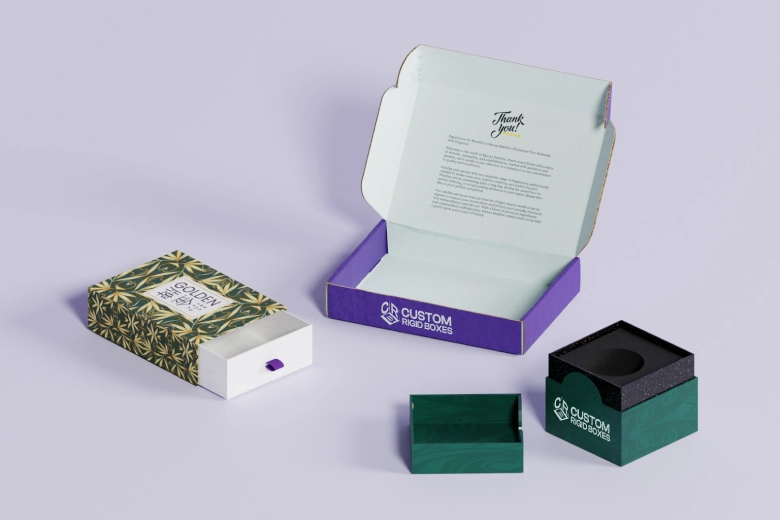
Now, what’s the main difference between rigid and corrugated boxes?
Rigid box packaging doesn’t fold flat. Therefore, it provides excellent crush resistance and a premium feel. Meanwhile, a corrugated box is lightweight, foldable, and ideal for logistics.
What Are the Advantages of Rigid Boxes?
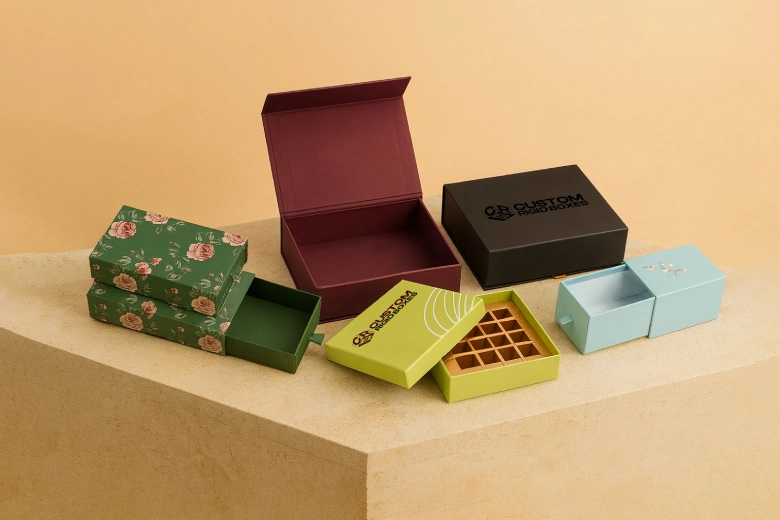
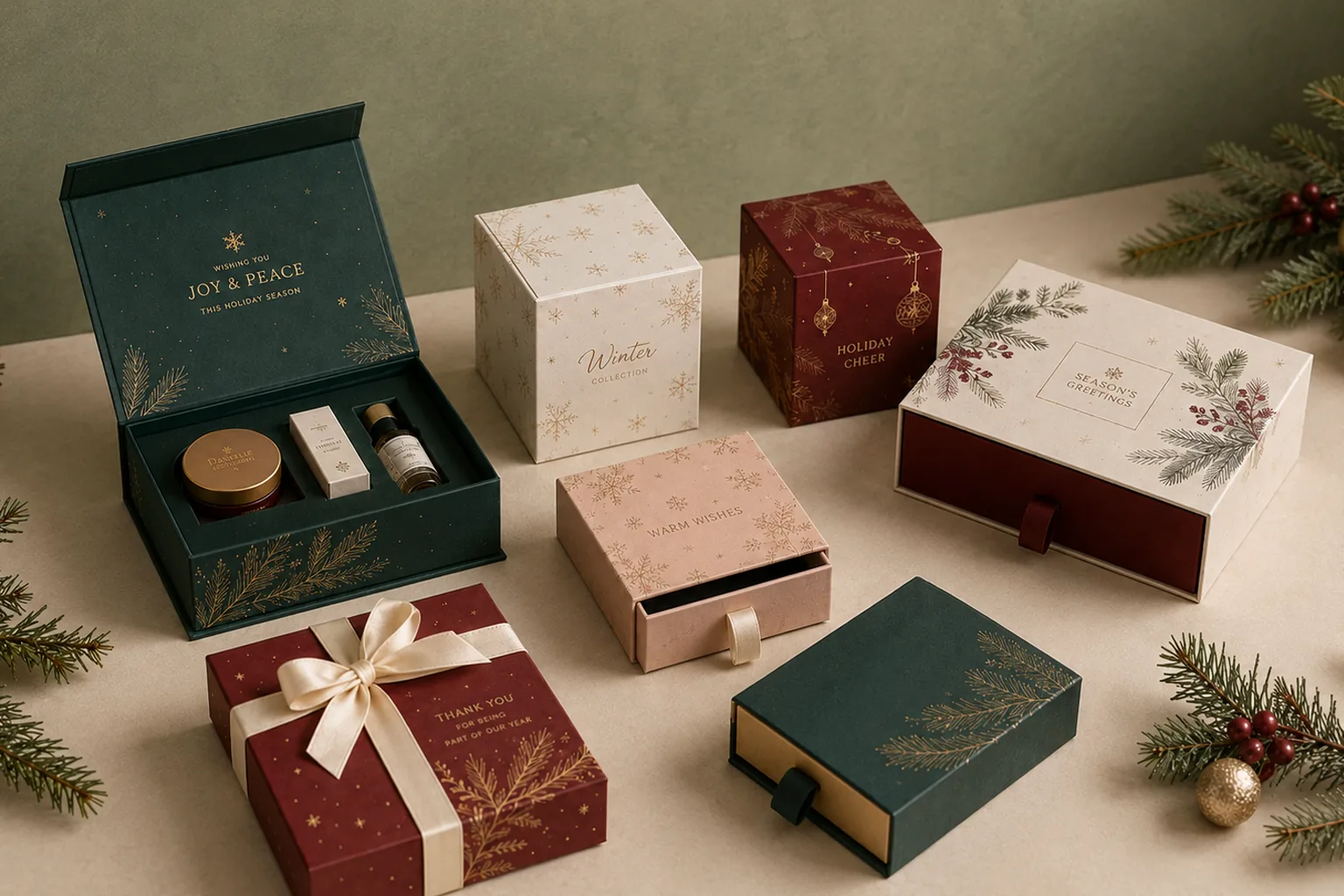
As mentioned above, these premium boxes are highly customizable for branding. In addition, rigid packaging boxes are reusable, encouraging customers to keep them as keepsakes. All the reasons to make luxury brands use rigid boxes.
But that’s not all.
Rigid boxes offer tremendous benefits for your business.
What are they?
Excellent Product Protection
Their sturdy, non-collapsible structure protects delicate products from impacts and damage during transit, reducing returns. So, if you’re searching for durable electronics packaging or protective cosmetic boxes, rigid box packaging is your best choice.
Upscale Product Presentation
These boxes provide an upscale look and feel, making products seem more valuable. By customizing the boxes, you can turn them into fashionable apparel packaging boxes or exclusive presentation boxes that create a memorable unboxing experience.
Better Branding Performance
Extensive customization options (printing, finishing, unique shapes) allow brands to tell their unique stories. This will eventually strengthen their image in customers’ eyes.
Level Up Product’s Perceived Value
High-quality rigid boxes translate to a high-quality product in customers’ minds. In addition, there are various, unique box styles to choose from. Whether it’s a clamshell box, magnetic flip-top packaging, or a telescopic box style, each option delivers excellent value for your product.
As a result? These boxes will surely drive customers to purchase and keep them coming back.
Build Brand Loyalty
Imagine delivering gift products in classy, two-piece rigid packaging boxes. The box’s durability and appealing design will surely encourage customers to keep it for storage or other purposes. Eventually, this reusability feature extends brand exposure and fosters loyalty.
Think of Louis Vuitton’s packaging, or Rolex’s packaging, for example. These famous names know perfectly how to turn their packaging into a powerful tool that builds brand loyalty. Embossed brand logos, signature designs, and of course, premium rigid stock—all add to make customers feel special and love to purchase their products.
Eco-Friendly Potential
The materials used to produce rigid boxes are recyclable. And as we said, these boxes are reusable. This means your business can minimize packaging waste and align with sustainability goals.
Custom Rigid Boxes: Best Uses
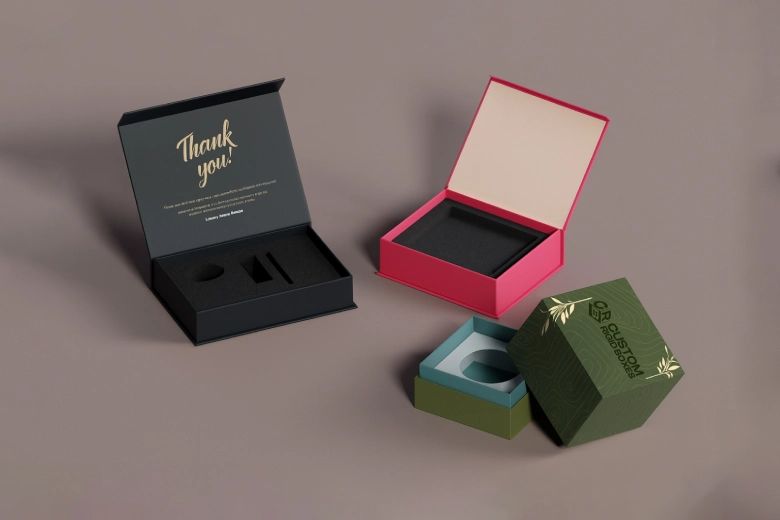
Customized rigid boxes mean you can customize them to fit your products.
Here are the various products that look good in rigid packaging boxes.
- Gourmet Foods & Bakeries: Chocolate boxes, gourmet food packaging.
- Cosmetics & Beauty Products: Cosmetic packaging, skincare sets, luxury perfume boxes.
- Luxury Goods (Jewelry & High-End Electronics): Watch boxes, high-end electronic packaging, exclusive jewelry boxes.
- Promotional Kits & Gift Sets: Lovely gift boxes, subscription packaging boxes.
What Are the Advantages of Corrugated Boxes?
Corrugated boxes are a popular choice in logistics, storage, and retail settings. But what are the advantages of choosing them?
- Protection & Strength: The fluted inner layer acts as a shock-absorbing cushion, protecting products from impacts and pressure.
- Lightweight: Their lightweight design reduces shipping costs and makes corrugated boxes easier to handle.
- Easy Handling: Simple to assemble, stack, and store.
- Cost-Effective: Economical to produce and use.
- Eco-Friendly: Made from recyclable materials, these boxes appeal to environmentally conscious customers.
Corrugated Boxes: Best Uses
Corrugated boxes perform better than standard packaging in many ways, including:
- Retail packaging for branding and product presentation.
- E-commerce shipping for all product types.
- Storage and inventory management (with barcodes/labeling).
What Customization Options Are Best for Rigid vs Corrugated Boxes?
Both are customizable, right? But which customization options are best for rigid boxes, and which for corrugated boxes?
Well, there are no different options; both can be customized in size, shape, style, and printing.
Plus, rigid and corrugated boxes are highly flexible and offer excellent finishes, including foil stamping, embossing/debossing, spot UV, and matte/gloss lamination.
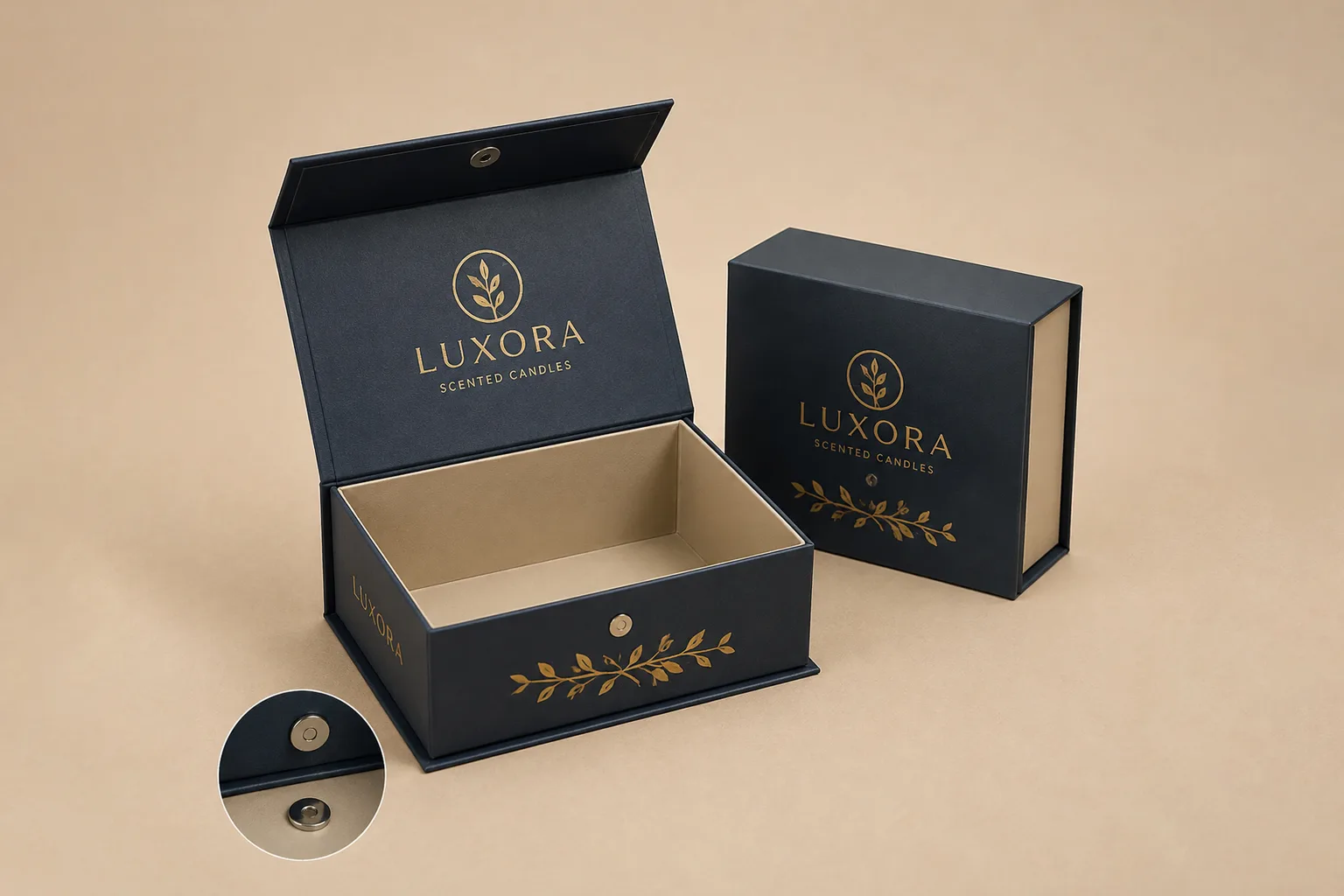
However, speaking of premium rigid packaging boxes, there are some lovely add-ons you can choose, such as magnetic closures, ribbon pulls, and custom-fit inserts (EVA foam, cardboard) for high-value products.
So, How to Choose the Right Packaging Boxes?
Alright, here’s the challenging part: how to choose the right packaging for your business?
When choosing between rigid and corrugated boxes, you should consider essential factors, such as:
Product Presentation
Is your product heavy, fragile, or high-value? Both rigid and corrugated boxes are ideal for packing various types of products. But then again, you should think about how you want to present your products.
Here’s the scoop.
A rigid box is designed to elevate the product’s perceived value and brand image with a sleek texture, special effects, and solid construction.
On the other hand, a corrugated box optimizes for cost, protection, and shipping efficiency, with strategic design and printing for branding.
Functionality
If you need durable packaging for shipping, corrugated boxes excel. However, if you’re looking for packaging that delivers a luxurious unboxing experience, rigid boxes are ideal.
Branding Needs
Rigid boxes are unmatched for luxury and high-end branding. For practical, cost-effective designs, opt for corrugated boxes.
Still confused which one to choose?
Here’s a comparison table for a quick guide.
| Feature | Rigid Boxes | Corrugated Boxes |
| Materials | Kraft, chipboard, duplex cardboard | Corrugated fiberboard |
| Appearance | Sleek and luxurious; ideal for high-end branding | Functional and simple; good for less intricate design |
| Durability | Very sturdy, excellent product protection | Excellent shock absorption (flutes) and cushioning for shipping |
| Functionality | Unboxing experience, presentation, reusability | Retail display, shipping, bulk transport |
| Sustainability | Recyclable & reusable | Recyclable & eco-friendly |
| Best for |
|
|
Final Thoughts
No doubt, rigid boxes and corrugated boxes are the two preferred options across industries. Both are durable, functional, and customizable.
In essence, rigid boxes are often associated with high-value products due to their sturdy construction and aesthetic appeal. Meanwhile, corrugated boxes are the heavy-duty option in the packaging world. Both types of boxes can be customized in size, shape, style, and printing.
When choosing between rigid and corrugated boxes, you should consider essential factors, such as product presentation, functionality, and branding needs.
So, which one does your business need?
FAQs
What are rigid boxes?
Rigid boxes, also known as setup boxes, are made from thick, durable materials (Kraft, chipboard, duplex cardboard). They are often associated with high-value products due to their sturdy construction and aesthetic appeal.
What are corrugated boxes?
Corrugated boxes are the heavy-duty option in the packaging world. They’re lightweight yet highly durable for logistics, retail display, and shipping.
What is the main difference between rigid and corrugated boxes?
Rigid box packaging doesn’t fold flat. Therefore, it provides excellent crush resistance and a premium feel. Meanwhile, a corrugated box is lightweight, foldable, and ideal for logistics.
What are the advantages of rigid boxes?
Personalized rigid boxes offer tremendous benefits, including excellent product protection, upscale product presentation, better branding performance, level up product’s perceived value, build brand loyalty, and eco-friendly potential.