
When it comes to product presentation, the packaging you use matters. However, when it comes to style, the printing technique you choose is essential. Lamination for packaging offers both product protection and stylish presentation. What is lamination, how does it work, and how can it enhance product protection in style? Let’s explore different types of lamination and how well they suit your product packaging!
What Is Lamination?
Lamination is a process of applying a protective film or layer to paper or flexible materials in printing and packaging. The main purpose of lamination is to protect its contents and enhance their visual appeal through finishes such as glossy or matte. It involves bonding multiple layers together, often with an adhesive. The entire process shields printed surfaces from scratches, moisture, UV light, and general wear and tear.
This finishing technique is popular on product packaging, book covers, business cards, and brochures.
What Is Lamination in Packaging?
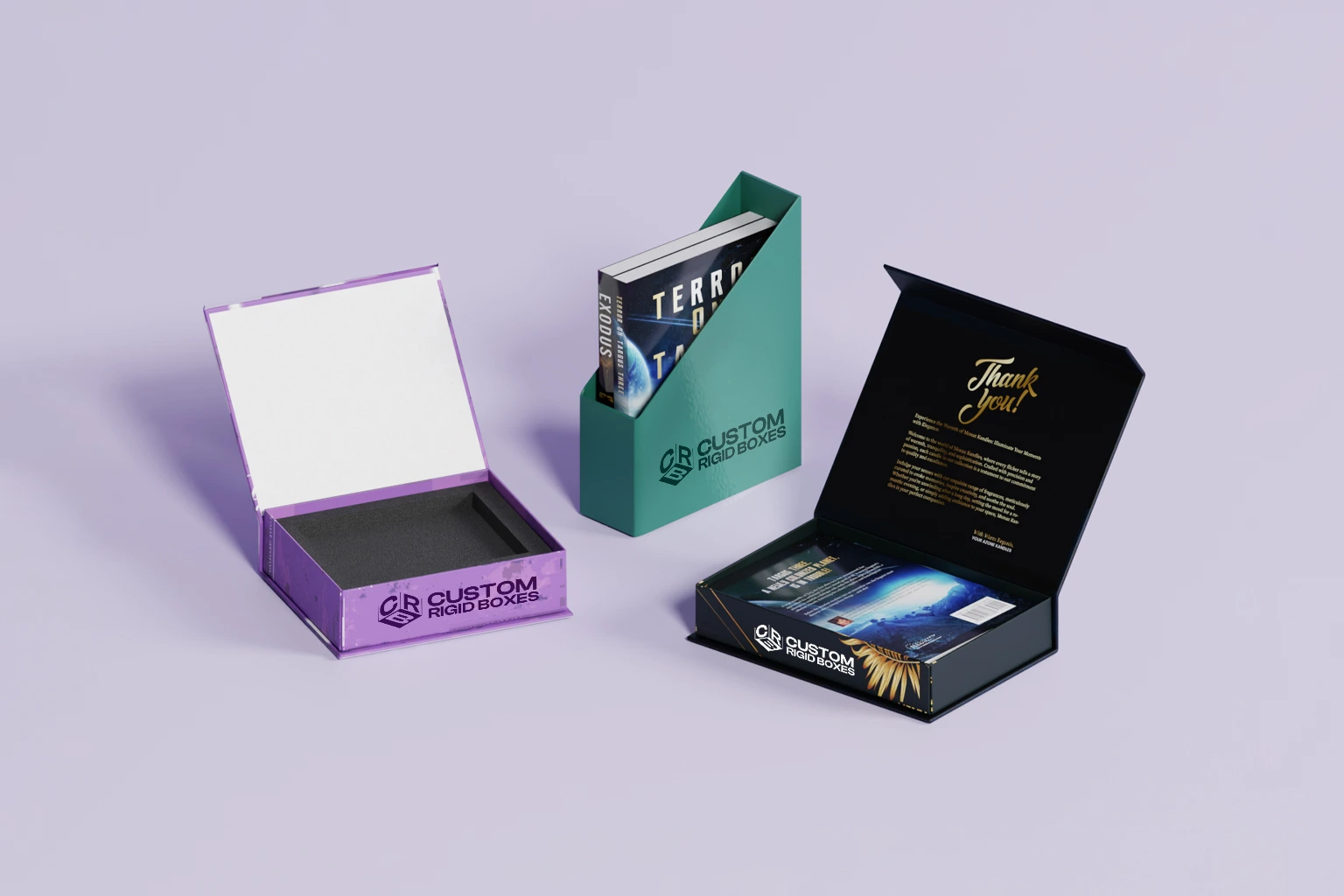
When used in printed rigid boxes, the lamination method enhances the clarity and eye-catching appeal of design and business logos.
How Does Lamination Work?
The entire lamination process consists of several steps.
Let’s break it down.
- Material bonding: Bonding different layers of materials, such as films, paper, and aluminum foil, using adhesives.
- Process: Applying the adhesive to one substrate, then pressing it together with another material under heat and pressure.
- Finishes: After the lamination is applied, different finishes like glossy, matte, or soft-touch can be achieved:
- UV-cured: In some cases, a UV-curable coating is applied and hardened with UV light.
Overall, the laminating process shields the printed surface from scratches, moisture, UV light, and general wear & tear.
What Are the Types of Lamination?
For the most part, laminations offer a variety of aesthetic options, especially when applied to custom rigid boxes. In addition, laminations can also enhance structural integrity and functionalities, such as safe food contact or heat resistance.
Below are popular lamination types you can choose from.
Gloss Lamination
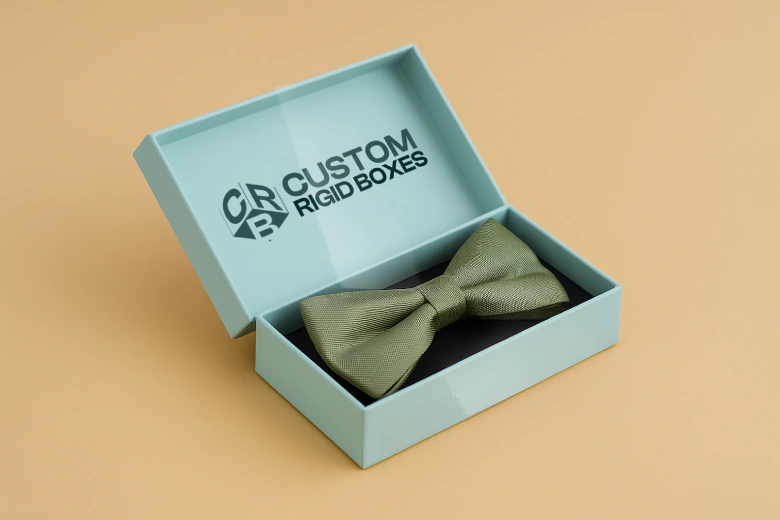
As the name suggests, gloss lamination makes your packaging look shiny. Gloss lamination is a technique in which a transparent plastic film is applied to packaging to create a glossy, reflective, smooth finish. Moreover, it provides a protective barrier against moisture, smudges, and scuffs. This finish enhances colors, increasing visual impact, perfect for cosmetic or apparel boxes.
Matte Lamination
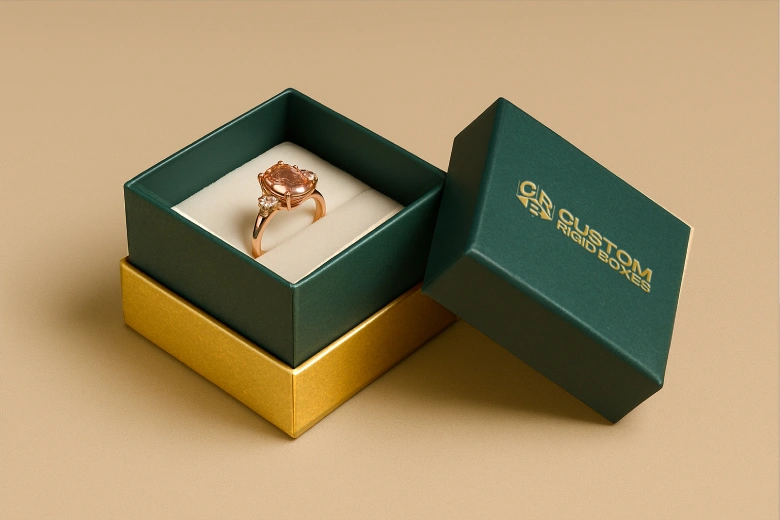
Unlike gloss lamination, the coating layer in matte lamination is far less reflective. This lamination type is ideal for a refined appearance. In addition, applying this lamination makes your packaging boxes feel “softer” and more aesthetically pleasing to the touch.
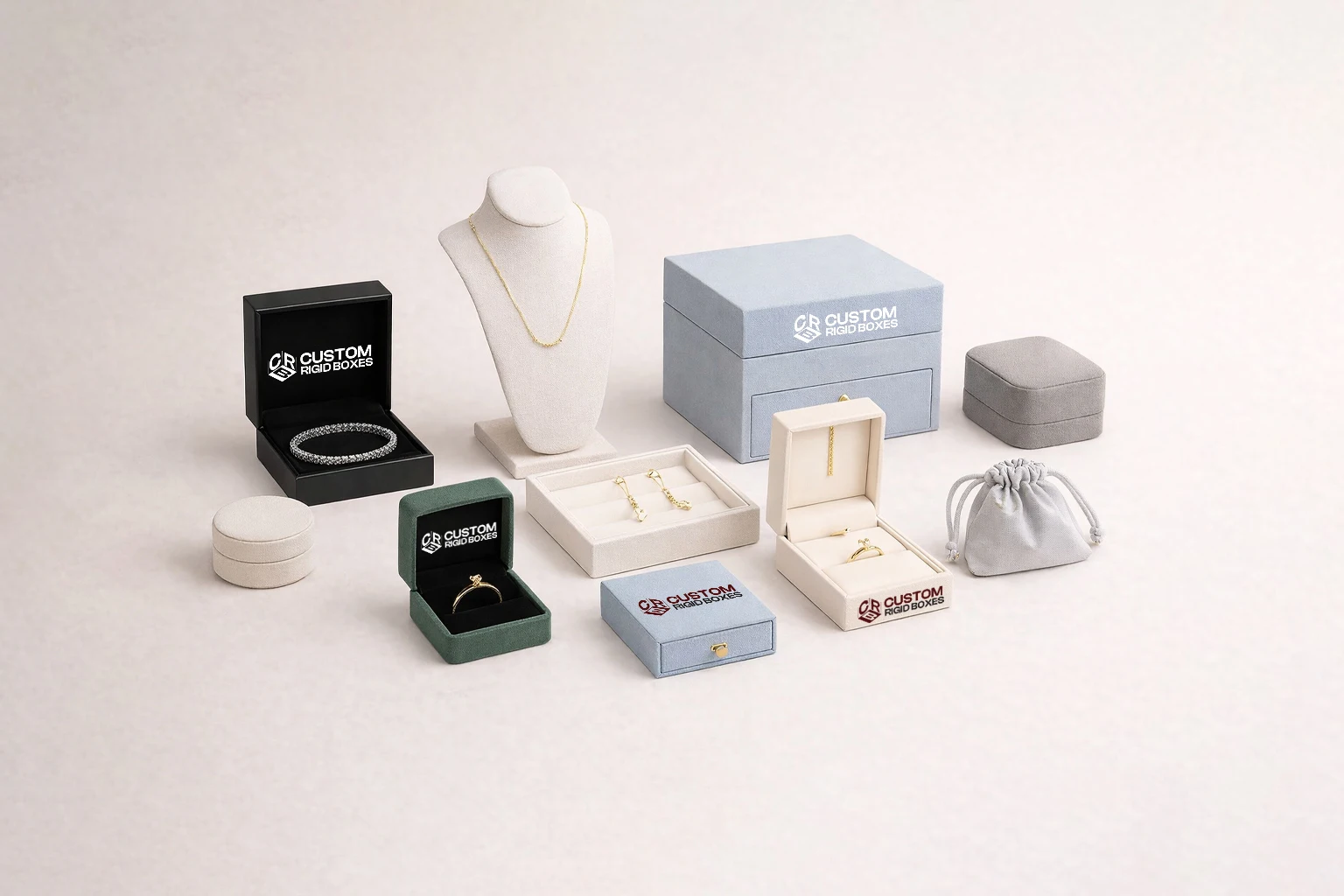
Matte lamination is perfect for a subtle, beautiful design. Plus, it provides a soft contrast on darker colors, resulting in a softer visual impact. Hence, matte lamination is your best option for packaging that requires an elegant presentation, such as jewelry boxes.
Soft-Touch Lamination
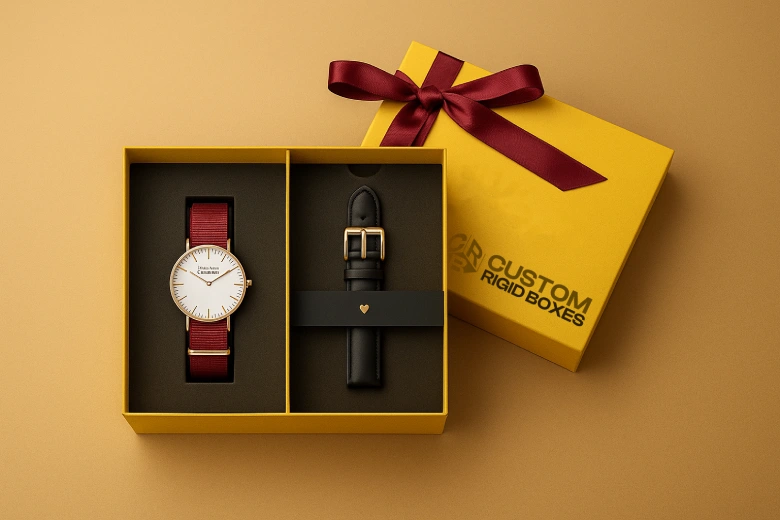
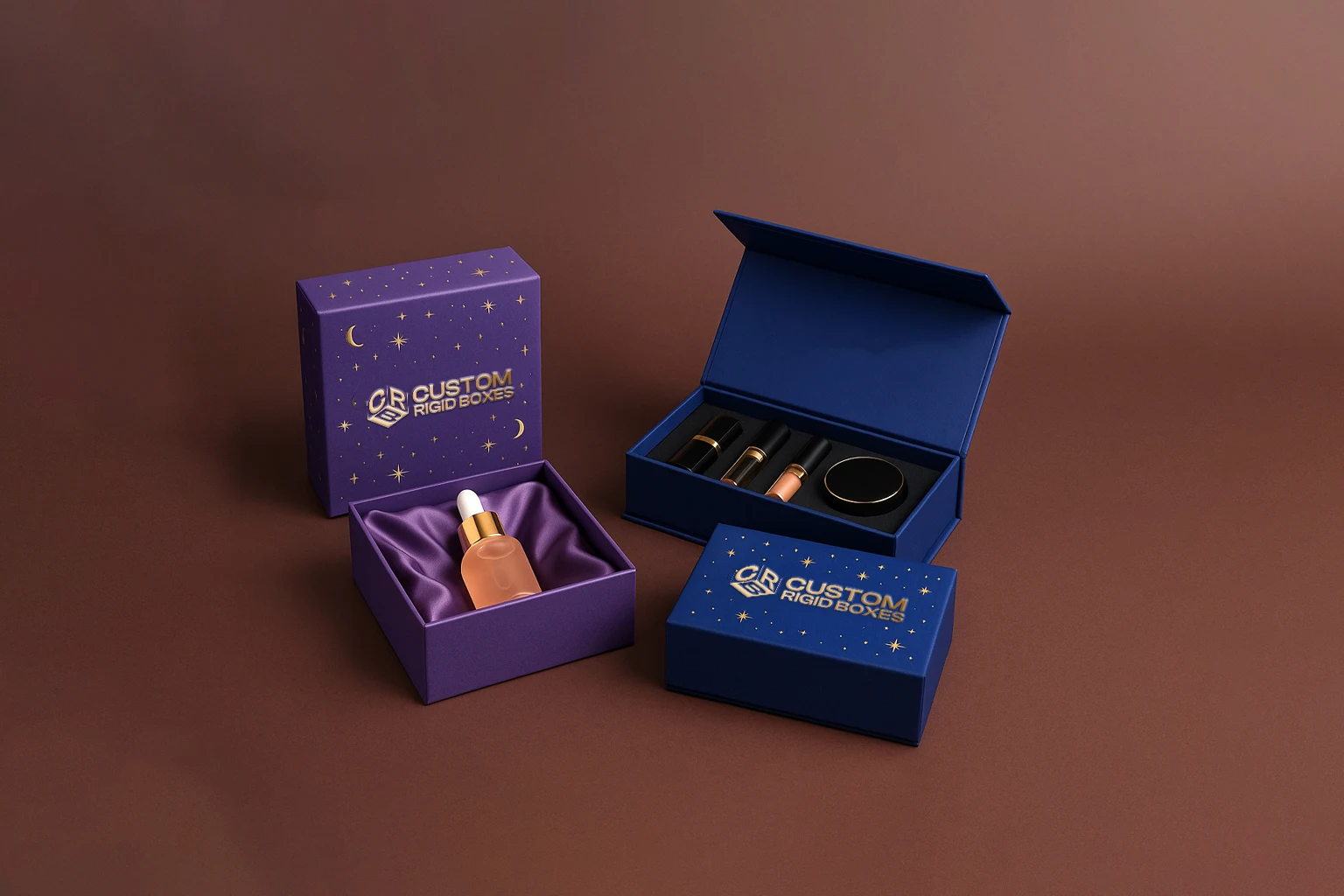
Soft-touch lamination involves applying a thin, matte plastic film to packaging to give it a soft, velvety, and luxurious feel. This process provides a durable, scuff- and moisture-resistant layer that protects your product, enhances its perceived value, and adds a high-end aesthetic.
The soft-to-the-touch texture makes this lamination type perfect for upscale product packaging or beautiful gift boxes.
Silk Lamination
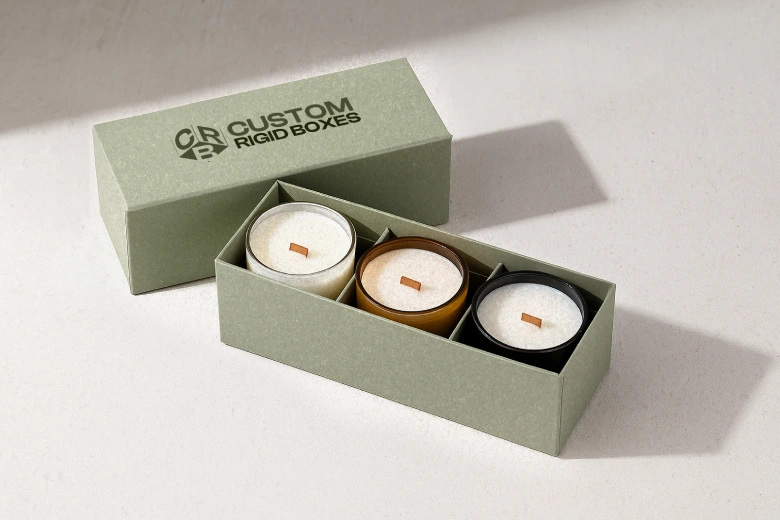
The silk lamination offers a “silk-like” feel. It isn’t actually as “velvety” as a soft touch. Instead, this technique results in a look between matte and soft-touch lamination.
Simply put, if you’re looking for a bit of luxury on a small budget, silk lamination is a fantastic compromise. This type is ideal for a wide range of printed boxes, from candle boxes and food packaging to PR packages.
Holographic Lamination
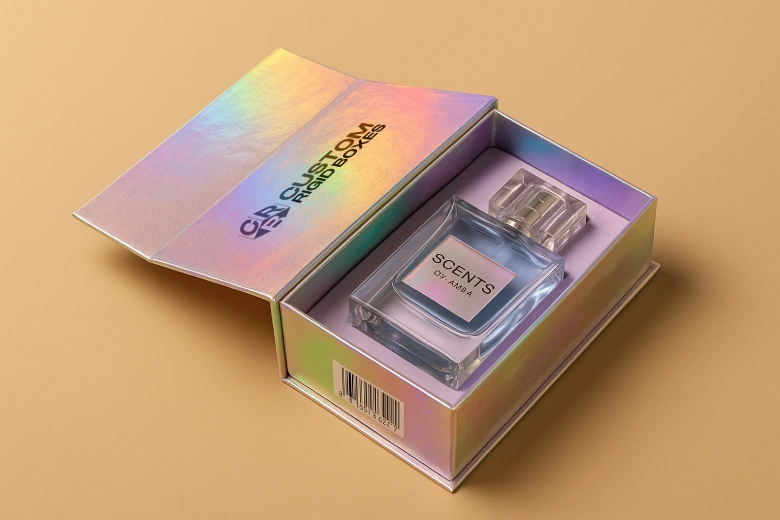
Holographic laminates are often made with PET film, but a holographic look can also be achieved with cold or hot foiling.
The rainbow, shimmering, iridescent effect of this lamination type makes your products look more premium, an excellent option for perfume boxes or electronic packaging.
Have a look at the comparison table below to make it easier.
| Lamination Type | Appearance | Best for |
| Gloss | Shiny, reflective, smooth finish | Cosmetic or apparel boxes |
| Matte | Refined, soft appearance | Jewelry boxes |
| Soft-Touch | Sophisticated, high-end aesthetic | Upscale product packaging, gift boxes |
| Silk | Velvety, silk-like feel | Candle boxes, food packaging, PR packages |
| Holographic | Rainbow, shimmering, iridescent look | Perfume boxes, electronic packaging |
What Type of Lamination Is Best for Custom Boxes?
Each lamination gives you more control over the packaging’s appearance, texture, and color. Hence, when choosing the best type of lamination for custom boxes, it depends on the result you want to achieve.
For example, gloss lamination makes vibrant, eye-catching designs. On the other hand, matte or soft-touch lamination is better for a sophisticated, high-end look.
To choose the right lamination type for your packaging boxes, consider the factors below.
- Your Brand Image
You know your brand image more than anyone else. Does it convey luxury, excitement, or an elegant image?
- Your Product Type
Your product’s value should be conveyed before customers even open the box. For high-end products, a soft-touch finish can deliver a luxurious look and feel. Meanwhile, for practical products, matte or gloss lamination is the right one.
- Your Packaging Design
Gloss lamination suits image-heavy designs. Meanwhile, matte works well with soft color palettes and allows for contrast with other finishes, such as Spot UV.
What Are the Benefits of Lamination in Packaging?
Applying the lamination technique to your product packaging offers tremendous benefits for your products and business.
Here’s the list of promising benefits you can expect.
Superior Protection and Durability
Lamination creates a strong barrier that protects your products from oxygen, moisture, grease, and dirt. Even better, it shields your boxes from environmental damage like UV lights, extending product shelf life over long transport distances.
Visual and Tactile Appeal
All types of lamination can enhance print quality, resulting in more vibrant colors and a more professional look. Moreover, there’s a wide range of finishes, such as aqueous coating, that can be applied to create different visual and tactile experiences that appeal to customers.
Anti-Counterfeiting
Specialty laminations, like holographic options, can provide a strong barrier against counterfeit products.
Cost Efficiency
While there is an initial cost, lamination can lower overall expenses by enabling the use of thinner materials. This way, the technique maintains durability, reduces the need for additional protective packaging, and extends shelf life, preventing product waste.
Ultimately, by protecting your packaging from damage, lamination reduces the need for reprinting, conserves resources, and saves time.
Final Thoughts
Indeed, lamination offers both product protection and stylish presentation. This finishing technique is popular on product packaging, book covers, business cards, and brochures. The main purpose of lamination is to protect its contents and enhance their visual appeal through finishes such as glossy or matte.
Despite the different lamination types, choosing the right one for your packaging boxes depends on your brand image, your product type, and your packaging design.
Overall, the lamination technique offers promising benefits, including superior protection, visual & tactile appeal, and cost efficiency. Thus, it’s worth considering.
FAQs
What is lamination?
Lamination is a process of applying a protective film or layer to paper or flexible materials in printing and packaging to enhance durability and appearance.
What is lamination in packaging?
When used in custom packaging boxes, the lamination method enhances the clarity and eye-catching appeal of printing and business logos.
What are the types of lamination?
Different types of lamination include gloss, matte, soft-touch, silk, and holographic options.
What are the benefits of lamination?
The lamination technique offers promising benefits, including superior protection, visual & tactile appeal, and cost efficiency.