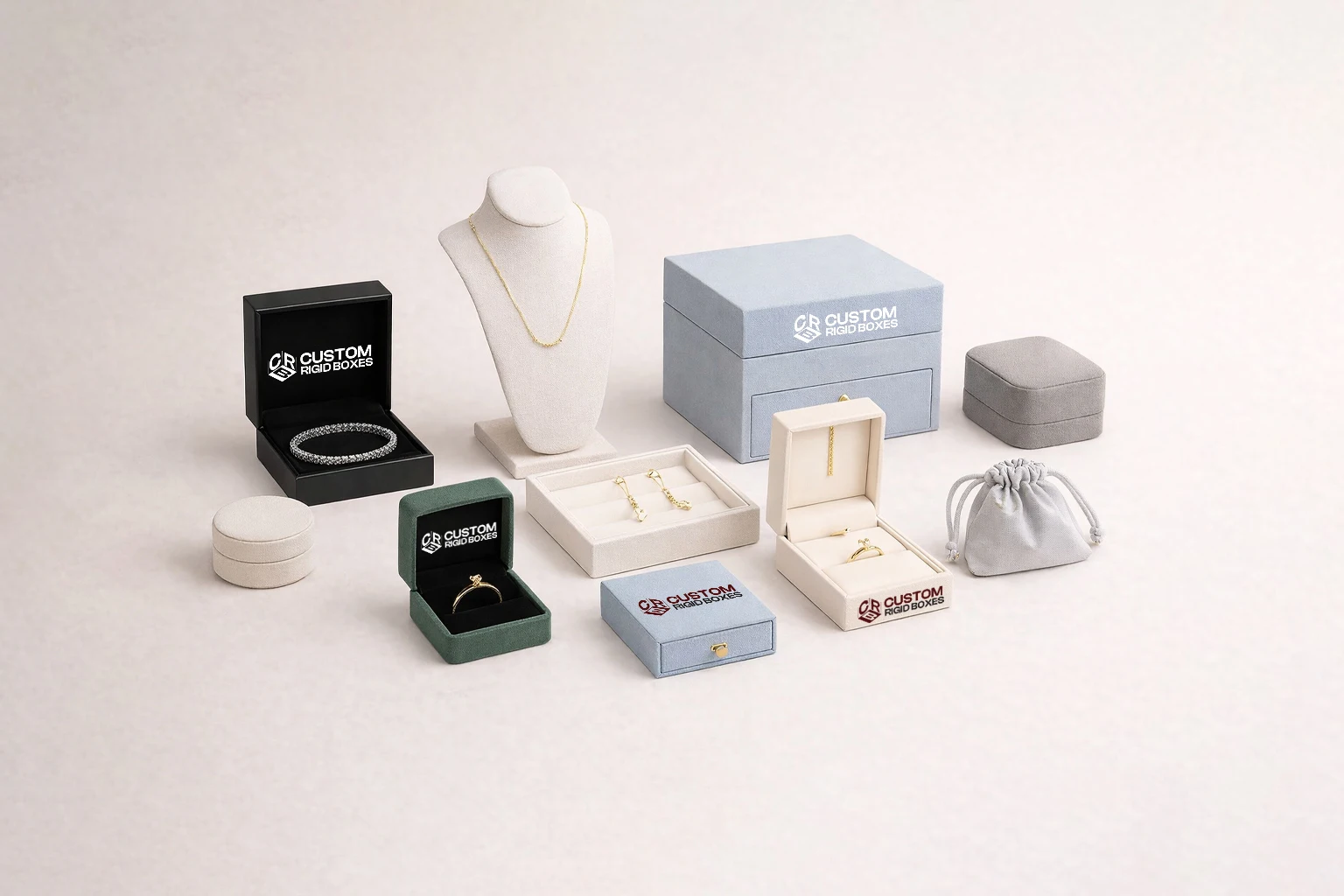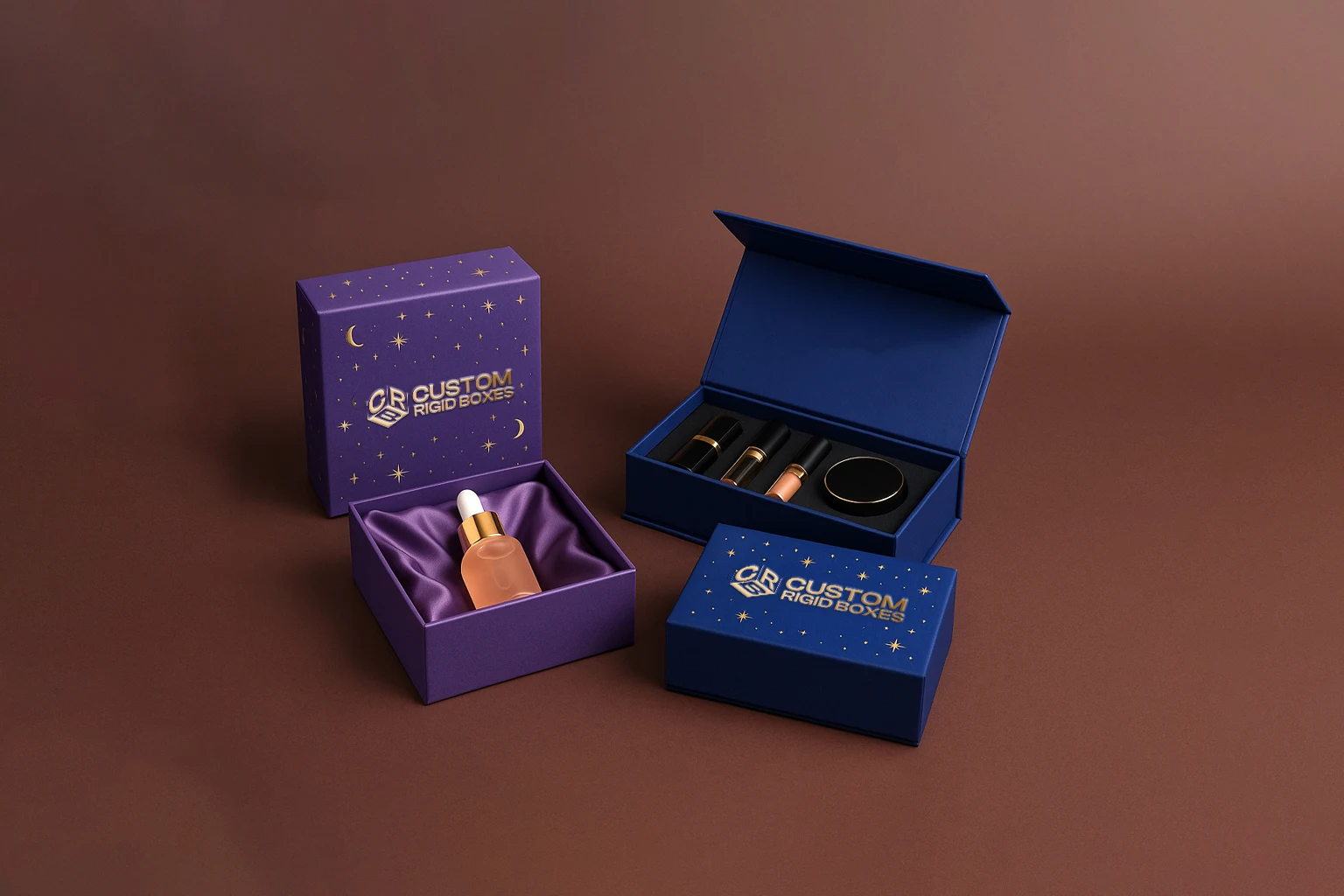

Yes, rigid boxes are generally more expensive than regular packaging box options. However, these boxes offer unmatched durability and brand value. As a business owner, you might wonder: Are rigid boxes worth the higher price tag compared to regular boxes?
In this blog, we will explore the cost, values, and smart ways to save on the cost of a rigid box.
What Does Rigid Box Packaging Cost?
Also known as setup boxes, rigid boxes are preferable for luxury products. The cost varies depending on size, design, and quantity.
A Basic Cost Breakdown
On average, a standard rigid box can cost between $1.50 upto $5.00 per unit, but prices can go higher for custom designs with premium finishes.
Here’s a simple breakdown of what contributes to the box cost:
- Material quality: Premium rigid stock is made of chipboard and wrapping materials.
- Customization: Die-cutting, embossing, foil stamping, inserts, ribbons, magnetic lids, and more.
- Production complexity: Specialized machinery and skilled labor.
- Sustainability: Eco-friendly materials often cost more.
- Shipping and storage: Most rigid boxes don’t fold flat, increasing logistics costs.
All the factors above surely influence the cost you have to pay for a rigid box.
Why Are Rigid Boxes Expensive?
Almost $32 billion in product returns were recorded in online shipments, with 20% to 30% of these returns related to damage. Thanks to their durability, rigid boxes play a significant role in reducing your return shipment costs.
Hence, the best and most valid reason that makes a rigid box expensive is that it helps in reducing returns costs and damages, ultimately boosting your brand revenues.
Rigid Boxes vs Regular Boxes: A Quick Comparison
Why should your business invest in rigid boxes if they are expensive? Can’t you just opt for regular boxes?
Well, to help you get the answers to those questions, let’s know the difference between the two!
Material & Structural Integrity
First, starting from the material. A rigid box can be made three to four times thicker than a regular box. Yes, it is made using thick chipboard that’s around 2 to 3 millimeters thick. This chipboard is then wrapped with printed or textured paper. Moreover, most types of rigid boxes don’t collapse; they are designed to maintain their shape and make a memorable impression.
Regular boxes, on the other hand, are usually made from cardboard, paperboard, or corrugated. Thus, they can be folded, stacked, and sealed easily.
Durability
Shocks, pressure, moisture damage, and tearing are pressing issues when it comes to shipping. Let’s see how durable each box is.
The thickness of the chipboard makes a rigid box ideal for high-end products that shouldn’t get damaged during transit or display.
A regular box can be sturdy too, but it depends on its wall thickness (single, double, or triple). While standard boxes are suitable for general shipping, they may not be the best choice for fragile items without additional inserts.
Customization Options
Customization is the defining feature that sets rigid boxes apart from regular ones. Well-designed packaging is about personalization to match the customers’ taste and also the brand’s values. When it comes down to rigid boxes, customization options are limitless.
Here are some of them:
- You can add magnetic closures, ribbons, or handles to the boxes.
- A wide range of unique box styles, including magnetic flip top and two-piece designs.
- Various add-ons are available, including embossing, debossing, or varnish.
- The boxes are wrapped in textured paper or fabric.
But wait, this doesn’t mean regular boxes offer little to no customization. You can, of course, display visuals, artwork, branding details, and special coatings on it. The only trade-off is that standard boxes may not be the best option for evoking sensory or visual appeal. Instead, they are meant to deliver heavy products securely.
Visual Appearance
As we mentioned above, customized rigid boxes instantly give off a premium visual appearance, making the boxes one of the unique gift packaging ideas. This is why modern customers often associate them with luxury, craftsmanship, and attention to detail. That’s also the reason many businesses choose them.
Regular boxes can also look good, but they require more design effort to stand out. These boxes are more about function than form. We can mention purposes such as bulk shipments, standard retail shelves, or e-commerce packaging.
Check out the table below for a quick comparison to help you make the best decision!
| Feature | Rigid Boxes | Regular Boxes |
| Material | Made using thick chipboard | Made from cardboard, paperboard, or corrugated |
| Structural Integrity | Designed to maintain their shape | Can be folded, stacked, and sealed easily |
| Durability | Highly durable | Suitable for general shipping |
| Customization Options | Limitless | Limitless |
| Visual Appearance | A premium visual appearance | Require more design effort to stand out |
The Value of Custom Rigid Boxes
Although they may have a higher initial cost than other packaging types, custom rigid boxes provide significant value that your business should not overlook.
What are they?
- Durability: Rigid boxes are built to last, protecting products during shipping and storage.
- Brand Perception: Premium packaging boosts customer trust and perceived product value.
- Reusability: Many customers reuse printed rigid boxes, turning packaging into a long-term brand ambassador.
- Eco-Friendliness: With their reusability feature, these boxes are green initiatives and beneficial for the planet.
How to Save Rigid Box Cost?
If you’re excited to use rigid boxes but have a tight budget, there are some ways to save on the cost.
- Bulk Ordering
Ordering the boxes in bulk can lower the cost per unit. Plus, having them in large quantities can help your inventory and simplify your distribution process.
- Keep Your Design Simple
While it’s exciting to go all out, sometimes a minimalist packaging design can be cost-effective and elegant. A plain, matte-laminated box featuring your logo in a classy font in the top right corner could be all you need to create affordable luxury packaging.
- Review Reliable Suppliers
Shop around, as prices can vary significantly from one supplier to another. It doesn’t hurt to get a few quotes before making a decision. However, make sure you work with a reliable one like Custom Rigid Boxes to ensure the product quality and your desired result.
Summing Up
Yes, rigid boxes are generally more expensive than regular packaging box options. The primary reason a rigid box is costly is that it helps reduce returns costs and damages, ultimately boosting your brand revenues. Moreover, rigid boxes are different from regular boxes in terms of material, structural integrity, durability, customization options, and visual appearance.
Although they may have a higher initial cost than other packaging types, custom rigid boxes provide significant value, such as durability, brand perception, reusability, and eco-friendliness.
Nevertheless, if you’re excited to use rigid boxes but have a tight budget, there are several ways to reduce costs, including bulk ordering, simple design, and choosing a reliable supplier.
FAQs
Are rigid boxes expensive?
Yes, rigid boxes are generally more expensive than regular packaging box options. However, these boxes offer unmatched durability and brand value.
What does rigid box packaging cost?
On average, a standard rigid box can cost between $1.50 upto $5.00 per unit, but prices can go higher for custom designs with premium finishes.
Why are custom rigid boxes expensive?
The primary reason a rigid box is expensive is that it helps reduce returns costs and damages, ultimately boosting your brand revenues.
How to save the cost of a rigid box?
There are several ways to reduce costs, including bulk ordering, simple design, and choosing a reliable supplier.