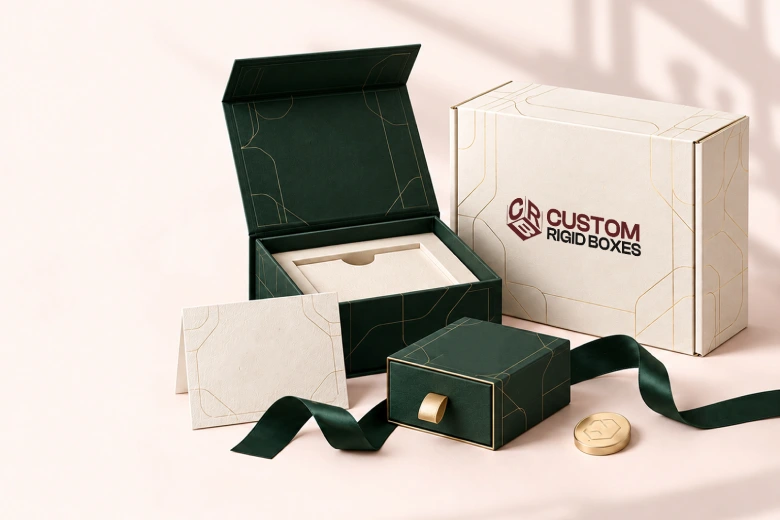
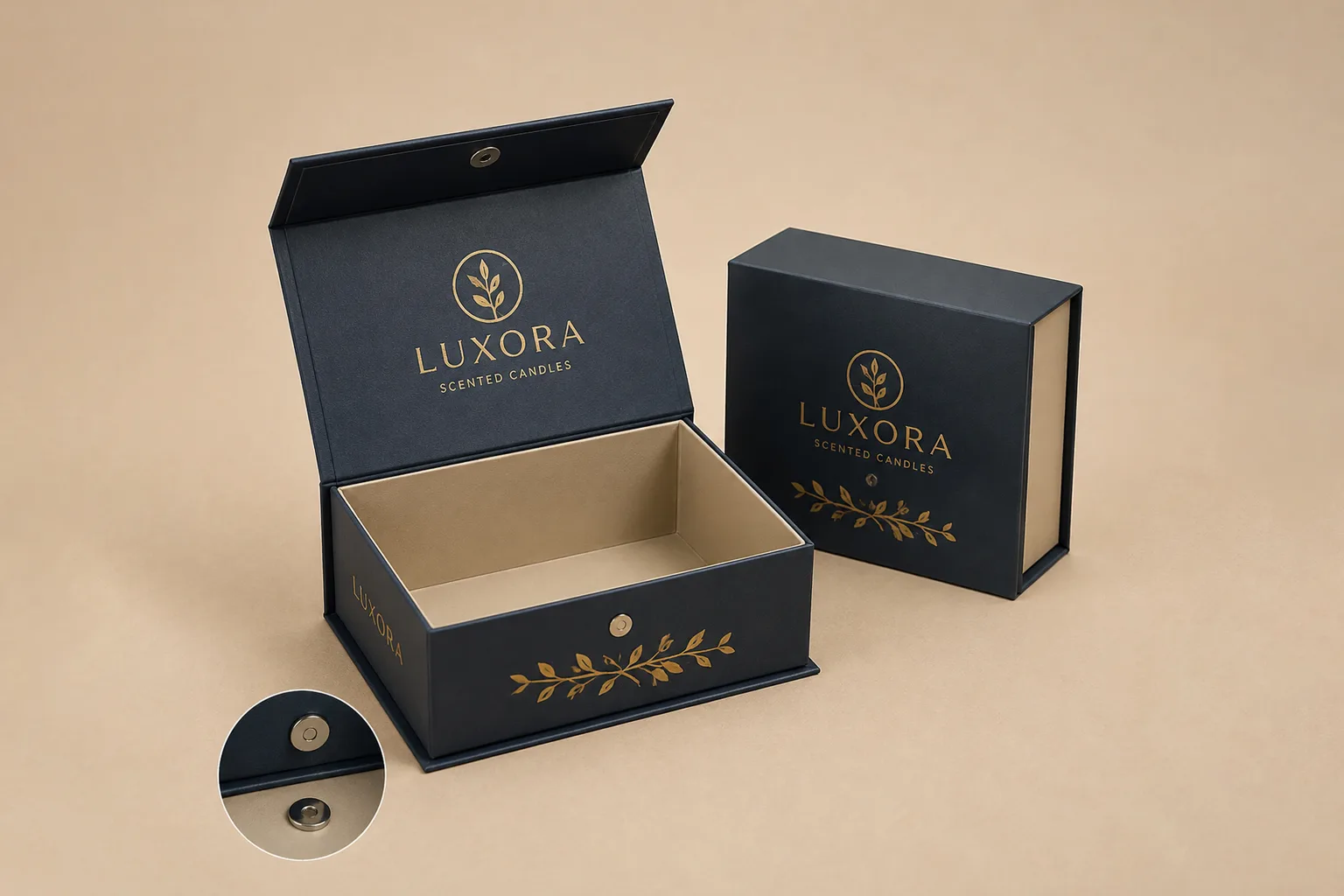
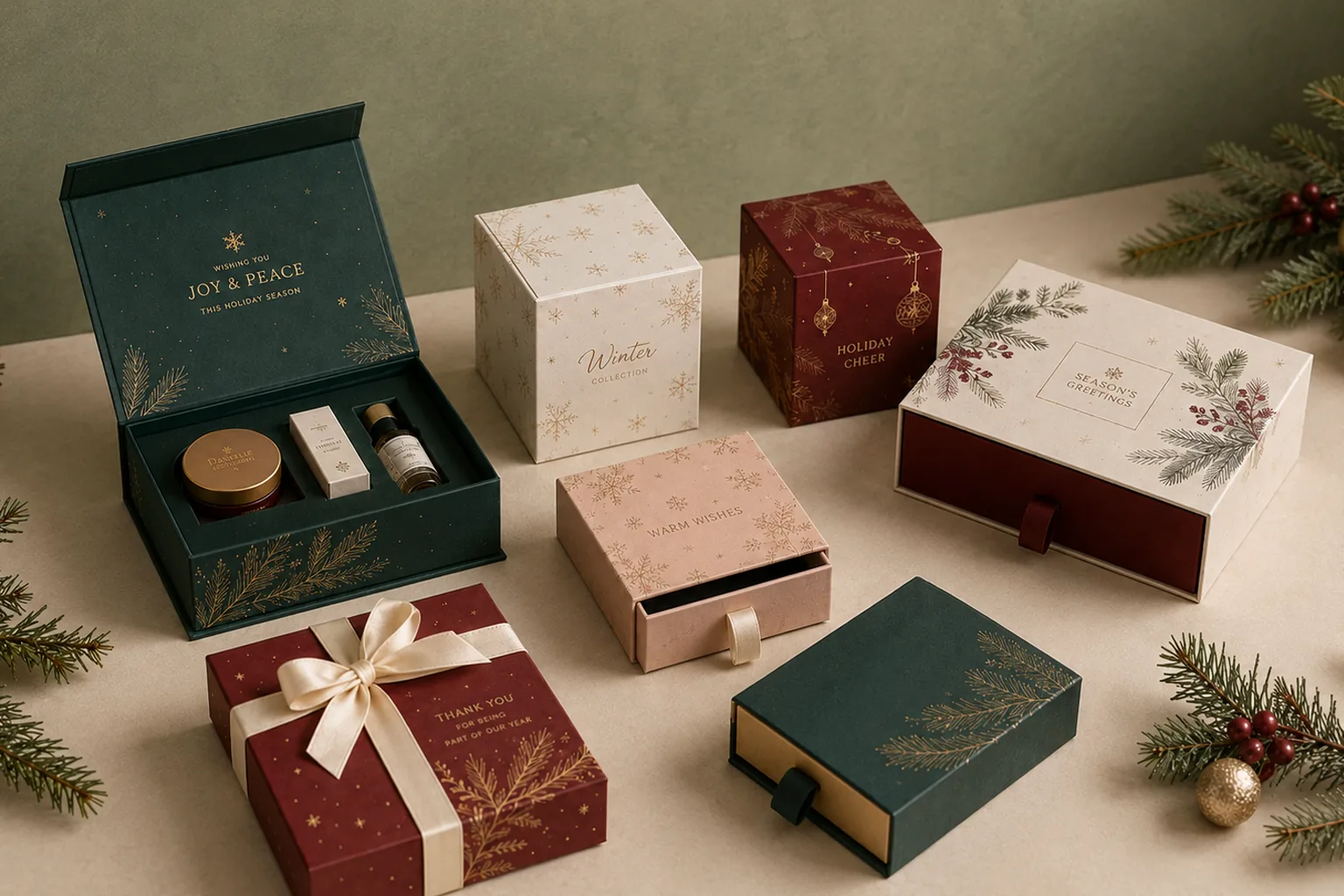
In the world of first impressions, touch is just as important as sight. Imagine running your fingers over a business card or a premium box and feeling a raised texture—or an elegant notch.
This is where embossing and debossing come into play. Whether for product packaging, book covers, or stationery, these tactile effects aren’t just “fancy extras.” Today’s brands are increasingly investing in physical textures to stand out, and these two techniques transform ordinary paper into a sensory experience.
So, if you’ve ever wondered which technique is right for your project, this complete guide will break down everything you need to know about embossing and debossing.
What is Embossing?
Embossing is the process of raising a design, logo, or text above the surface of the material. This technique creates a 3D effect that literally “pops.”
The Process of Embossing
To create an emboss, printers use two custom metal plates: one with the raised design and one with the matching recessed design. The paper is sandwiched between them. Then, under high pressure and heat, the fibers are reshaped to keep the raised form permanently.
Examples of Embossing
Think of a premium rigid box packaging. Often, the brand name on the label is raised so you can feel it while touching the box.
Another classic example is the gold seal on a graduation diploma or a high-end certificate of authenticity.
Is embossing considered luxury printing for packaging?
Absolutely! Embossing is one of the best finishes for luxury packaging because it adds a level of sophistication that ink alone cannot achieve. It signals to customers that the product inside is high-quality and that no detail was overlooked.
What is Debossing?
If embossing is about standing out, debossing is about “sinking in.” This technique creates a recessed image that sits below the paper surface.
The Process of Debossing
Debossing is essentially the reverse of embossing. A metal die is stamped into the material’s front, creating a permanent notch. Unlike embossing, it doesn’t necessarily require a secondary die on the back, though one is often used for extra sharpness.
Examples of Debossing
A classic example is a leather-bound journal with a stamped title deeply into the cover. You’ll see it frequently on luxury stationery and “letterpress” style wedding invitations.
How does debossing create luxury packaging?
Debossing offers a “quiet luxury” aesthetic. It feels architectural and deliberate. When a customer runs their thumb over a debossed logo, it creates a psychological connection of stability and permanence. This is why many high-end tech and fashion brands prefer debossing for their luxury packaging.
What’s the Difference Between Embossing and Debossing?
Alright, now what’s the main difference between embossing and debossing?
The easiest way to remember the difference is direction:
- Embossing pushes the paper up (raised).
- Debossing pushes the paper down (recessed).
While both require custom metal dies, embossing typically leaves a mirrored indentation on the back of the paper, whereas debossing can sometimes be done without affecting the reverse side.
Die Styles of Embossing/Debossing
To achieve unique tactile effects, paper embossing uses a variety of die styles. Let’s break down the main metals used for creating these dies.
- Magnesium: The most economical choice. It’s ideal for single-level designs, smaller surfaces, and smoother stocks where cost and speed are priorities.
- Copper: Similar to magnesium, copper is used for single-level embossing but provides greater strength and longevity.
- Brass: The hardest of the three, brass is the industry standard for complex projects. It’s required for multi-level or sculpted dies to create 3D effects.
What Are the Die Types for Embossing/Debossing?
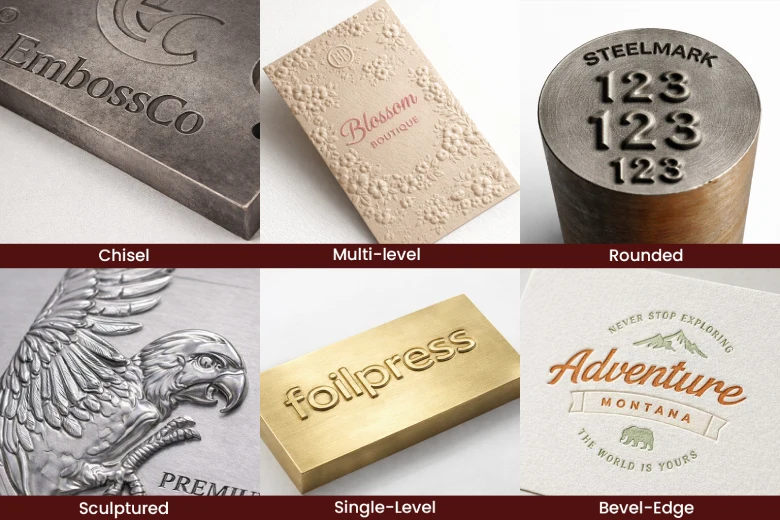
Not all “raised” or “sunken” effects are created equal. The type of die you choose determines the final texture and “vibe” of your design.
Have a look at the options below.
- Single-Level: The most common type, where the entire image is raised to one consistent height.
- Multi-level Emboss: Creates multiple height levels within the design, giving it a 3D, topographic look.
- Chisel: The edges are angled like a V-shape, similar to stone carving.
- Rounded: The edges are soft and curved, perfect for a subtle, organic feel.
- Bevel-edge: The edges are tapered at an angle (usually 30 to 60 degrees) for a sharp, clean look.
- Sculptured: A hand-tooled die that creates realistic textures, like the fur on an animal or the petals of a flower.
Embossed and Debossed Styles
Not only are the die types different, but the styles are too!
Here are the popular embossed and debossed styles.
- Blind Embossing: No ink or foil is used. The effect relies entirely on light and shadow on the paper’s natural color.
- Registered Emboss: The emboss is perfectly aligned with a printed image or text.
- Combination Embossing: This uses a “combo die” to emboss and apply foil stamping at the same time.
The Benefits of Embossing and Debossing
Adding an embossing or debossing texture isn’t just about looks; it’s a strategic business move.
Have a look at the tremendous benefits of embossing and debossing below.
Increase Product’s Perceived Value
The complex, textured, or three-dimensional design signals high quality and luxury, increasing your product’s perceived value.
Enhance Tactile Experience
Both methods introduce a tactile, sensory element that encourages customers to touch and hold your product, making it more memorable.
Brand Differentiation
They create a subtle, elegant, and professional look that makes your business logo, text, and packaging stand out.
Improve Brand Recall
The “extra” dimension makes branding more memorable and engaging.
Durability
The techniques are durable and wear-resistant, ensuring your design remains pristine over time.
Flexibility in Design
Embossing pairs well with foil stamping for extra elegance. Meanwhile, debossing offers a sleek, refined look, which is easier to apply to thicker materials.
Eco-Friendly Branding
Because they often require no additional ink or materials, they are a sustainable option for enhancing your packaging.
Which Industries Use Embossing & Debossing for Product Packaging?
Texture works across almost all types of packaging materials, from cardboard to heavy rigid stock.
Here are the many industries that use embossing and debossing for their product packaging.
- Luxury Cosmetics and Fragrance: Used on cosmetic boxes and perfume packaging to convey elegance, prestige, and quality.
- Food and Beverage (Premium): Applied to chocolate boxes, tea, coffee, and gourmet snacks to highlight brand luxury.
- Wine and Spirits: Often found on labels or boxes for premium wines to create a classic appeal.
- Apparel and Fashion: Used for high-end hangtags, apparel boxes, and specialized retail packaging to highlight logos.
- Corporate Gifting and Promotional Items: Ideal for gift boxes, PR boxes, and promotional materials.
- Publishing and Stationery: Used for hardcover books, magazines, and invitation cards.
- Electronics: Utilized by tech companies on product packaging to suggest innovation.
Embossing vs Debossing: When to Choose Each?
Now comes the big question: When to choose each?
Choose embossing if you want your brand to be bold, visible from a distance, and highly energetic. It’s great for logos and seals.
Choose debossing for a sophisticated, modern feel. It’s effective on thick materials like leather, suede, or heavyweight pulp paper.
Let’s make it easier with a comparison table below.
| Feature | Embossing | Debossing |
| Effect | Raised (3D) effect | Recessed (Sunken effect) |
| Appearance | Bold, catches light | Refined, elegant |
| Tactile Feel | Textured | Smooth, sunken |
| Best for | Logos, invitations, high-end packaging | Book covers, business cards, leather goods |
What to Know Before Embossing or Debossing?
Before you send your files to the printer, keep these technical requirements in mind to ensure a flawless result.
Start with Vector Art
Because dies are CNC-machined or etched from metal, you must provide vector files (AI, EPS, or PDF). High-resolution JPEGs won’t work because they don’t give the clean lines needed for a metal die.
Choose the Ideal Section of Your Design
Don’t try to emboss everything. Choose the most essential element—usually your logo or a signature pattern—to be the focal point.
Use Simple Artwork
Fine lines or tiny text can “plug” or lose detail when pressed into paper. Bold, clean shapes work best for 3D effects.
Use a Heavier Paper Stock
Texture requires sturdiness to work with. Thin papers may tear under pressure. Select high-GSM (grams per square meter) stock to allow the fibers to stretch without breaking.
Summing Up
No doubt, whether for product packaging, book covers, or stationery, embossing and debossing effects transform ordinary paper into a sensory experience.
Remember to choose embossing if you want your brand to be bold, visible from a distance, and highly energetic. And choose debossing for a sophisticated, modern feel.
Well then, which one suits you best?
FAQs
What is embossing?
Embossing is the process of raising a design, logo, or text above the surface of the material to create a 3D effect.
What is debossing?
The debossing technique creates a depressed or recessed image that sits below the paper surface.
What’s the difference between embossing and debossing?
Embossing leaves a mirrored indentation on the back of the paper, whereas debossing can sometimes be done without affecting the reverse side.
How to choose between embossing and debossing?
Choose embossing if you want your brand to be bold, visible from a distance, and highly energetic. And choose debossing for a sophisticated, modern feel.