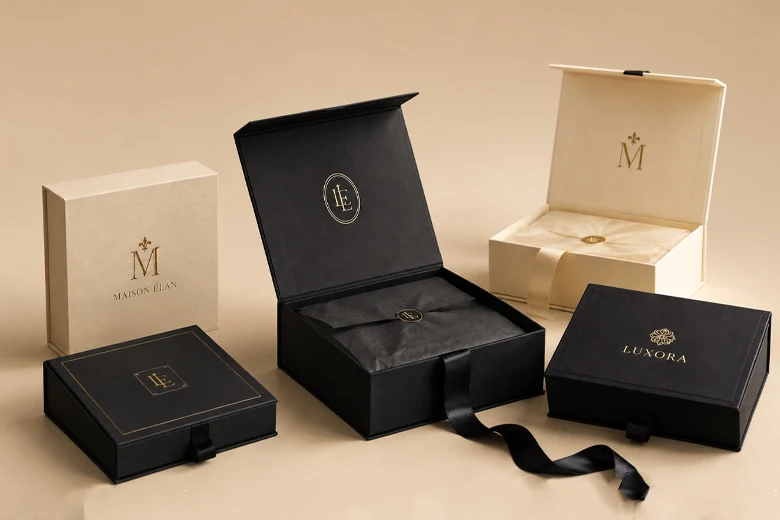
When you order a new laptop or a set of wine glasses, the first thing you usually see when opening the box isn’t the product itself—it’s the protective layer keeping it safe. Whether small or large, customers rely on you to ship their products safely.
In the world of shipping, foam packaging is the hero that stands between a perfect delivery and a box full of broken parts. Yes, foam packaging is more than a “filler.”
What are the different types of foam packaging, and which one should you use? Let’s dive in.
What is Foam Packaging?
Foam packaging is a lightweight, durable material used to cushion, protect, and insulate products during transit.
By leveraging trapped gas bubbles within a solid structure, these materials absorb dynamic energy from drops and vibrations. Foam packaging offers unmatched structural memory and customizability. Hence, it’s the go-to choice for packing and shipping everything from heavy to delicate goods.
Types of Foam Packaging by Materials
Choosing the right foam material is a science. Each type of foam is constructed with a specific density and cell structure. The main goal? To handle different levels of pressure and environmental factors.
From sturdy blocks to soft, sponge-like sheets, here is a breakdown of the common foam materials used in the industry today.
Expanded Polystyrene (EPS)
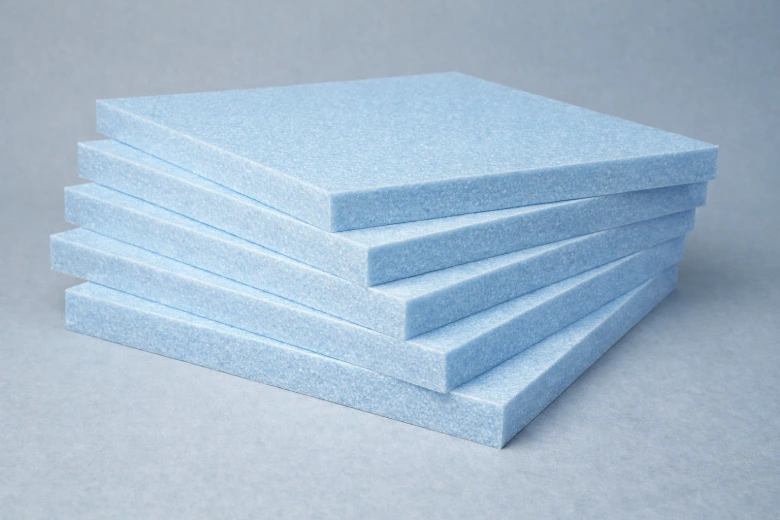
Made from polystyrene beads expanded with steam, expanded polystyrene is often called “Styrofoam.” It’s white, durable, and composed of visible small spheres pressed together.
Best for: Home appliance packaging (fridges/washers) and temperature-sensitive food or medicine packaging.
Polyethylene (PE) Foam
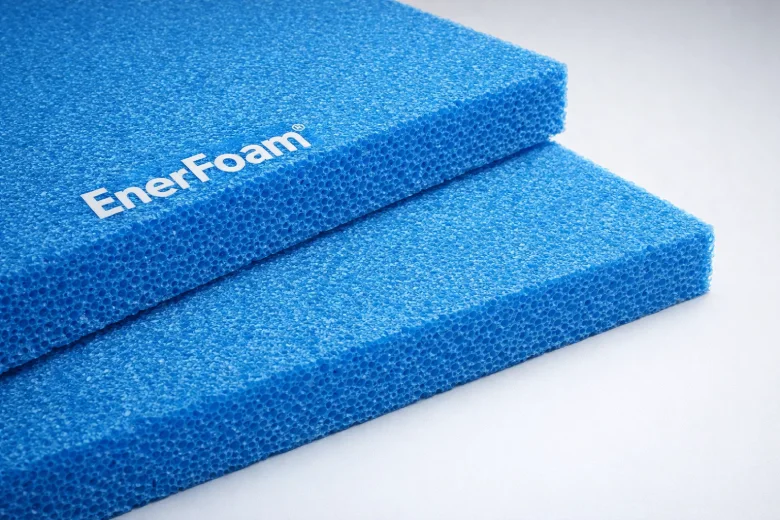
Polyethylene foam is a closed-cell thermoplastic. It’s a slightly waxy, semi-thick foam that is smooth to the touch. PE is typically available in white, black, or blue.
Best for: Shipping fragile items that require high shock absorption, such as furniture corners, automotive parts, and heavy glass.
Polypropylene Foam
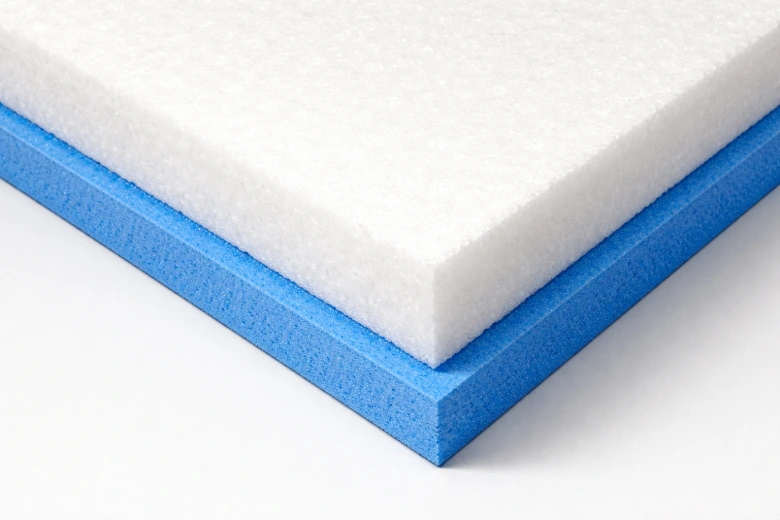
Polypropylene foam is a lightweight polymer known for high energy absorption. It’s similar to PE but thinner and more flexible, often used in thin white sheets.
Best for: Surface protection of screens, polished metals, and products prone to scratching.
Expanded Polypropylene (EPP)
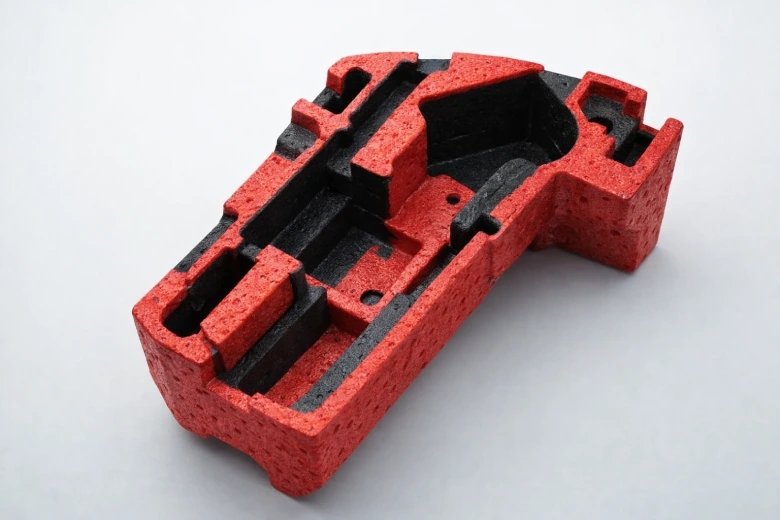
Expanded polypropylene is a closed-cell bead foam that is highly elastic. It looks like EPS but feels “rubbery” and does not break or crumble easily.
Best for: Heavy-duty, multi-trip packaging and automotive safety components, thanks to its exceptional durability.
Polyurethane (PU) Foam
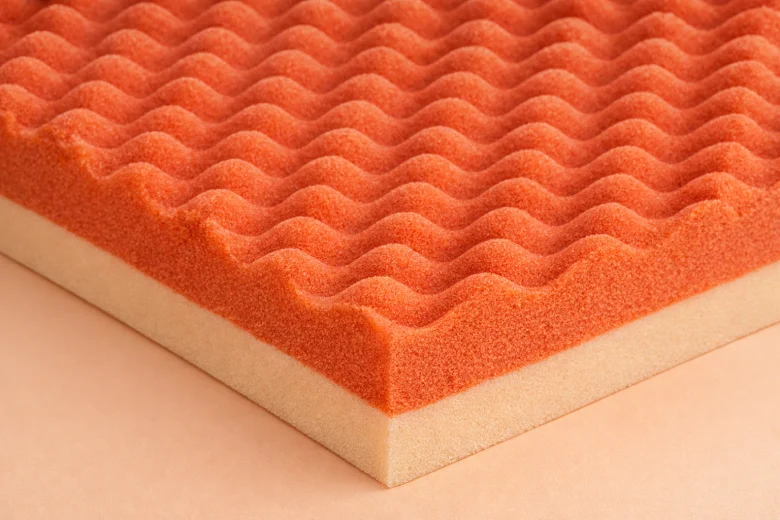
Polyurethane is an open-cell foam created by reacting polyols and diisocyanates. It’s soft, squishy, and sponge-like. The best part? This foam recovers its shape instantly.
Best for: Lightweight packaging, such as ring boxes, pendant packaging, and small electronics, that need a gentle “hug.”
Cross-Linked Polyethylene (XLPE)
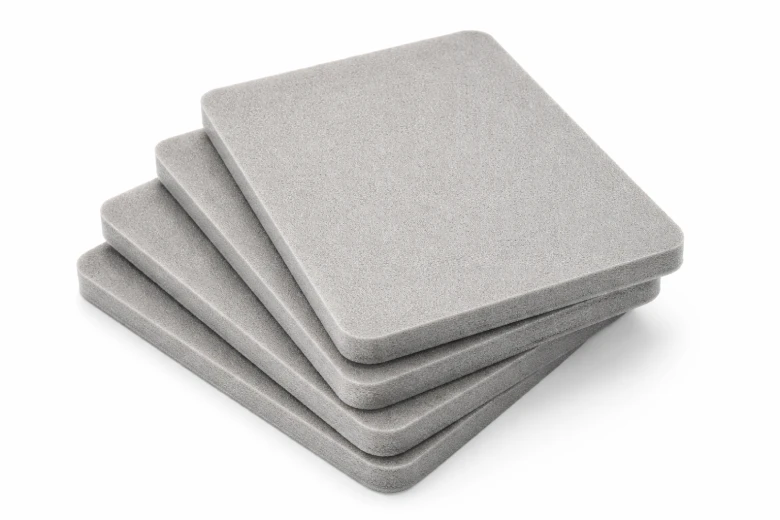
As the name suggests, cross-linked polyethylene is a chemically cross-linked version of PE foam. This foam is extremely fine-celled, smooth, and aesthetically pleasing. It has a high-end, premium feel.
Best for: Critical medical instruments, high-end jewelry boxes, and aerospace components that require “Class A” surface protection.
EVA Foam
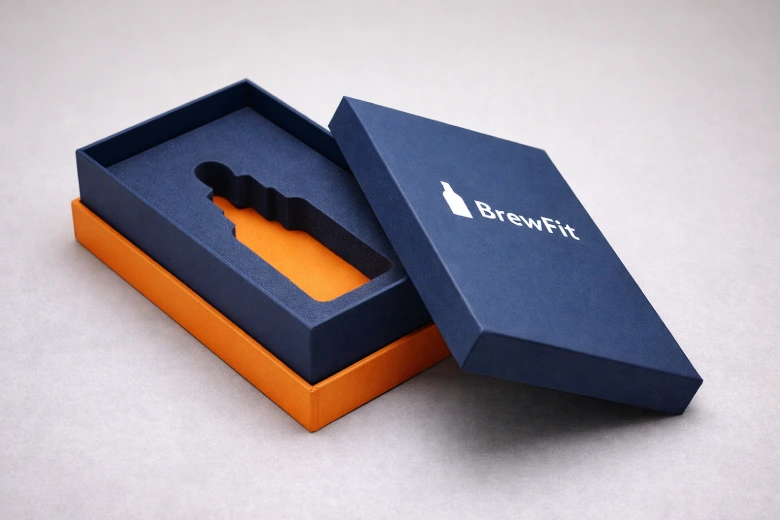
EVA foam is made of ethylene-vinyl acetate. This foam is preferred as it’s very dense, rubbery, and available in many vibrant colors.
Best for: Luxury packaging like rigid boxes, premium cosmetic boxes, and elegant watch boxes.
Ethafoam
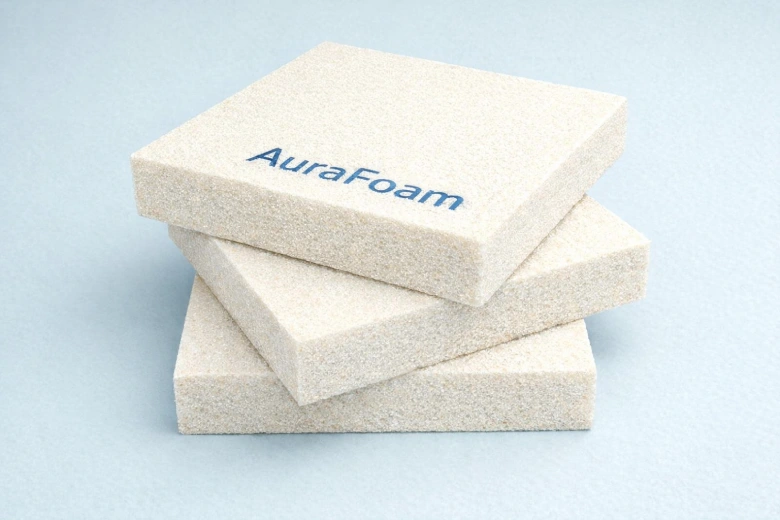
Ethafoam is a high-performance polyethylene foam brand. This one is thick, rigid, and incredibly strong.
Best for: Packaging heavy industrial equipment and products that require high load-bearing support.
Anti-Static Foam
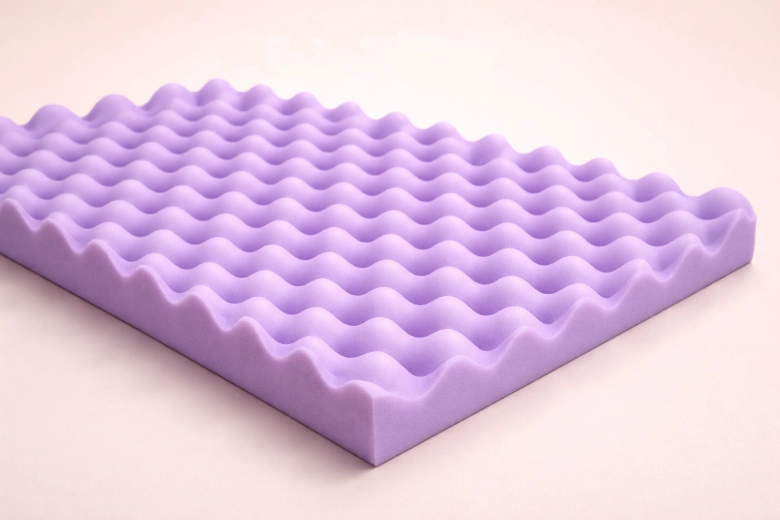
Anti-static foam is crafted using PU or PE foam treated with chemical antistatic agents. It’s usually dyed pink (anti-static) or black (conductive).
Best for: Electronic packaging boxes for circuit boards, microchips, and any electronic component sensitive to static discharge.
Neoprene Foam
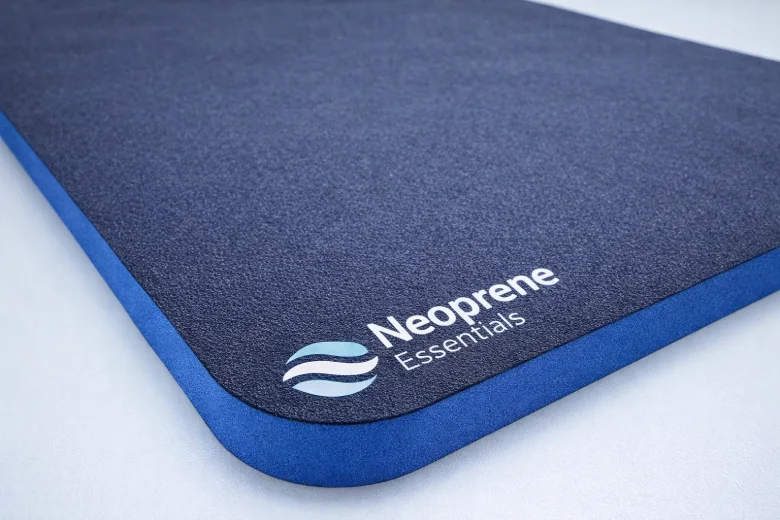
Next, we have neoprene foam, constructed from synthetic rubber. This foam mostly comes in black. It’s highly flexible and resistant to oil and weather.
Best for: Shipping seals and specialized industrial parts that require durability in harsh environments.
Silicone Foam
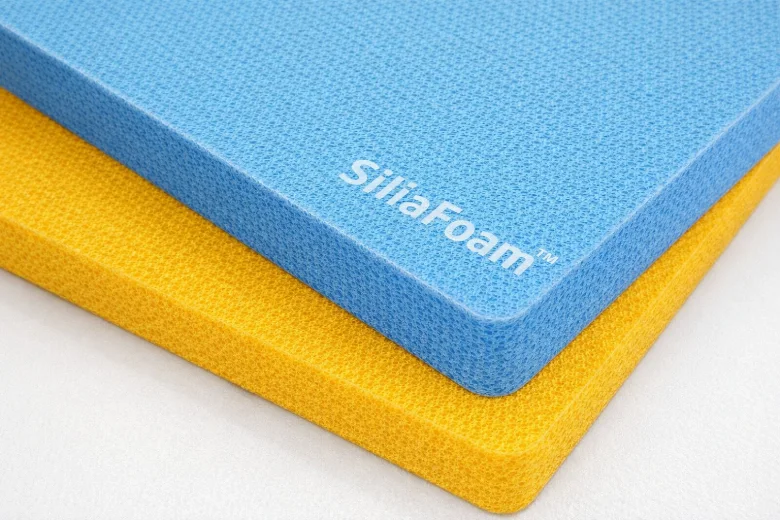
As you might have thought, silicone foam is made using silicone-based elastomers. Expect it to be very smooth, heat-resistant, and flexible.
Best for: High-temperature industrial applications and high-end medical equipment.
Bio-Based Foam
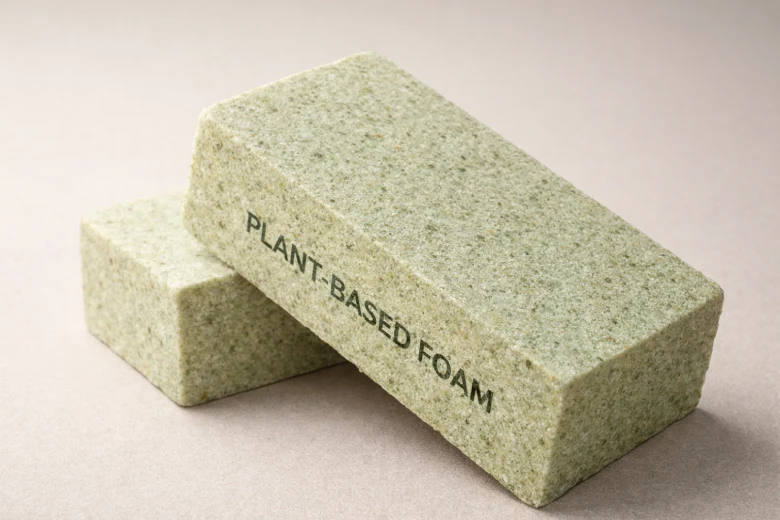
Bio-based foam derived from renewable sources like cornstarch or mushrooms. It often looks like EPS, but this foam dissolves in water or is compostable.
Best for: Inserts for homemade candle boxes, gourmet chocolate packaging, and cosmetic boxes.
Types of Foam Packaging by Form
Alright, now you know all the foam packaging materials. But material is only half the story. The foam’s shape and form determine how it integrates into your box.
So, let’s have a look at different types of foam packaging by form.
Foam Sheets & Foam Wrap (Packaging Sheets)
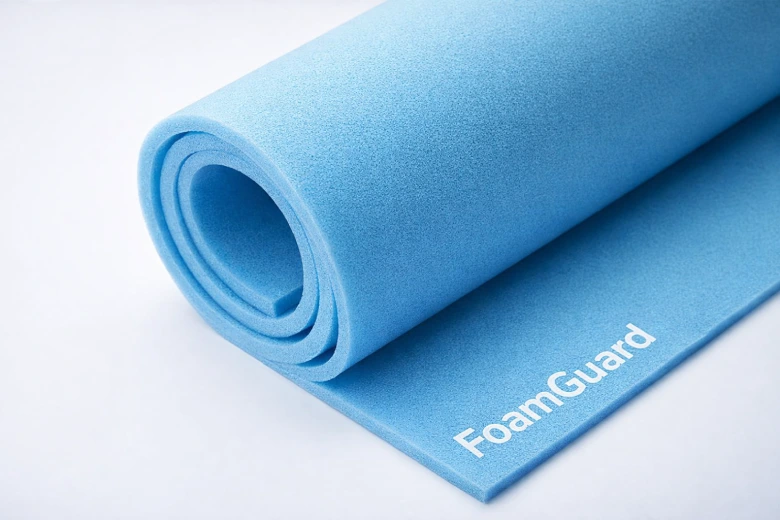
Lightweight, flexible, low-density sheets (often 1mm thick). Ideal for wrapping delicate items, lining boxes, or protecting surfaces from scratches.
Foam Tubing
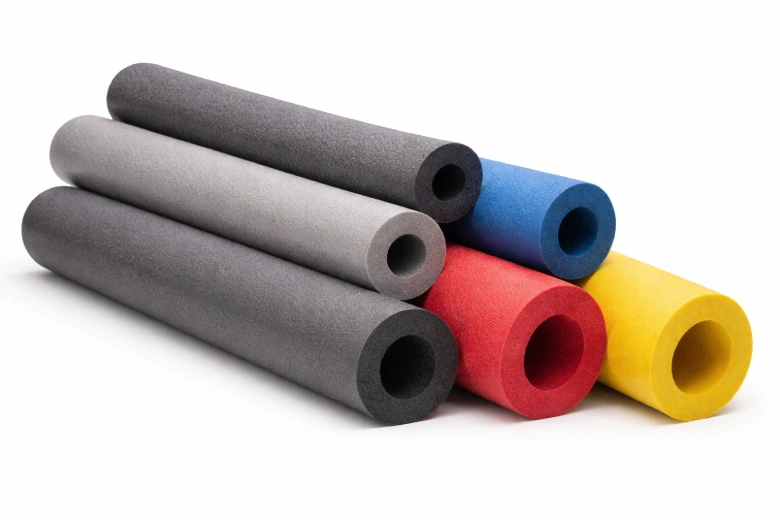
Cylindrical, hollow foam pieces designed to slide over delicate items like chair legs, furniture edges, or medical devices to provide cushioning.
Foam Sleeves
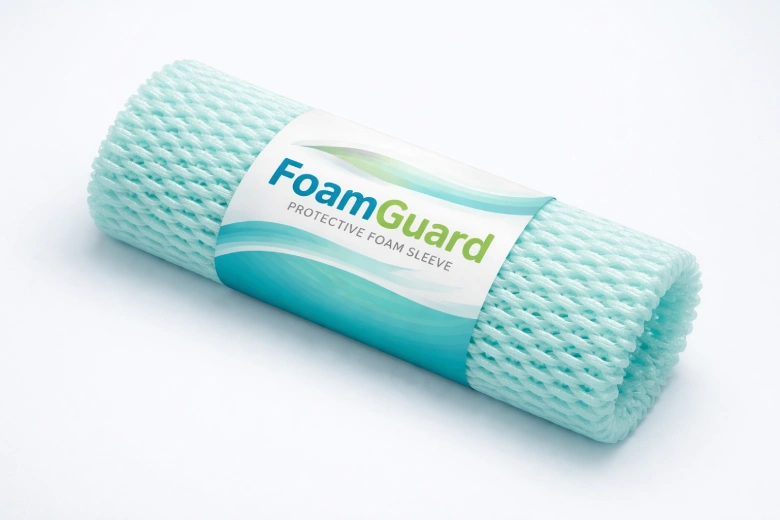
Closed-end pouches designed to slip over bottles, jars, or cylindrical products to prevent damage.
Foam Pouches
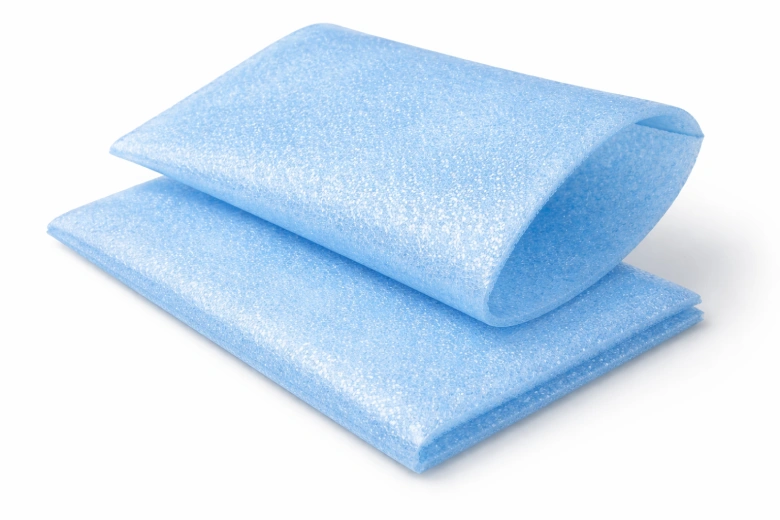
Pre-made bags with open ends, used for quick, efficient packaging of small items like jewelry, electronics, or components.
Foam Blocks
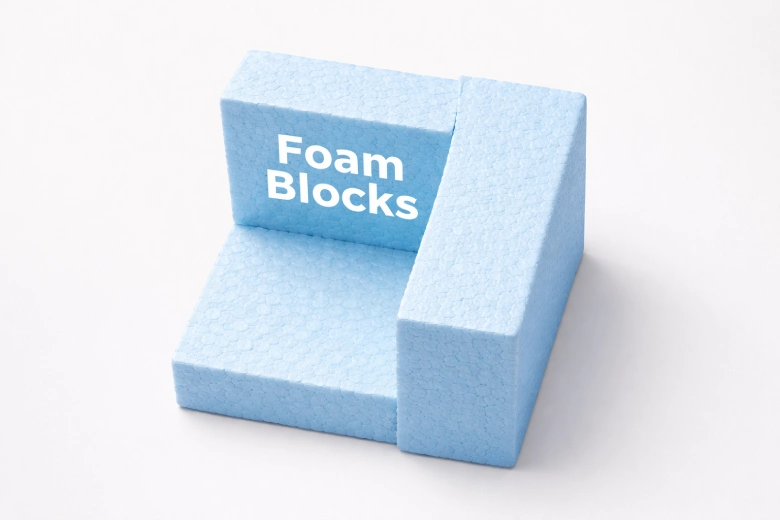
Rigid or semi-rigid pieces, often made from Expanded Polystyrene (EPS). Perfect for filling voids in boxes, blocking heavy items in place, and protecting corners.
Foam Trays
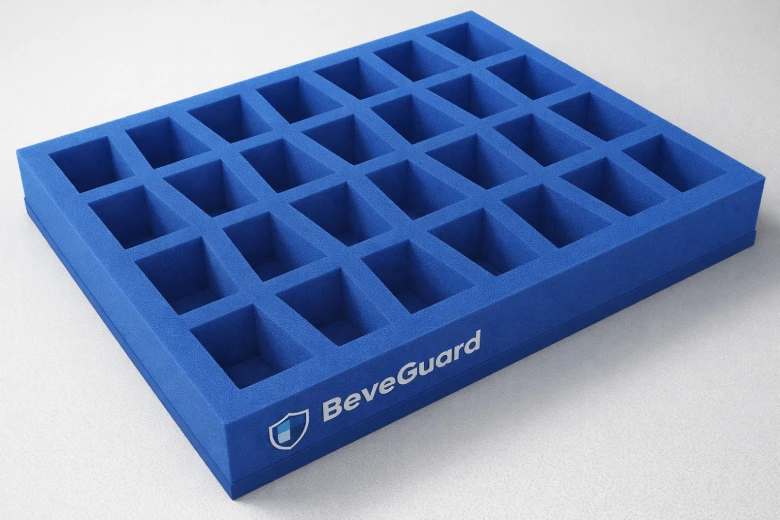
Molded trays, typically EPS or PE, designed for organizing and protecting specific products, commonly used in electronics and food industries.
Foam Inserts
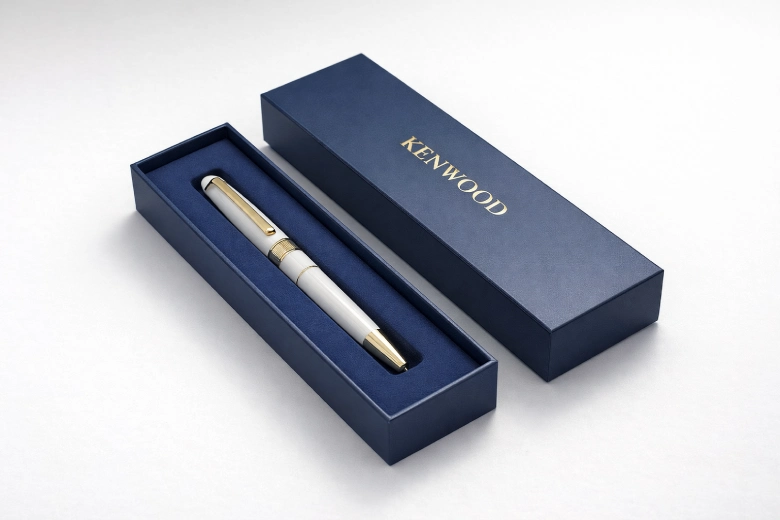
Custom-cut, die-cut, or CNC-routed foam shapes that fit precisely into a box or case to hold a product securely. Mostly found on custom boxes with EVA foam inserts, providing maximum protection against shock and vibration.
Egg Crate Foam Padding
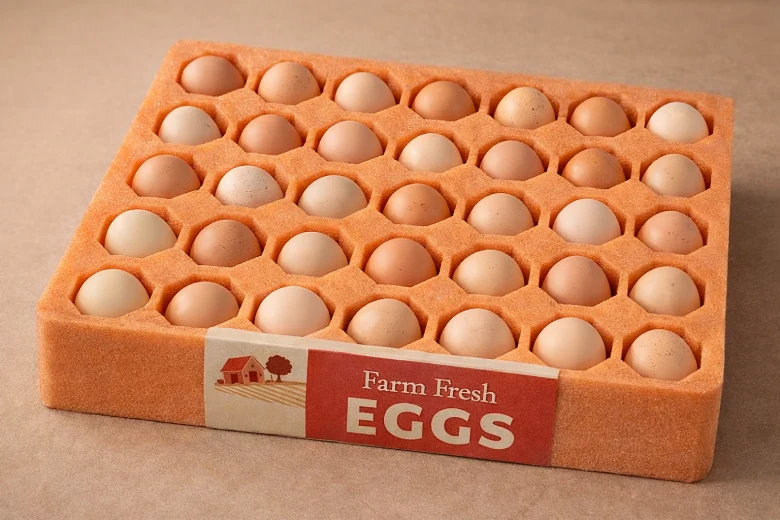
Foam sheets with a raised, convoluted, egg-carton-like surface. Often used in shipping cases to cushion top/bottom surfaces and securely sandwich items.
The Benefits of Foam Packaging
Why choose foam over other materials? It’s not just about the soft product landing.
Foam offers several functional benefits, including:
- Impact Resistance: Foam absorbs the force of a drop, preventing the product from taking the hit.
- Weight Efficiency: Since foam is mostly air, it adds almost zero shipping weight, saving you money on freight.
- Moisture Protection: Closed-cell foams (PE and EPP) provide a barrier to water and humidity.
- Customizability: Foam can be die-cut, CNC-routed, or molded to fit any shape imaginable.
- Increased Perceived Value: Packaging with foam signals quality and luxury, creating a memorable unboxing experience.
Overall, using foam packaging is about protection, presentation, and budget savings.
How to Choose Ideal Foam Packaging?
Now here comes the most challenging part: how to choose the ideal foam packaging?
When choosing between the options, consider the factors below.
Product’s Appearance
Is the final appearance of your packaged product important? Luxury packaging needs to look its best when it arrives. Hence, it may need a foam with superior protection.
Product’s Size & Weight
How heavy is your product? A very heavy product might not be suitable for foam materials such as expanded polystyrene, which can crack easily.
Also consider whether your product ships individually in a large box or in multiples.
Your Budget
What is your budget? XLPE foam is top-notch, but it’s quite expensive. Ask yourself, does your product really need it, or would a cheaper option work?
Reusability
Should the foam be reusable? Durable foam types can be used repeatedly, while other types are best for a single use.
Shipping Journey
How will you ship your product? Is it being transported via truck, parcel service, air, boat, or drone? Is it sensitive to vibration and movement? How fragile is it?
The Unboxing Experience
What unboxing experience do you want to deliver? What do you want your customer to see when they open the box?
Sustainability
How important is sustainability for your business? Are you considering a bio-based foam or a reusable one?
Getting confused? Let’s make a quick decision with the comparison table below.
| Foam Packaging | Materials | Features | Best for |
| Expanded Polystyrene (EPS) | Polystyrene beads expanded with steam | White, durable | Home appliance packaging, temperature-sensitive packaging |
| Polyethylene (PE) | Closed-cell thermoplastic | Smooth, semi-thick | Furniture corners, automotive parts, heavy glass |
| Polypropylene | Lightweight polymer | Thinner, flexible | Screens, metals, vulnerable products |
| Expanded Polypropylene | Closed-cell bead foam | Elastic, highly durable | Heavy-duty automotive parts |
| Polyurethane | Polyols & diisocyanates | Soft, sponge-like | Ring boxes, pendant packaging, small electronics |
| Cross-Linked Polyethylene | Chemically cross-linked PE foam | Fine-celled, smooth | Jewelry boxes, aerospace components |
| EVA Foam | Ethylene-vinyl acetate | Very dense, rubbery, vibrant | Rigid boxes, cosmetic boxes, watch boxes |
| Ethafoam | High-performance polyethylene foam | Thick, rigid, strong | Heavy industrial equipment |
| Anti-Static | PU/PE foam treated with chemical antistatic agents | Dyed pink or black
| Electronic boxes |
| Neoprene | Synthetic rubber | Flexible, resistant to oil and weather | Seals, specialized industrial parts |
| Silicone | Silicone-based elastomers | Smooth, heat-resistant, flexible | Industrial, medical equipment |
| Bio-Based | Cornstarch or mushrooms | Compostable, dissolves in water | Candle boxes, chocolate boxes, cosmetic boxes |
In Summary
No doubt, foam packaging is more than just “filler.”
With a range of foam packaging types, there is a foam solution for every product. By matching the right material and form to your specific needs, you ensure your customers receive their orders in perfect condition.
FAQs
What is foam packaging?
Foam packaging is a lightweight, durable material used to cushion, protect, and insulate products during transit.
What are the different types of foam packaging?
Different types of foam packaging include expanded polystyrene, polyethylene, polypropylene, EVA foam, anti-static foam, and more.
What are the benefits of foam packaging?
The benefits of foam packaging include impact resistance, weight efficiency, moisture protection, customizability, and increased product’s perceived value.
How to choose ideal foam packaging?
When choosing ideal foam packaging, consider the product’s appearance, product’s size & weight, budget, reusability, shipping journey, the unboxing experience, and sustainability.