Product packaging is far more than a simple container. It is the first physical interaction a customer has with your brand.
Well-designed packaging protects your product, tells your story, and meets modern sustainability standards. Hence, choosing the right material is a balance of science, art, and logistics.
How many types of packaging materials are there? And how to find one that matches your product? Let’s dive in.
What are the Different Types of Packaging Materials?
The world of packaging is huge and diverse. Packaging materials are selected based on the “Three Pillars”: Protection, Price, and Planet. From heavy-duty industrial shipping to delicate retail displays, each material serves a unique functional purpose.
Here are the different types of packaging materials you can choose from.
Kraft Paper
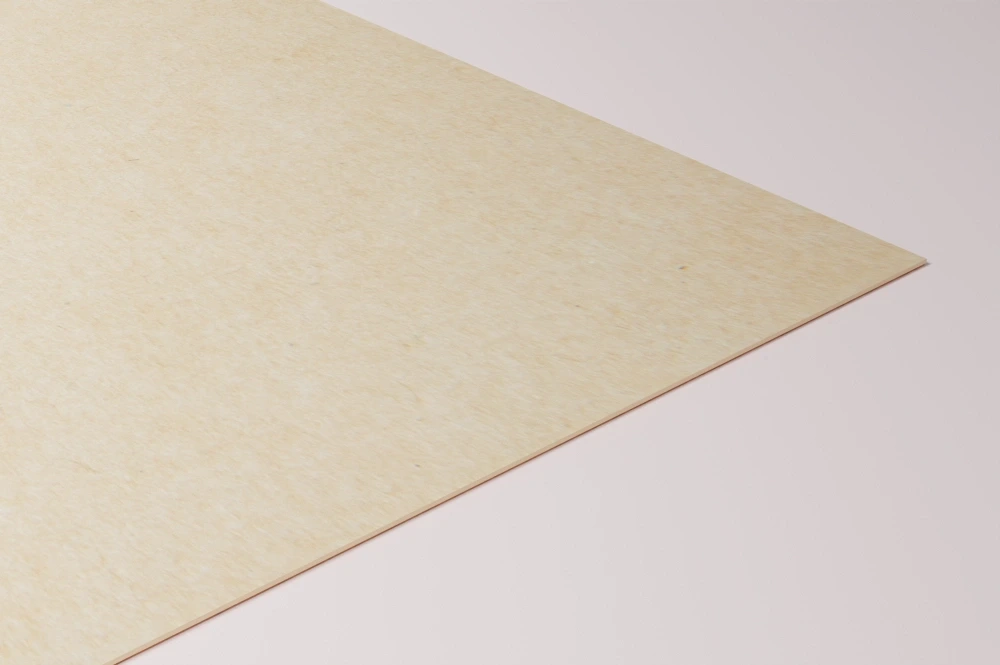
Kraft paper is the gold standard for eco-conscious brands. It is produced through a chemical pulping process that retains the strength of wood fibers. Kraft is also 100% biodegradable and easily recyclable.
Paired with rigid stock, you can create durable, eco-friendly kraft rigid boxes that impress.
Best for: E-commerce mailer boxes, void fill, and boutique shopping bags.
Cardboard
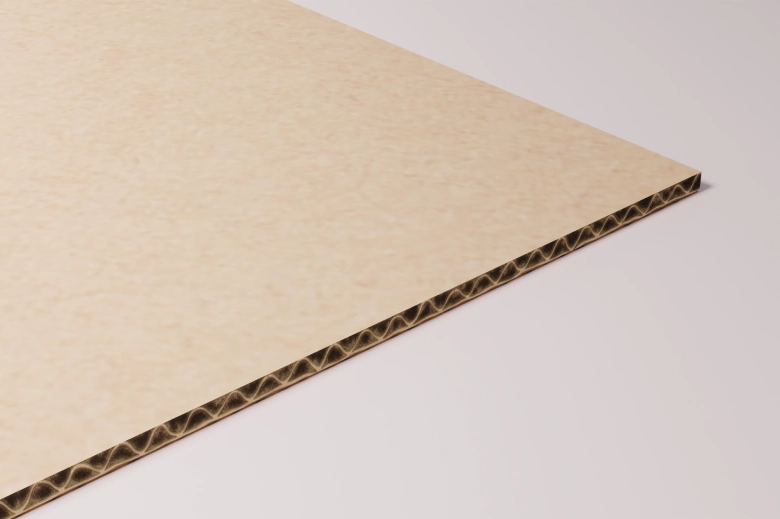
Cardboard, specifically corrugated cardboard, is the workhorse of global trade. It consists of a fluted paper sheet sandwiched between two liners. Cardboard packaging provides an incredible strength-to-weight ratio and great shock absorption.
Best for: Shipping boxes and heavy retail items.
Rigid Stock
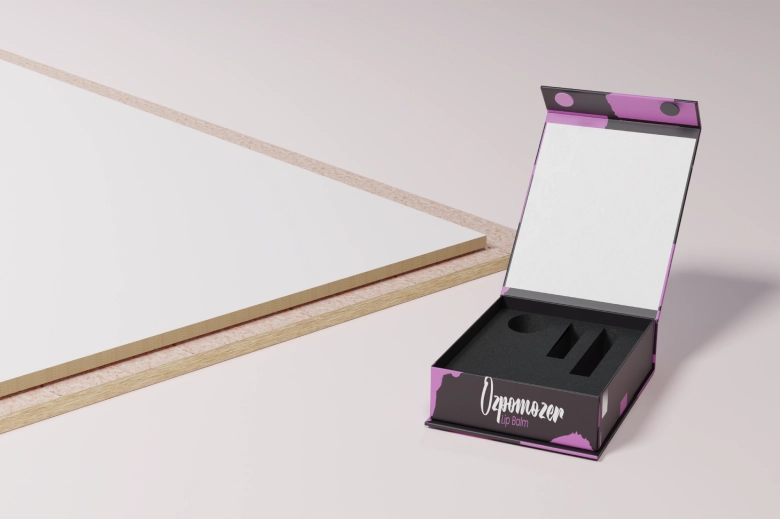
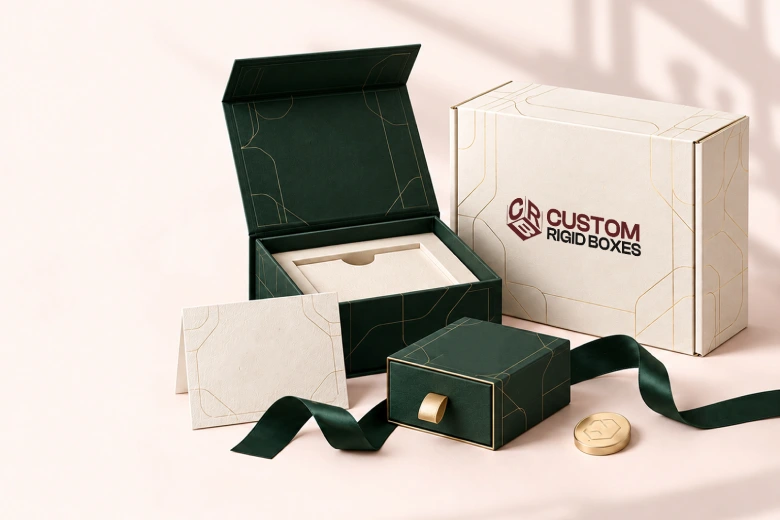
Next, we have rigid stock. Have you ever seen any luxury packaging? If you have, then you’ve seen the packaging made of rigid stock. An example? Check out the branded Samsung packaging!
Rigid stock consists of a thick, compressed cardboard core (like grey chipboard) for strength. Then it’s covered, or “wrapped,” with printed paper/kraft (or “wrap”) for aesthetics, finishing, and branding. Overall, it combines the structural integrity of heavy chipboard with the customizable surface of fine paper.
Key Components
- Chipboard (Core): A dense, recycled, paperboard compressed to a significant thickness to provide the box’s rigid structure and hardness.
- Paper/kraft (Wrap): A thinner paper, printed with designs, logo, and text, then pasted onto the chipboard core to create the finished look and feel.
Key Characteristics
- Strength & Durability: Superior protection for delicate items.
- Premium Feel: Offers a high-end, luxurious unboxing experience.
Beyond protection, rigid stock can be formed into various box styles, such as:
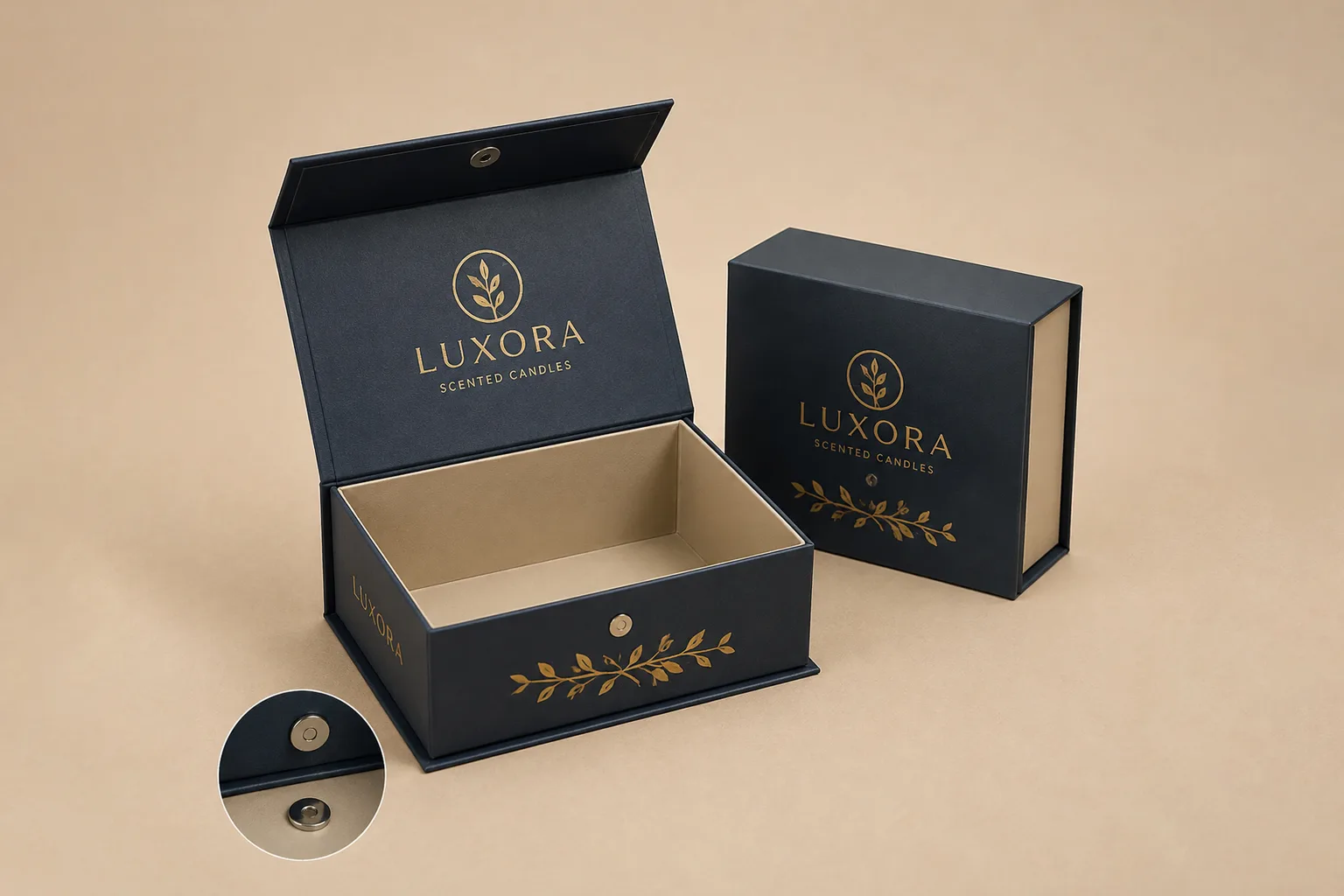
- Magnetic closure boxes
- Hinged lid rigid boxes
- Round boxes
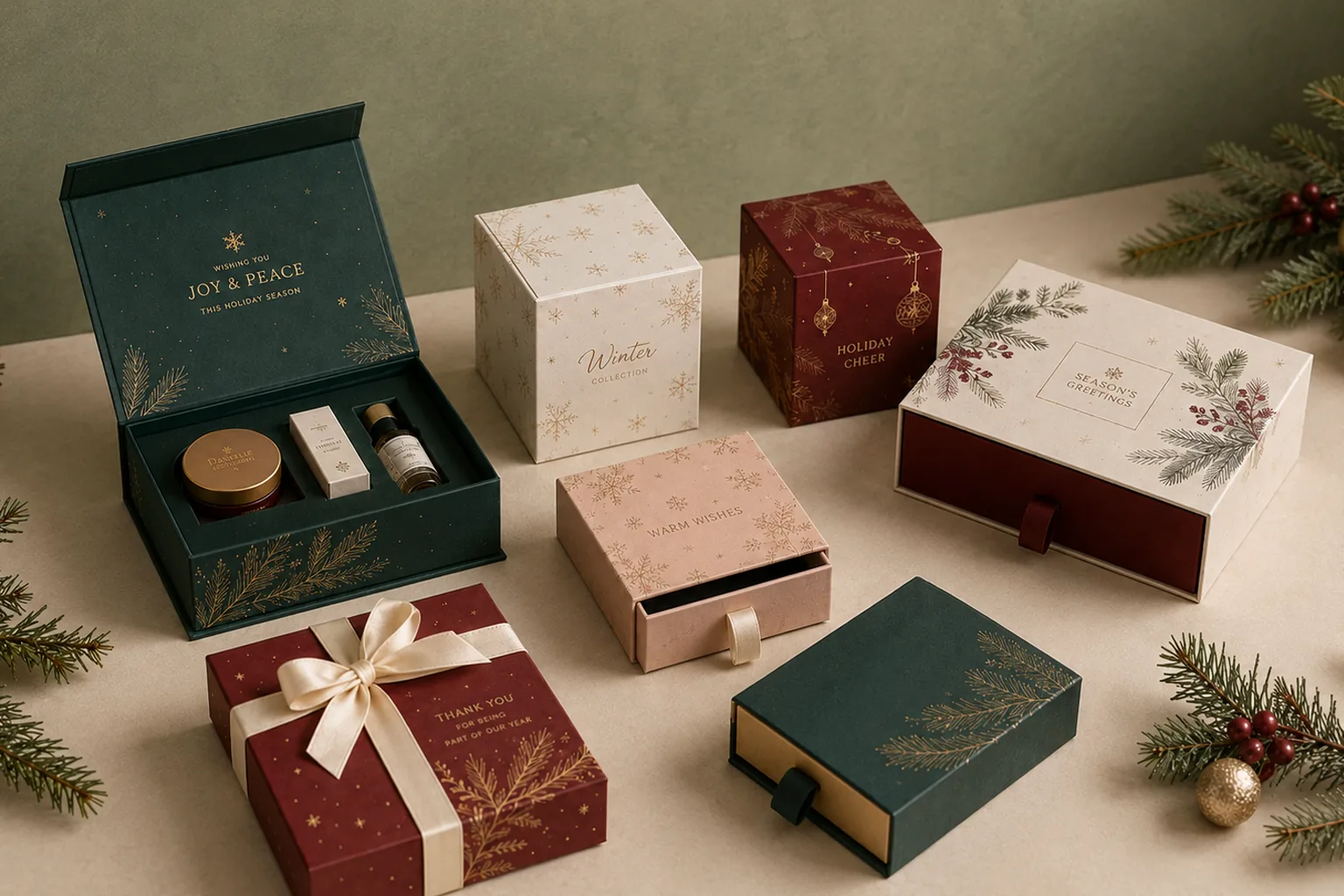
- Drawer boxes
- Two-piece boxes
- Shoulder neck boxes
- Tray and sleeve boxes
- Hexagon boxes
Moreover, rigid stock is printable and customizable with excellent finishes, including matte, gloss, Spot UV, AQ coating, soft-touch, and even embossing/debossing. Perfect to showcase your high-end products as premium as they are.
In essence, when you choose rigid packaging boxes, expect them to be extremely durable and provide a “high-end” tactile feel.
Best for: From cigar boxes, cosmetic packaging, and perfume boxes to jewelry packaging and PR boxes, rigid stock is preferred to make every box sturdy and premium.
Glass

Glass remains a top choice for brands that value purity. It is non-porous and chemically inert, meaning it won’t leach chemicals into your product. The best part? Glass is 100% infinitely recyclable.
Best for: Beverages, high-end skincare, and gourmet sauces.
Plastic
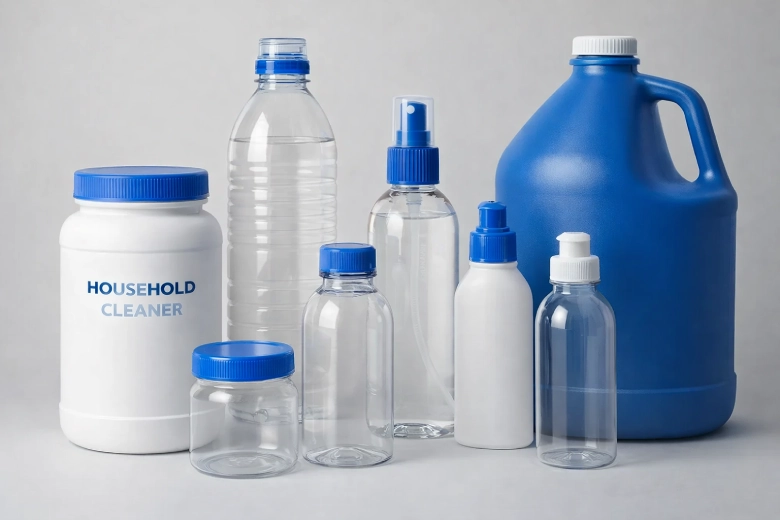
Traditional plastics like PET and HDPE are prized for their durability and barrier properties. They keep moisture out and freshness in. Plus, they are lightweight, waterproof, and highly cost-effective.
Best for: Household cleaners, squeeze bottles, and tamper-evident seals.
Bio-Plastics
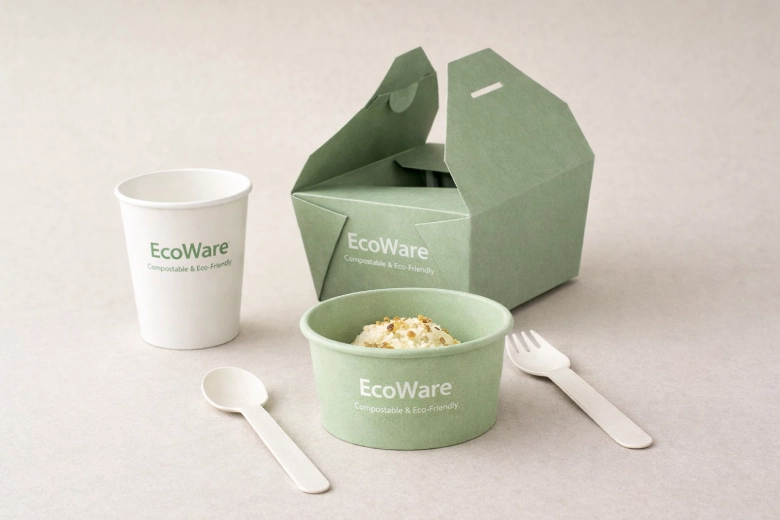
In the modern packaging world, bio-plastics have become a mainstream alternative. They are derived from renewable sources like corn, sugarcane, or cellulose. Hence, we can confidently say that bio-plastics reduce reliance on fossil fuels.
Best for: Single-use wrappers and compostable food containers.
Aluminum
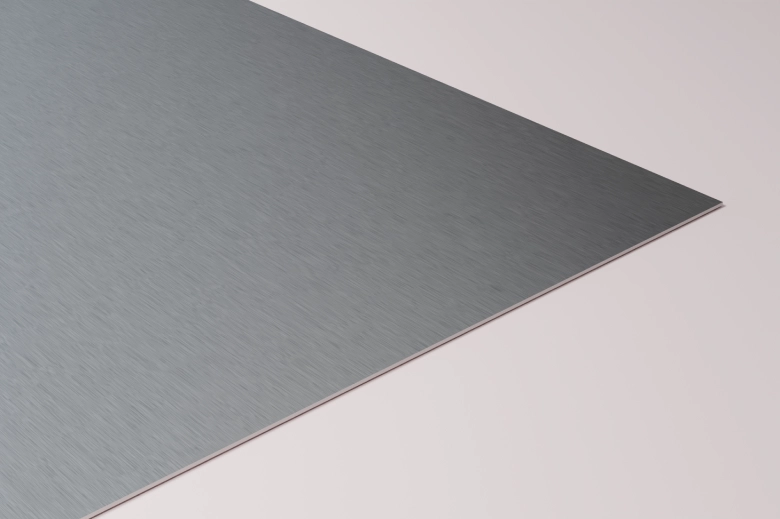
Aluminum is a “closed-loop” material, meaning it can be recycled over and over without losing quality. It is the ultimate barrier against light and air. Most importantly, aluminum is light, stackable, and has the highest recycling rate of any material.
Best for: Sparkling beverages, aerosol sprays, and premium cosmetics.
Plant-Based Materials
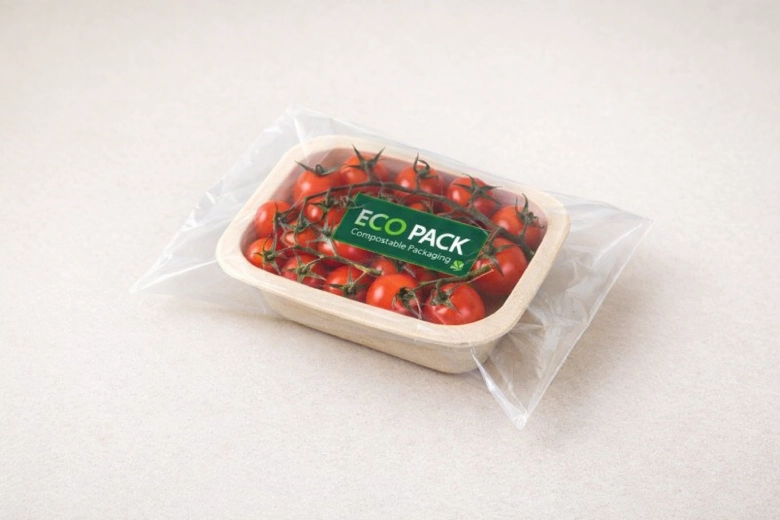
The cutting edge of packaging trends includes mycelium (mushroom), seaweed, and even hemp. These materials are grown, not manufactured. Better yet, they are often compostable and carbon-negative.
Best for: Zero-waste brands and organic food products.
Bottles
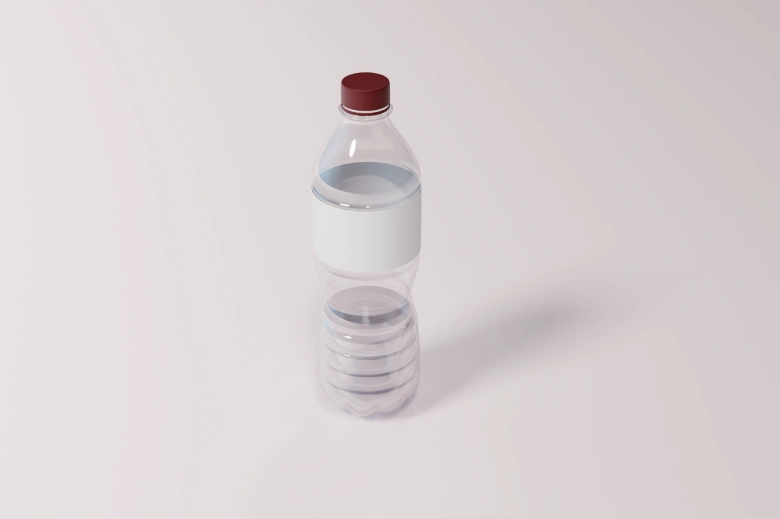
Bottles are defined by their neck finish and closure types. Whether glass or plastic, they are designed for pourability and airtight storage.
Best for: Liquids, vitamins, and oils.
Pro tip: Always ensure your closure (cap) material matches the bottle material for easier recycling.
Shrink Wrap
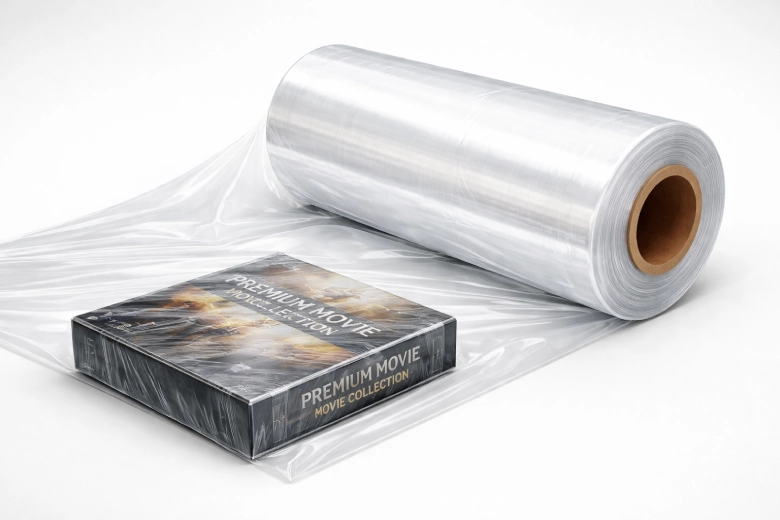
Shrink wrap is a polymer film that shrinks tightly around products when heated. It provides a “factory-sealed” look that builds customer trust. Another great thing about shrinkwrap is that it’s very cost-effective and offers excellent stabilization during shipping.
Best for: Multi-packs, gift baskets, and protecting printed labels from scuffing.
Metal Tins and Cans
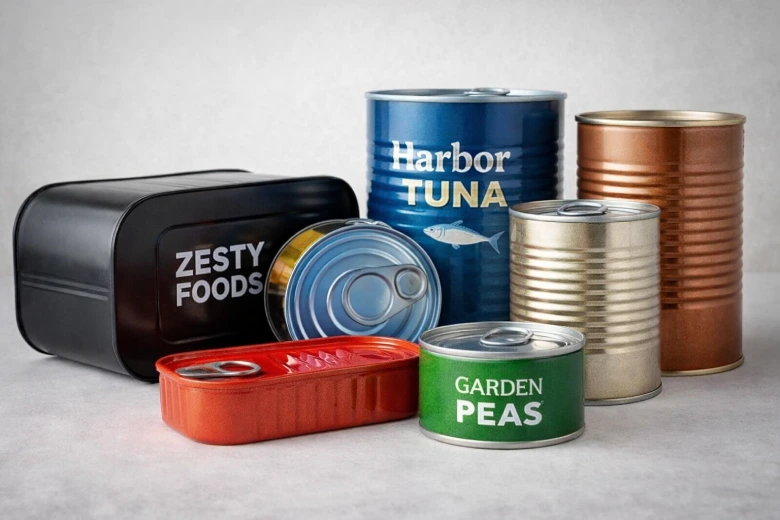
Metal packaging offers the longest shelf life of any material. Steel cans are widely used for food, while decorative tinplate is used for gifts. Overall, they provide 100% protection from UV light and pests.
Best for: Preserved foods, tea, coffee, and luxury candles.
Getting confused? Let’s recap them!
| Packaging Materials | Feature | Best for |
| Kraft Paper |
|
|
| Cardboard |
|
|
| Rigid Stock |
|
|
| Glass |
|
|
| Plastic |
|
|
| Bio-Plastics |
|
|
| Aluminum |
|
|
| Plant-Based Materials |
|
|
| Bottles |
|
|
| Shrink Wrap |
|
|
| Metal tins and cans |
|
|
How to Choose the Right Packaging?
Choosing the right packaging is more than simply getting any standard box or container. You surely want your packaging to be durable, appealing, and attractive at the same time, right?
To find your product’s match, answer these three questions:
- What is the journey? If you ship globally, prioritize the durability of premium rigid boxes.
- What is the budget? Balance the material cost against the retail price.
- What is the brand message? Luxury brands prefer (and need) rigid stock, while natural brands need Kraft or plant-based options.
To help you make a better decision, remember the 4 C’s of packaging.
What are the 4 C’s of packaging?
- Cost: Includes the price of the packaging material, shipping, and storage.
- Convenience: How easy is it for the customer to open and use your packaging?
- Communication: How well the packaging displays your branding and legal info.
- Customer: Identifying the specific needs and values of your target customers.
Overall, when choosing the right product packaging, consider following the main rules of 5 C’s of packaging.
What are the 5 P’s of packaging?
- Protection: Guarding against drops, vibration, and climate.
- Preservation: Preventing spoilage or oxidation.
- Presentation: The visual “wow” factor on the shelf.
- Promotion: Using the ample space for marketing and cross-selling.
- Portability: Making the product easy to transport from store to home.
Why is Product Packaging Important?
Remember, your packaging is your “silent salesman.” In a world of infinite choices, it is the reason a customer picks your product over a competitor. Beyond sales, it reduces the environmental and financial costs associated with damaged returns. High-quality packaging shows that you value your product and your customers.
Wrapping Up
No doubt, choosing packaging is a strategic business decision. By matching your product with the right material—be it the sturdiness of rigid or the eco-friendliness of bio-plastics—you ensure safety, sustainability, and style. Take the time to test your materials, and your brand will reap the rewards.
FAQs
What are the different types of packaging materials?
The different types of materials include kraft, cardboard, rigid stock, glass, plastic, bioplastics, aluminum, plant-based materials, bottles, shrink wrap, and metal tins & cans.
Why do luxury brands choose rigid packaging boxes?
Luxury brands choose rigid packaging boxes because they are extremely durable and provide a “high-end” tactile feel.
What’s eco-friendly packaging made of?
Most eco-friendly packaging is made of kraft paper, which is 100% biodegradable and easily recyclable.
Why is product packaging important?
Packaging serves as a “silent salesman,” while reducing the environmental & financial costs associated with damaged returns. High-quality packaging shows that a brand values its product and customers.