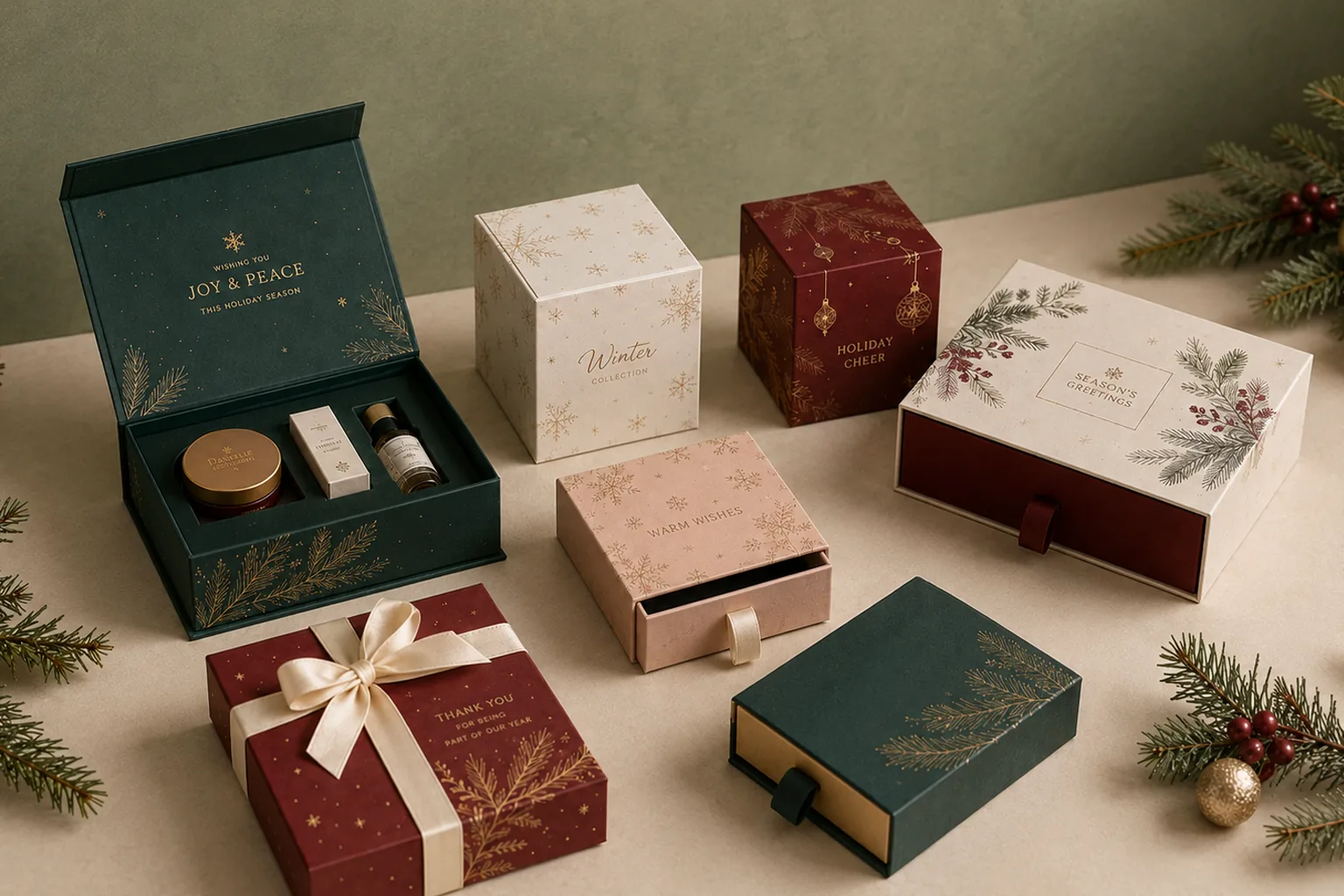
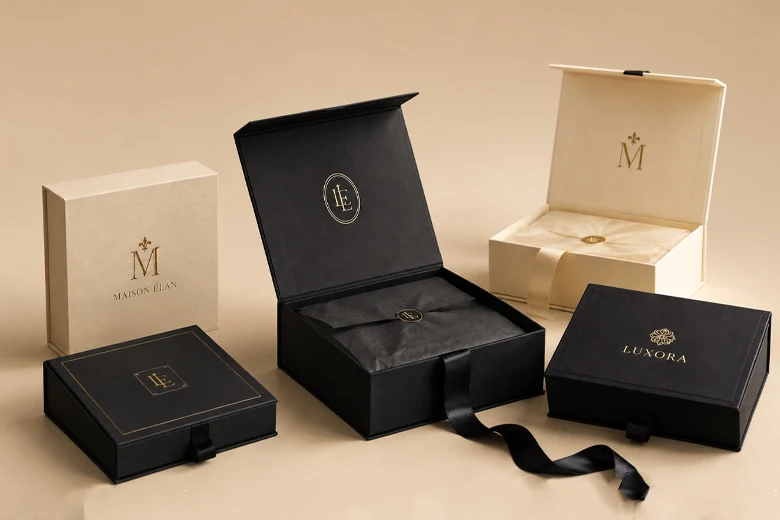
Think of the last time you held a high-end perfume or jewelry package. That “thunk” sound and the heavy, non-bending feel tell you one thing: “This is quality.” Well, that sturdiness comes from the rigid box board.
Rigid boxes are famous for their ultimate durability, sleek texture, and a sense of exclusivity. However, choosing the right foundation (board) is the difference between a package that feels like a memorable experience and one that feels like a budget-waste.
How many types of boards are used in rigid boxes? Let’s break down the board types, the stylish wraps, and the protective inserts that make these boxes a benchmark in the luxury market.
The Main Foundation: Greyboard vs Chipboard
Every high-quality box starts with a solid foundation. Yes, we’re talking about the board here. The two main boards used as the core materials of rigid boxes are greyboard and chipboard. While people often use these terms interchangeably, there are slight differences in how they perform.
Let’s find out the main differences between greyboard and chipboard.
What is Greyboard?
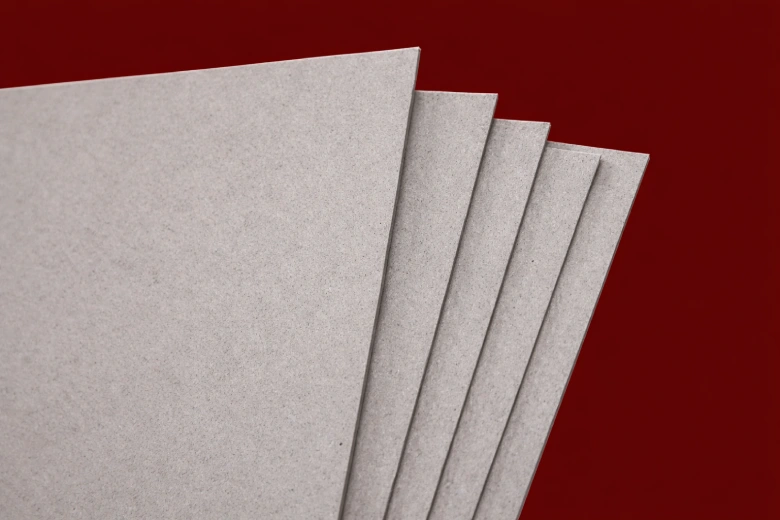
Greyboard is made from 100% recycled paper fibers compressed under intense pressure. This board is incredibly dense and flat. Moreover, it provides “sharp” corners and smooth surfaces required for luxury wrapping.
What is Chipboard?
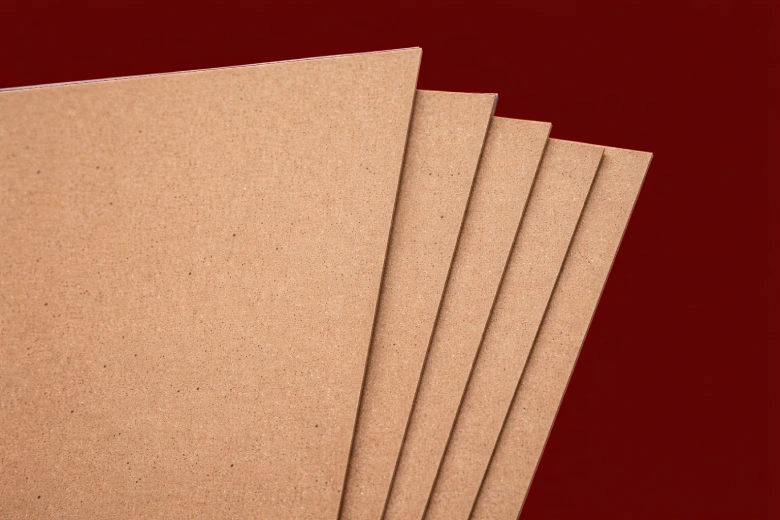
Chipboard is essentially the same kind as greyboard. However, this board comes in thinner, lower-density versions. Plus, plain chipboards might have a slightly rougher texture.
Finding the Right Board Thickness for Custom Rigid Boxes
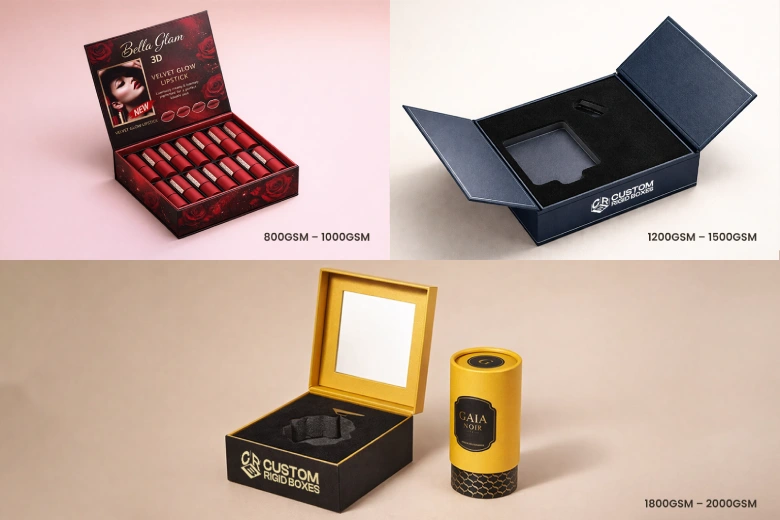
Discussing the board types means we should also talk about their thickness. In the packaging world, we measure strength in GSM (Grams per Square Meter). The higher the GSM, the thicker and more unbendable your rigid boxes will be.
Let’s have a look at the common board thickness used to design a rigid box.
- 800gsm – 1000gsm
This is the entry-level thickness for a premium feel without adding unnecessary bulk or shipping weight.
Best for: Cosmetic boxes for small items like lipsticks or lip balms, and lightweight apparel packaging boxes for scarves or ties.
- 1200gsm – 1500gsm
If you aren’t sure which to choose, this is usually it. Boards range from 1200 gsm to 1500 gsm and offer a satisfying “heft” and excellent structural integrity.
Best for: Electronic boxes, game boxes, and packaging for medium-sized corporate gifting.
- 1800gsm – 2000gsm
The boards ranging from 1800gsm to 2000gsm will feel like wood. It is extremely difficult to bend or crush, making it the go-to for designing luxury packaging with maximum protection.
Best for: Packaging heavy electronics (laptops), large glass bottles, and large hampers.
| Board Thickness | Feature | Best for |
| 800gsm – 1000gsm | A premium feel without unnecessary bulk or shipping weight | Small cosmetic boxes, lightweight apparel packaging |
| 1200gsm – 1500gsm | A satisfying “heft” and excellent structural integrity | Electronic boxes, game boxes, corporate gif packaging |
| 1800gsm – 2000gsm | Feels like wood and difficult to bend or crush | Packaging heavy electronics (laptops), large glass bottles, and large hampers |
Premium Paper Wrap Materials for Rigid Boxes
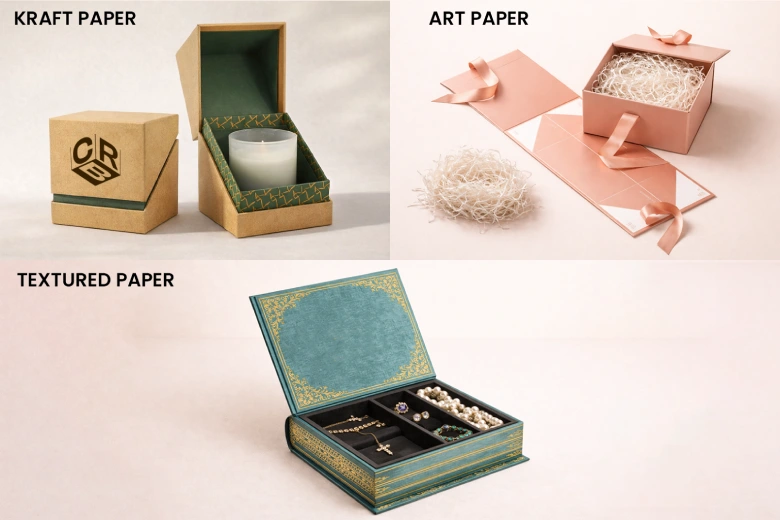
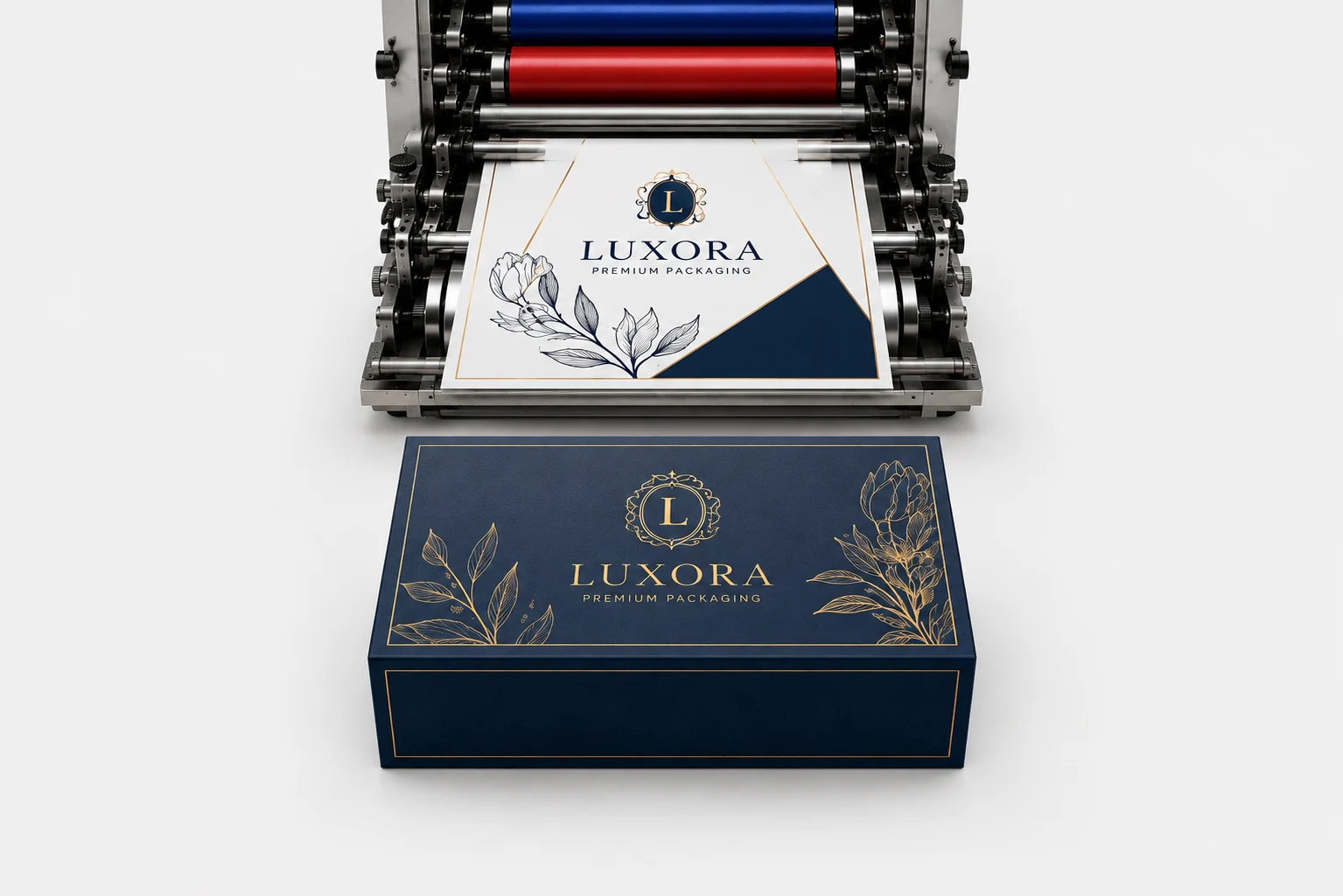
Both greyboard and chipboard are the skeleton; you cannot directly print on them. For perfectly printed rigid boxes where your branding truly shines, you will need the wrapping.
Here are the paper wrap materials you can choose from.
- Kraft Paper
Raw, earthy, and tactile. Kraft paper is perfect for brands that want to communicate “organic” or “handcrafted” values. This wrapping material is ideal for artisanal, luxury candle boxes and eco-conscious subscription boxes.
- Art Paper
Art paper is the best canvas to handle high-resolution printing, spot UV coatings, and vibrant colors perfectly. Choose art paper if you need razor-sharp graphics and photographic detail on macaron boxes or influencer PR packaging.
- Textured Paper
Think linen, leatherette, or embossed patterns. Texture papers appeal to the sense of touch before the customer even opens your rigid packaging box. Go with textured paper when you need high-end jewelry boxes or limited-edition book boxes.
| Wrap Material | Feature | Best for |
| Kraft Paper | Raw, earthy, and tactile | Candle boxes, eco-conscious subscription boxes |
| Art Paper | Ideal for sharp graphics and photographic detail | Macaron boxes, influencer PR packaging |
| Textured Paper | Smooth to the touch | Premium jewelry boxes, limited-edition book boxes |
Inside the Rigid Box: Protective Insert Materials
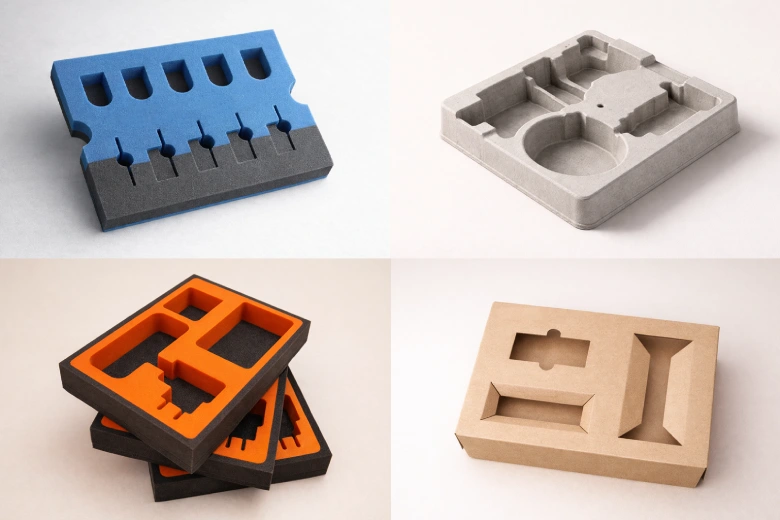
When it comes to delivering a touch of luxury, what’s on the inside counts just as much as the outside. Inserts are the ones that keep your products safe and create a “theatrical” unboxing experience.
What types of materials should you choose for the inserts?
- EVA Foam Inserts
High-density, firm, and sleek. EVA foam inserts can be precision-cut to the exact shape of your product. Choose custom boxes with EVA foam inserts when you need to pack fragile electronics, heavy glassware, or luxury tool kits.
- PU Foam Inserts
PU is another type of foam packaging. It comes in softer and more sponge-like than EVA. PU foam is the most excellent choice for cushioning lighter items that need soft protection, such as jewelry, porcelain, and light cosmetic jars.
- Cardboard Inserts
Cardboard inserts are the most eco-friendly option. They can be folded or die-cut to create ideal compartments. Choose them for skincare sets, apparel accessories, and items where plastic-free packaging is your brand’s priority.
- Molded Pulp Inserts
Molded pulp inserts look like egg cartons, but are more refined. They are made from recycled paper and are 100% biodegradable, making them perfect for high-tech packaging and heavy-duty industrial components.
The Checklist: How to Choose the Right Options?
Considering the board types, thickness, and the wrapping materials, you might be confused about which one is actually great to create a rigid box.
Here’s the checklist you should consider.
Product Protection
Think about how heavy your product is. Does it have sharp corners that might puncture a thin chipboard? If it does, then go with greyboard.
Brand Presentation
Do you want to present a minimalist vibe? Wrap your rigid boxes with kraft paper. On the other hand, to achieve a high-end look, choose art paper with foil stamping.
Shipping Requirements
Consider whether your boxes will be shipped individually or in a larger master carton. Thicker greyboard (1500gsm+) helps prevent crush and product damage during transit.
Sustainability
Do you target eco-conscious customers? If so, opt for cardboard or molded pulp inserts over foam.
Industry Best-Fit Recommendations
Brands across industries choose rigid boxes to present their products flawlessly. To compete and eventually win the market, your brand should do the same.
What type of rigid box board and wrapper should you choose according to the industry your business is in?
Jewelry & Watches
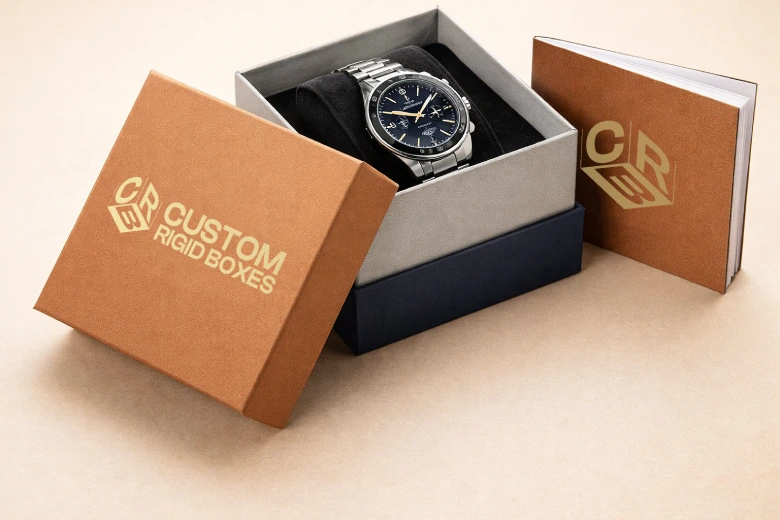
To create high-end watch boxes or jewelry packaging, choose 1200gsm (greyboard/chipboard). Then, wrap the boxes in textured paper, and include EVA foam to add the “expensive” look.
Cosmetics
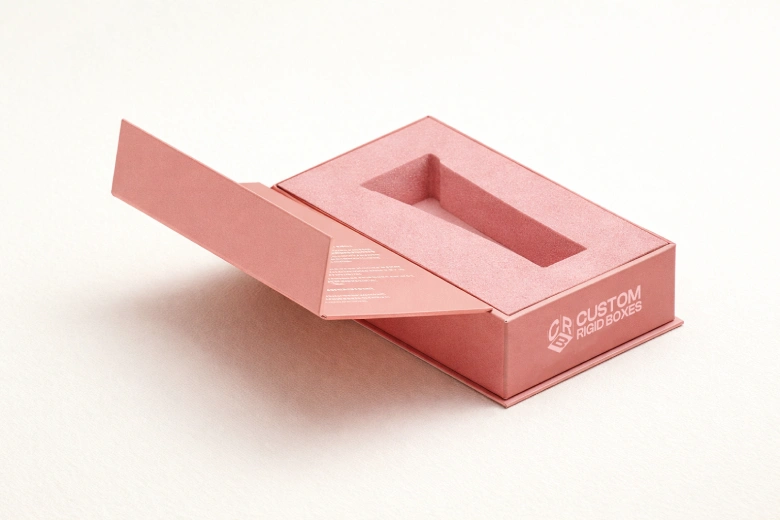
For makeup boxes or skincare packaging, opt for a 1000gsm chipboard. Wrap your boxes in art paper coated with matte lamination, and complete the interior with cardboard inserts.
Electronics
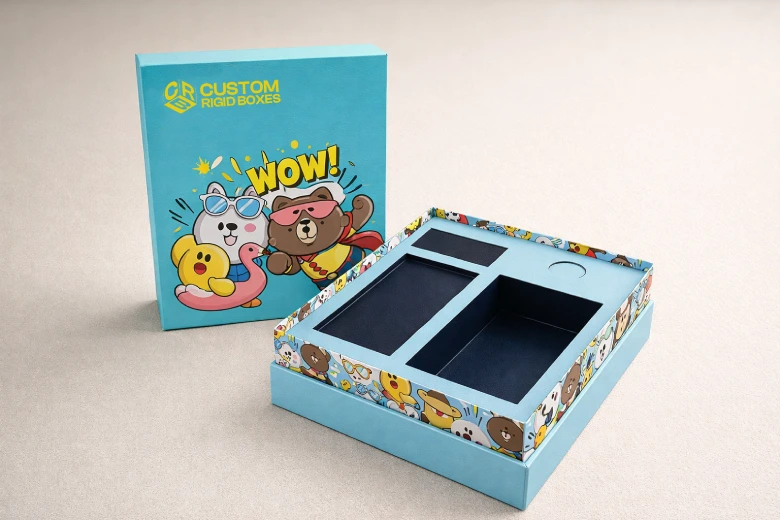
Sensitive electronic items need heavy-duty protection. When it comes to package electronics with rigid boxes, choose a 1500gsm greyboard. Consider wrapping them in art paper coated with spot UV, and protect your products better with EVA foam inserts.
Food & Confectionery
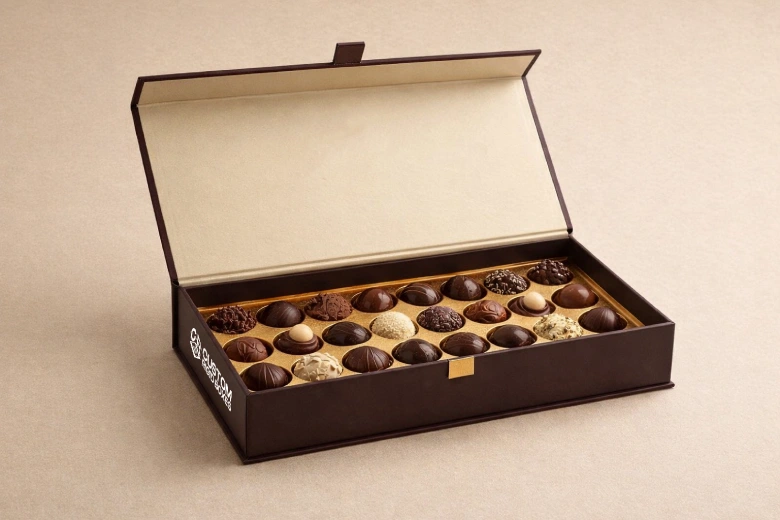
To make your gourmet food and confectionery look more delightful, opt for an 800gsm chipboard wrapped in food-grade kraft paper. If you’re presenting multiple confectionery items like chocolates, include die-cut cardboard dividers inside your chocolate boxes.
Gifts
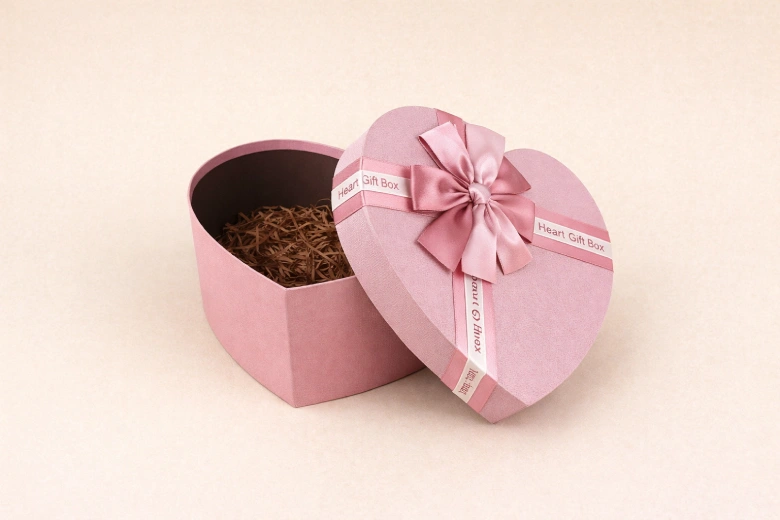
A 1200gsm greyboard beautifully wrapped in art paper and a ribbon closure—the perfect combination for customized gift boxes.
In Summary
At the end of the day, a perfect rigid box is a balance of strength (the board), style (the wrap), and security (the insert). By matching the board thickness to your product weight and the wrap material to your brand voice, you create a packaging experience that stays with your customers long after they’ve opened the box.
FAQs
What types of boards are used in rigid boxes?
The two main boards used as the core materials of rigid boxes are greyboard and chipboard.
What are the thickness ranges for rigid box boards?
The common board thickness used to design a rigid box includes 800 gsm – 1000gsm, 1200gsm – 1500gsm, and 1800gsm – 2000gsm.
What is the best wrap material for a rigid box?
You can choose from kraft, art, or textured papers for wrapping a rigid box.
Do rigid boxes come with inserts?
Rigid boxes can be included with EVA foam, PU foam, cardboard, or molded pulp inserts.