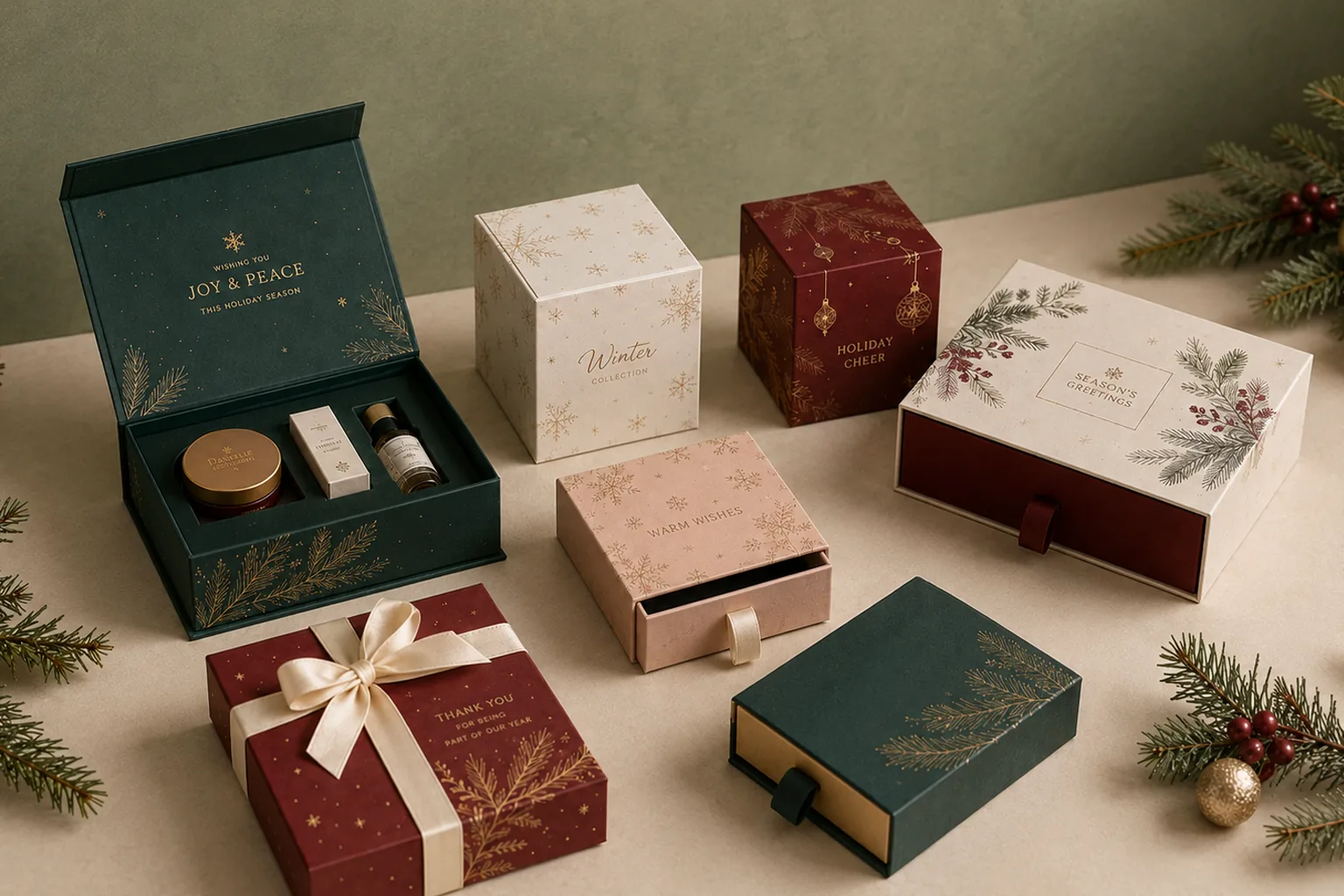
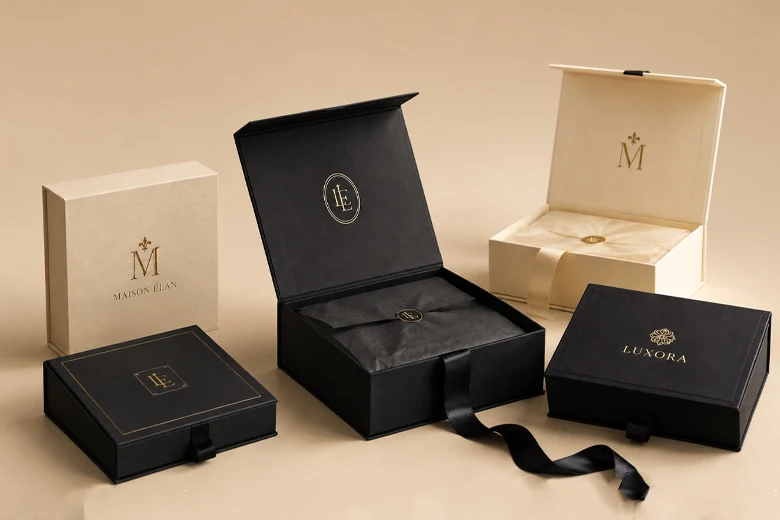
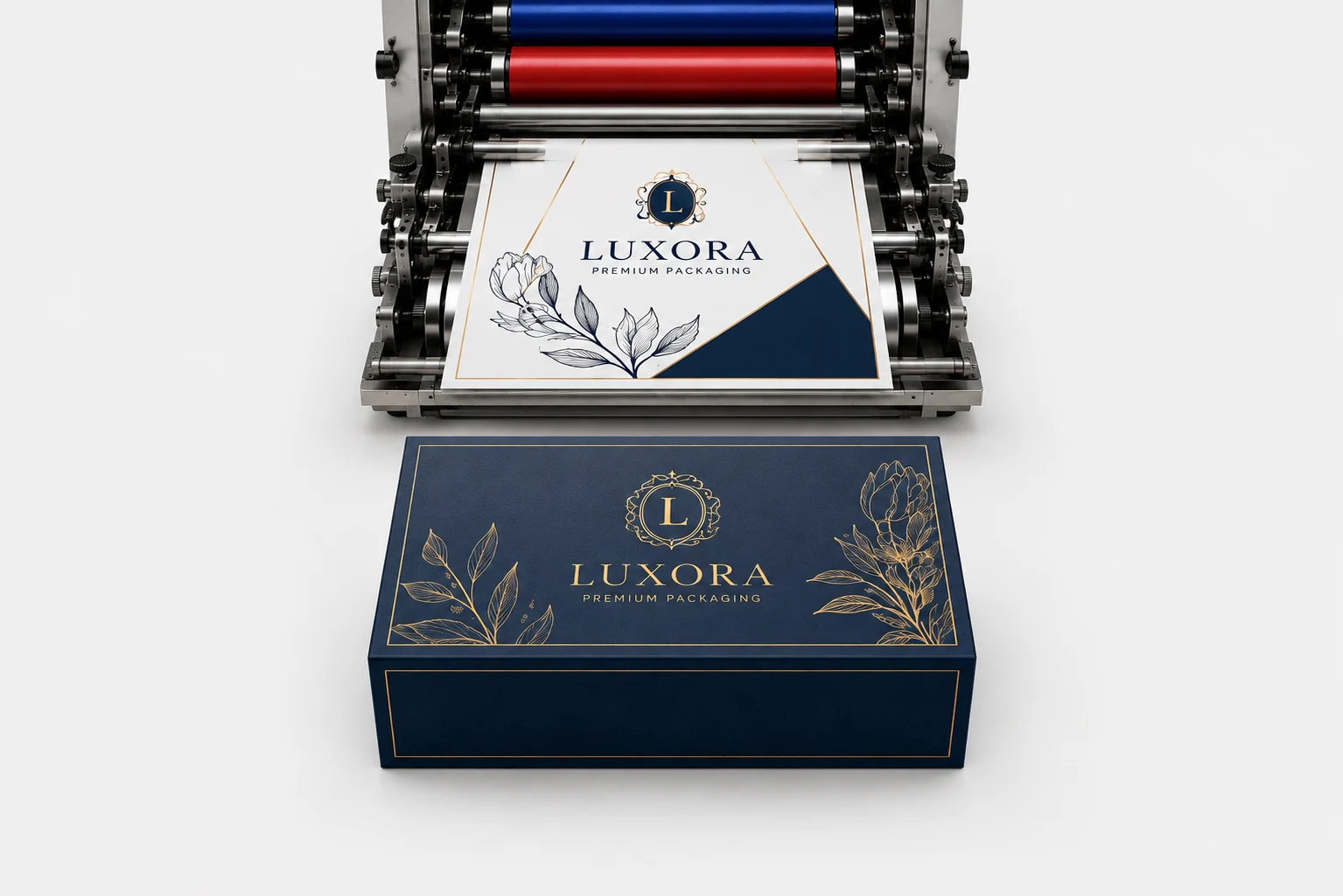
Speaking of the luxury market, the first thing a customer touches isn’t your product—it’s the packaging. In this context, we all know that custom rigid boxes have set the standard. Whether you’re launching a high-tech gadget or a precious jewelry masterpiece, these boxes are all you need to stand out. Accordingly, designing a custom rigid box is an investment in your brand’s story. It’s the difference between a “product” and an “experience.”
But how is a custom rigid box designed? Here’s a step-by-step guide to understanding how this premium box is created.
What is a Rigid Box?
First, what is a rigid box?
A rigid box, often called a “set-up box,” is a sturdy packaging solution made from high-density rigid stock (greyboard/chipboard). This box is known for durability, protection, and a high-end feel.
Featuring a smooth texture and sturdy layouts, rigid packaging boxes have all the qualities to make them preferable as luxury packaging.
The Essential Materials in Rigid Box Production
Creating a masterpiece requires the right materials. A rigid box is a combination of structural strength and aesthetic beauty.
Before we go further into the steps, let’s review the materials used in rigid box production.
- The Core Structure
This is the “skeleton” of your box. It is typically made from greyboard or chipboard, with a thickness ranging from 1.2mm to 3.0mm. This thickness provides the weight and “heft” factor that customers associate with quality.
- The Outer Wrap
Since chipboard is visually plain, it is wrapped in high-quality kraft or textured specialty paper. The best part? This layer serves as a blank canvas for your branding and artwork.
Step-by-Step Rigid Box Manufacturing Process
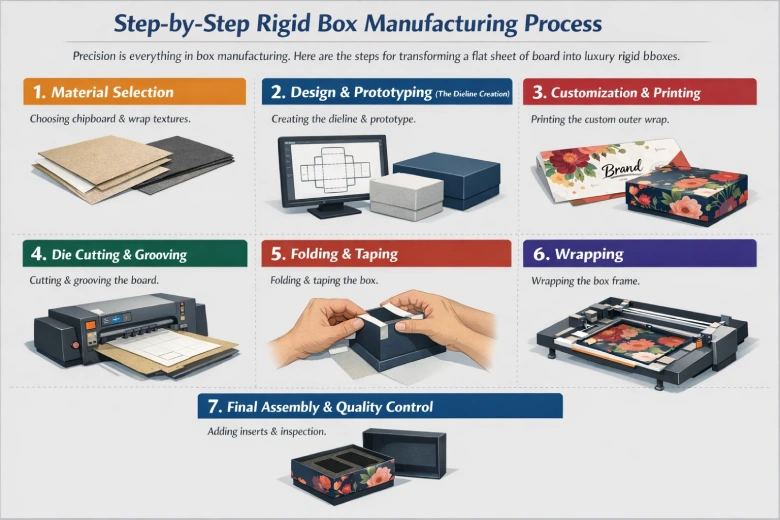
Precision is everything in box manufacturing. Here are the steps for transforming a flat sheet of board into luxury rigid boxes.
Step 1: The Material Selection
The first step is choosing the chipboard weight and wrap texture. Here, you must balance your product’s weight with the board’s thickness. This way, you can rest assured that your rigid box doesn’t warp.
Step 2: Design & Prototyping (The Dieline Creation)
Before mass production, a digital dieline is created. What is a dieline? It’s a digital template representing the flattened structure of a 3D box. In brief, a dieline specifies exactly where a machine should cut, crease, or glue the material.
Once the dieline is created, a physical prototype is made to test the box’s overall structure.
Step 3: Customization & Printing
Next, your artwork will be printed onto the outer wrap. All the customizations you need, like colors, images, text, and branding details, will be printed. Since the wrap is a separate sheet of paper, you can achieve much higher print quality and color accuracy than printing directly on thick cardboard.
Step 4: Die Cutting & Grooving
Once the printing is done, the large sheets of chipboard are cut into the box’s flat shape. “V-grooving” is often used to cut precise notches into the board, allowing it to fold at sharp 90-degree angles for a detailed, square look.
Step 5: Folding & Taping
In this stage, the flat chipboard is folded into its 3D shape. Meanwhile, the corners are secured with stay tape (a heat-activated, reinforced tape), creating a sturdy foundation for the box.
Step 6: Wrapping
With an automated machine, glue is applied to the outer wrap. Then, it will be carefully pressed over the chipboard frame. As a result, the edges are “turned in” over the top of the box for a clean finish.
Step 7: Final Assembly & Quality Control
In the final step, the box’s lid is paired with the base, and any internal inserts (EVA foam, silk, or cardboard) are added.
Each rigid box will then undergo strict quality control checks for glue spots, alignment, and structural integrity before being packed for shipment.
How Rigid Box Styles Impact the Manufacturing Process?
The steps above describe the design process of a rigid box. But we know that rigid boxes come in a variety of unique styles. Do different styles impact the manufacturing process? Yes, some unique styles require special “treatment.”
Let’s discuss the popular styles of custom rigid boxes and how they impact the manufacturing process.
Rigid Drawer Boxes
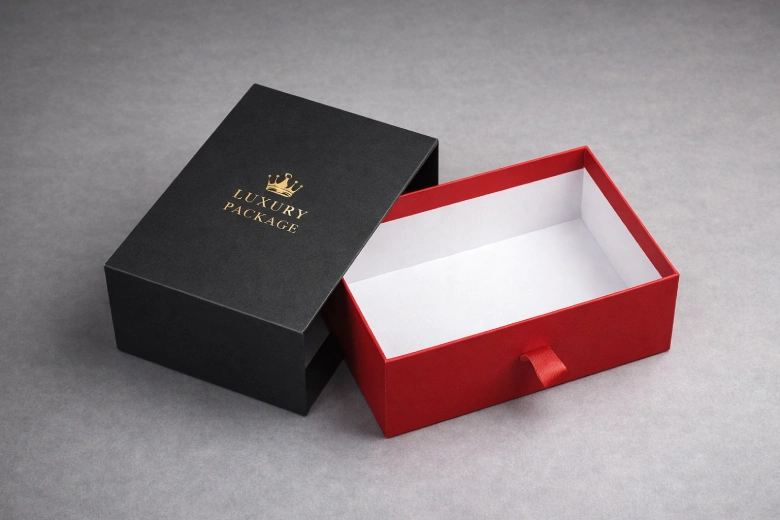
Rigid drawer boxes consist of a tray that slides out from a matching sleeve. They also often feature a ribbon pull or a finger notch. When manufacturing these boxes, the sleeve must be precision-built with tight tolerances to ensure the drawer slides smoothly—neither too loose nor too stuck.
Collapsible Rigid Boxes
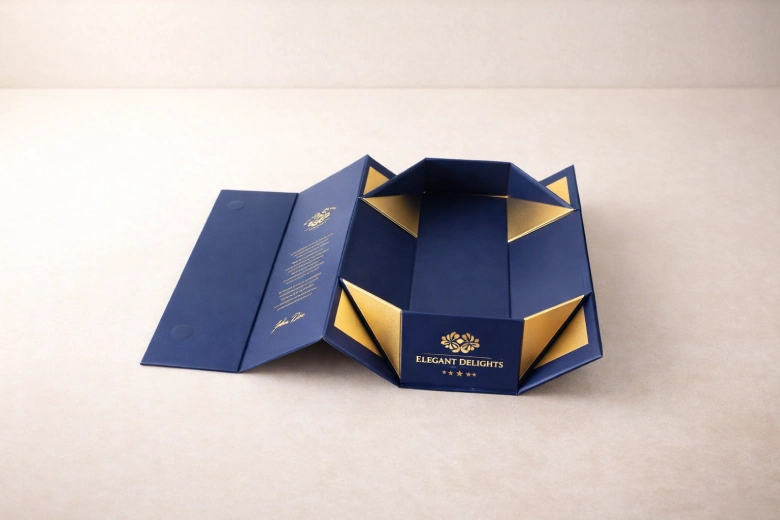
Collapsible rigid boxes feature high-strength magnets and adhesive strips, allowing them to be shipped flat and “popped” into a rigid shape. Specific scoring techniques are required in designing these boxes to ensure they remain sturdy once assembled.
Shoulder Neck Boxes
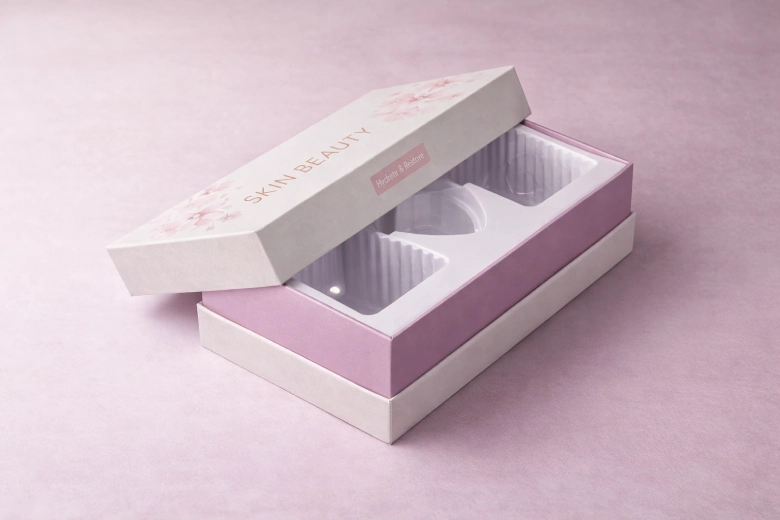
As the name suggests, shoulder neck boxes feature a three-piece construction: a lid, a base, and an internal “neck” or “shoulder” glued into the base. These boxes require precise alignment of the internal neck to ensure the lid fits snugly.
Magnetic Closure Boxes
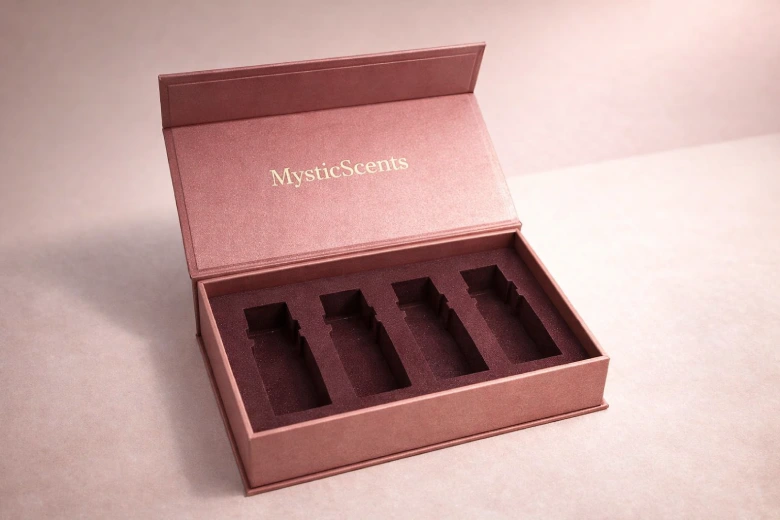
Magnetic closure boxes use a “flip-top” or “clamshell” lid that snaps shut using hidden magnets embedded within the chipboard layers. In the designing process, the magnets must be perfectly polarized and recessed into the board before the decorative wrap is applied.
Two Piece Rigid Boxes
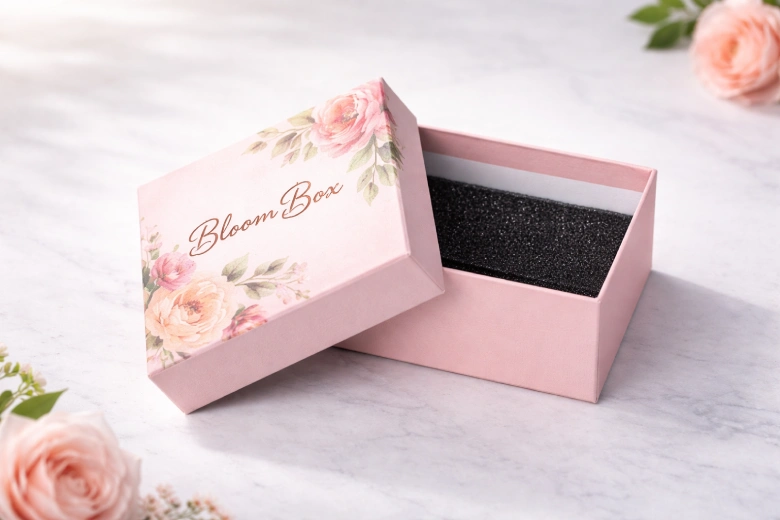
Two piece rigid boxes come with a top lid that partially or fully covers the base. The manufacturing process must focus on the “friction fit”—the air-cushion effect created when the lid slowly slides onto the base.
Book Style Rigid Boxes
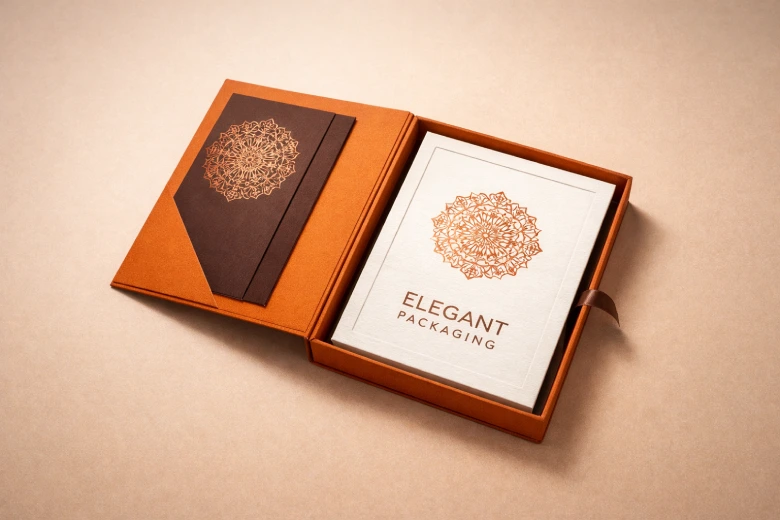
Book style boxes are designed to open like a hardcover book. The box “tray” is glued to a three-panel outer wrap (the spine, front cover, and back cover). When manufacturing these boxes, the spine must be flexible yet durable enough to withstand thousands of openings.
Custom Slipcase Boxes
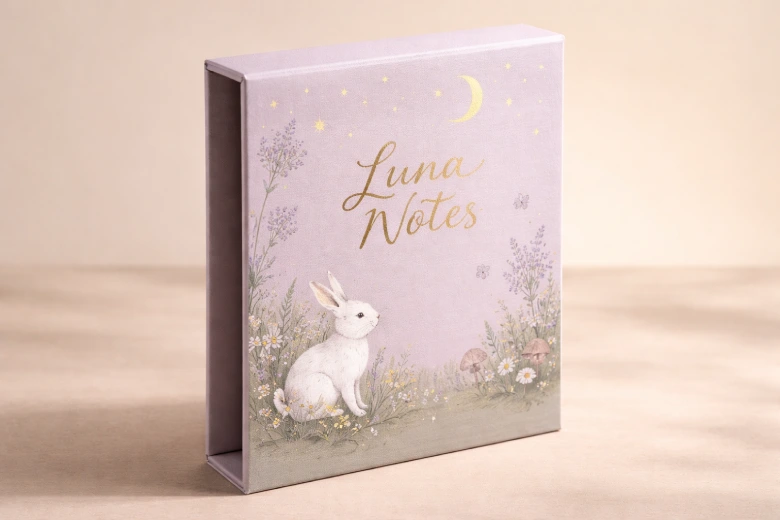
A slipcase box is a five-sided sturdy shell that protects an inner product or another box. It is open on one side to allow the product to be “slipped” inside. This box style requires extremely high-pressure lamination to prevent the case from bowing or warping over time, which could trap the product inside.
Custom Round Boxes
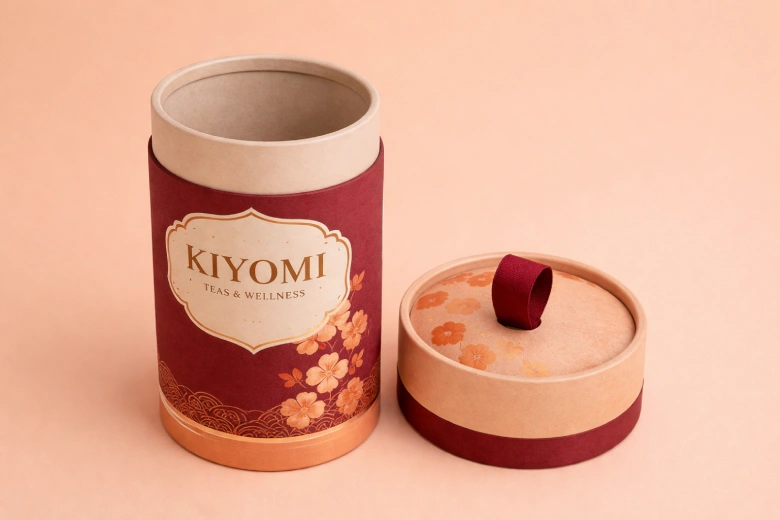
Unlike square boxes, custom round boxes are made using spiral-wound paper tubes or curved chipboard to create a circular shape. Thus, the wrapping process is more complex as the paper must be applied to a curved surface without wrinkling.
What Products are Best Presented in Custom Rigid Boxes?
Many brands across industries choose rigid boxes for valid, convincing reasons. These boxes guarantee ultimate product protection and the best presentation.
Moreover, one of the main benefits of using a rigid box is that brands can make a bold statement about the quality of their luxury products and their reputation.
So, what products are best presented in custom rigid boxes?
- Electronics
Smartphones, watches, and headphones will look more exclusive in electronic boxes made of rigid stock.
- Beauty & Perfume
High-end scents in premium perfume boxes and fragile glass skincare bottles in rigid cosmetic boxes signal quality. To make your cosmetics look more exclusive, don’t forget to check our post about the cosmetics packaging guide!
- Confectionery
Brands choose rigid stock to produce high-end chocolate boxes and elegant macaron packaging boxes.
- Fashion
Luxury belts, wallets, and silk scarves can all be presented beautifully in apparel boxes (again, made of high-quality rigid stock).
- E-commerce & Subscription
The durable, rigid stock is perfect for designing mailer boxes for e-commerce shipping or monthly subscription boxes.
Customization Tips for Rigid Boxes That Impress
Now that you learn how to design a custom rigid box, you might think that the process is already complicated, right? Is it possible to customize the box? Well, yes!
By partnering with an experienced rigid box manufacturer, you can customize your boxes and make them truly impressive.
Here are some customization tips to try out.
Choose from the Unique Styles
Don’t just go with a standard square. With various rigid box-style options, consider a modern drawer-style option or a magnetic closure to make every unboxing moment memorable.
Reflect Your Brand Identity Through Colors and Artwork
As we mentioned above, the outer wrap of rigid boxes serves as your branding canvas. So, make sure you apply your brand’s signature colors.
For example, if you’re an eco-friendly brand, use AQ coating, which is water-based. On the other hand, you can steal the spotlight by applying spot UV coating.
The Right Finish for the Right Box
The finishing options also matter. A soft touch lamination makes your box feel like velvet, while a high-gloss coating looks modern and sleek.
Make Your Brand Pop Up
If you aim for a luxurious brand look, choose gold or silver foil stamping. Or else, consider an embossed or debossed brand logo for a more exclusive look.
Include Add-Ons
Don’t forget the add-ons! Include EVA foam inserts, tissue paper, handles, ribbon pulls, or a simple personalized “thank you” card inside the lid to complete the experience.
Final Words
Designing a custom rigid box is an investment in your brand’s story. It’s the difference between a “product” and an “experience.” By following these steps and choosing the right styles, you ensure your rigid packaging boxes are as impressive as your products inside.
FAQs
What are the materials used to design a rigid box?
A rigid box is designed using high-density greyboard or chipboard, with a thickness of 1.2mm to 3.0mm, and then wrapped in high-quality kraft or textured specialty paper.
What are the steps of rigid box production?
Rigid box production steps include the material selection, design & prototyping, customization & printing, die cutting & grooving, folding & taping, wrapping, and final assembly.
Why do we need a dieline in designing a custom rigid box?
A dieline is essential in the rigid box design process as it specifies exactly where a machine should cut, crease, or glue the material.
Do different styles impact the manufacturing process?
Yes, some rigid box styles require special “treatment” in the manufacturing process.