Imagine receiving your jewelry order and opening the box to find the masterpiece cradled in a soft, velvet-like insert. Memorable, isn’t it?
Unboxing today has become a powerful branding tool. Of course, a luxury rigid box sets high expectations. However, the true magic happens inside. Speaking of which, what keeps your luxury items safe? What makes them look exclusive? The answer is packaging inserts. A custom insert elevates your product presentation. It creates an unforgettable experience that customers will love.
But there are different inserts out there. Which one is best? Let’s explore all the details about the types of inserts for rigid boxes.
What are Packaging Inserts?
Before we go further into the types, we should first understand what packaging inserts actually are.
In simple words, inserts are custom-fitted trays. They sit perfectly inside your boxes. The main goal is to hold your products firmly in place.
Beyond protection, inserts keep your valuable items from moving during transit. They also shield delicate components from impact damage.
And speaking of the presentation, inserts help you organize and present products beautifully. This is the main reason why luxury packaging relies heavily on custom inserts. They bridge the gap between safety and style, turning simple packages into premium brand experiences.
Types of Inserts for Custom Rigid Boxes
Every product requires a different level of care. Rigid boxes are compatible with many insert materials. Accordingly, each material brings unique advantages to your packaging design. Let’s explore the popular types of inserts for these boxes.
EVA Foam Inserts
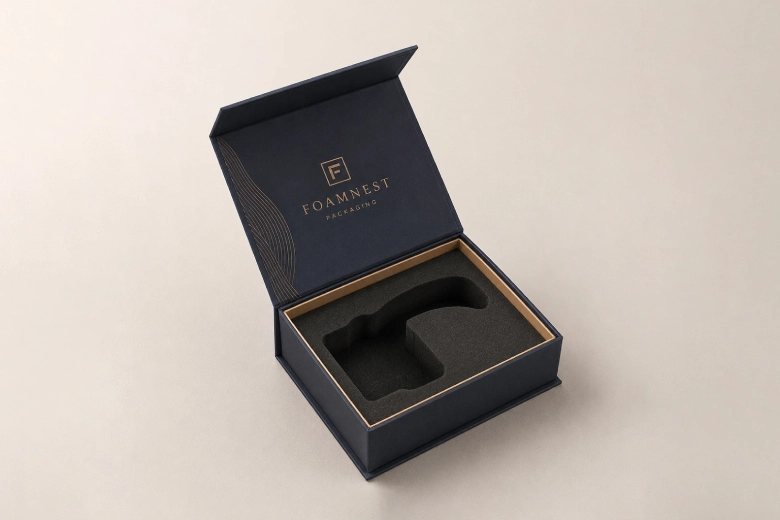
EVA (Ethylene-Vinyl Acetate) foam is known as the king of luxury packaging inserts. It has a high-density, closed-cell structure. This foam feels incredibly smooth, rubbery, and premium to the touch.
EVA foam inserts have perfect clean-cut edges, impact absorption, water resistance, and zero tearing. They are the best option for making watch packaging and electronic boxes look more high-end.
Polyethylene (PE) Foam Inserts
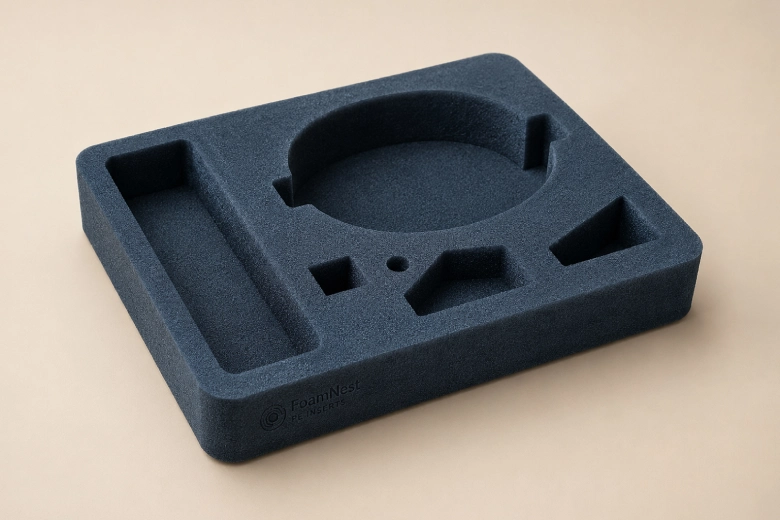
PE foam is a lightweight, durable cushioning material. It has a slightly rougher, more textured feel than EVA foam. This option provides excellent shock absorption for heavier, industrial, or technical items. With its medium density, this foam is cost-effective. Yet, it offers chemical resistance and a lightweight structure.
PE foam inserts are ideal for medical devices, camera lenses, hardware tools, and heavier tech gadgets.
Cardboard and Paperboard Inserts
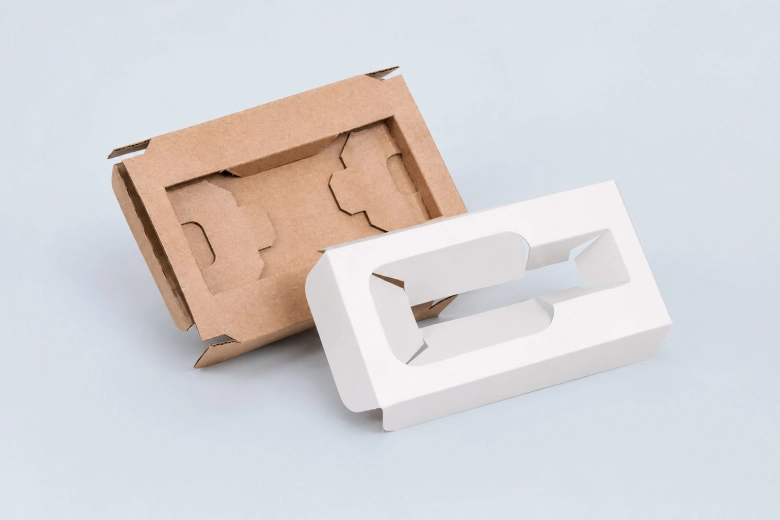
Paperboard and cardboard inserts offer a clean, structural look. They are die-cut and folded into custom platforms. These inserts offer moisture-resistant and good stacking strength.
Another great thing about these inserts is that they are highly printable, allowing you to add brand colors or instructions. Plus, they come lightweight and 100% recyclable.
Choose these inserts for secure cosmetic boxes, skincare kits, or PR packages.
Molded Pulp Inserts
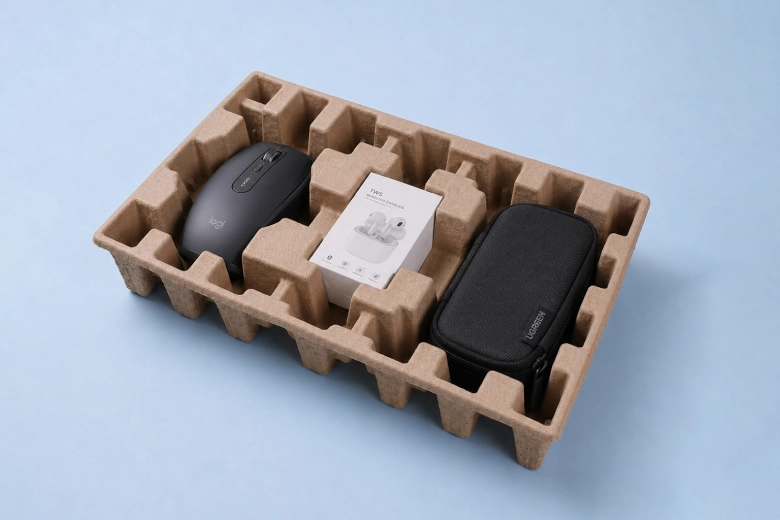
Molded pulp is made from recycled paper and fibrous materials. It is molded while wet into the exact shape of your product.
Molded pulp inserts offer a raw, textured, and earth-friendly look. They are biodegradable, highly shock-absorbing, and 100% eco-friendly. These inserts are all you need to keep your items safe in handmade candle boxes or organic kraft rigid boxes.
Fabric Inserts
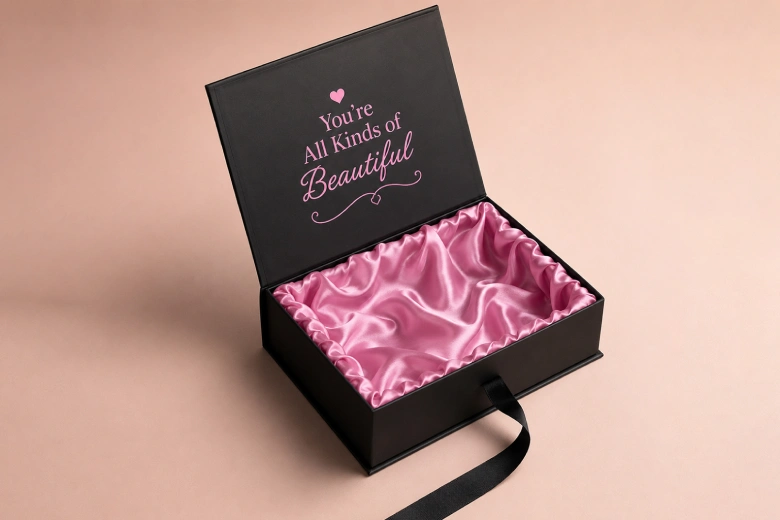
Fabric inserts scream pure luxury without even saying a word. They typically feature a sturdy cardboard base. This base is then wrapped in elegant satin, silk, or velvet fabric. The result? These inserts become highly resistant to tearing and scuffing. They offer a soft, tactile unboxing experience that protects items from scratches while creating a highly premium visual appeal.
Choose fabric inserts to make your jewelry boxes or gift packaging look more exclusive and adorable.
Types of Inserts for Rigid Boxes: A Quick Comparison
| Insert Type | Durability | Feature | Best for |
| EVA Foam | Impact absorption, water resistance, and zero tearing | Smooth, rubbery, premium |
|
| PE Foam | Shock absorption, chemical resistance | Rough, textured feel |
|
| Paperboard & Cardboard | Moisture-resistant, good stacking strength | Clean look, printable |
|
| Molded Pulp | Highly shock-absorbing | Raw, textured, earth-friendly look |
|
| Fabric | Highly resistant to tearing and scuffing | Soft, premium visual appeal |
|
How to Choose the Right Insert Material?
Many good options to choose from, right? But when it comes to making luxury packaging that actually sells, you need the right insert. And choosing the right packaging insert requires balancing some essential factors.
Let’s break it down.
- Product Weight & Fragility
Heavy or fragile items need maximum shock absorption. Choose high-density EVA or PE foam for electronics. Choose folded paperboard inserts only for lightweight, sturdy retail goods.
- Brand Aesthetic
Your packaging inserts must match your brand identity. If you are a luxury brand, go with EVA foam or fabric inserts (velvet or silk). For an eco-friendly look, opt for molded pulp or unbleached cardboard inserts.
- Budget
Foam and fabric inserts definitely require a larger initial investment, as they are added during the design of a rigid box, which uses pricier materials and molds. On the other hand, cardboard and paperboard inserts will keep your production costs low.
- Sustainability Goal
Modern customers care deeply about the planet more than ever before. If sustainable rigid box packaging is your goal, stick to molded pulp or 100% recyclable paperboard.
Why are Inserts Important for Rigid Boxes?
Brands across industries choose rigid boxes because they are tough on the outside. However, the interior needs support too. Packaging inserts are not optional extras; they are essential packaging components you should not overlook.
Here’s why inserts are important for custom rigid boxes.
They Provide Superior Protection
No more broken parts or scratched surfaces. Inserts lock your products securely into a fixed position. Even better, they absorb external shocks during harsh shipping journeys.
They Present Better
First impressions matter across all industries. Custom inserts arrange your products neatly. They ensure customers view them exactly as you want.
They Increase Your Product’s Perceived Value
Premium packaging justifies a higher product price tag. Beautifully crafted inserts tell customers they bought something valuable. Most importantly, the right inserts turn opening a box into a grand event that customers will always remember.
They Organize Better
Multi-piece product kits can look messy even in a luxury box. Packaging inserts give every component a dedicated home. They keep every item clean and separate.
Final Words
No doubt, custom inserts keep your valuable items from moving during transit. They also shield delicate components from impact damage. Most importantly, inserts bridge the gap between safety and style, turning simple packages into premium brand experiences.
Whether you choose EVA foam, PE foam, cardboard, paperboard, molded pulp, or fabric inserts, make sure you consider product weight & fragility, brand aesthetic, budget, and sustainability.
So, which insert do you think suits your rigid boxes best?
FAQs
What are packaging inserts?
Packaging inserts are custom-fitted trays to hold your products firmly in place. bridge the gap between safety and style, turning simple packages into premium brand experiences.
What are the types of custom inserts for rigid boxes?
Types of custom inserts for rigid boxes include EVA foam, PE foam, cardboard, paperboard, molded pulp, and fabric inserts.
Why inserts are important for custom rigid boxes
Inserts are important for custom rigid boxes because they provide superior protection, present better, increase your product’s perceived value, and improve organization.
How to choose the right insert material?
To choose the right insert material, consider product weight & fragility, brand aesthetic, budget, and sustainability.