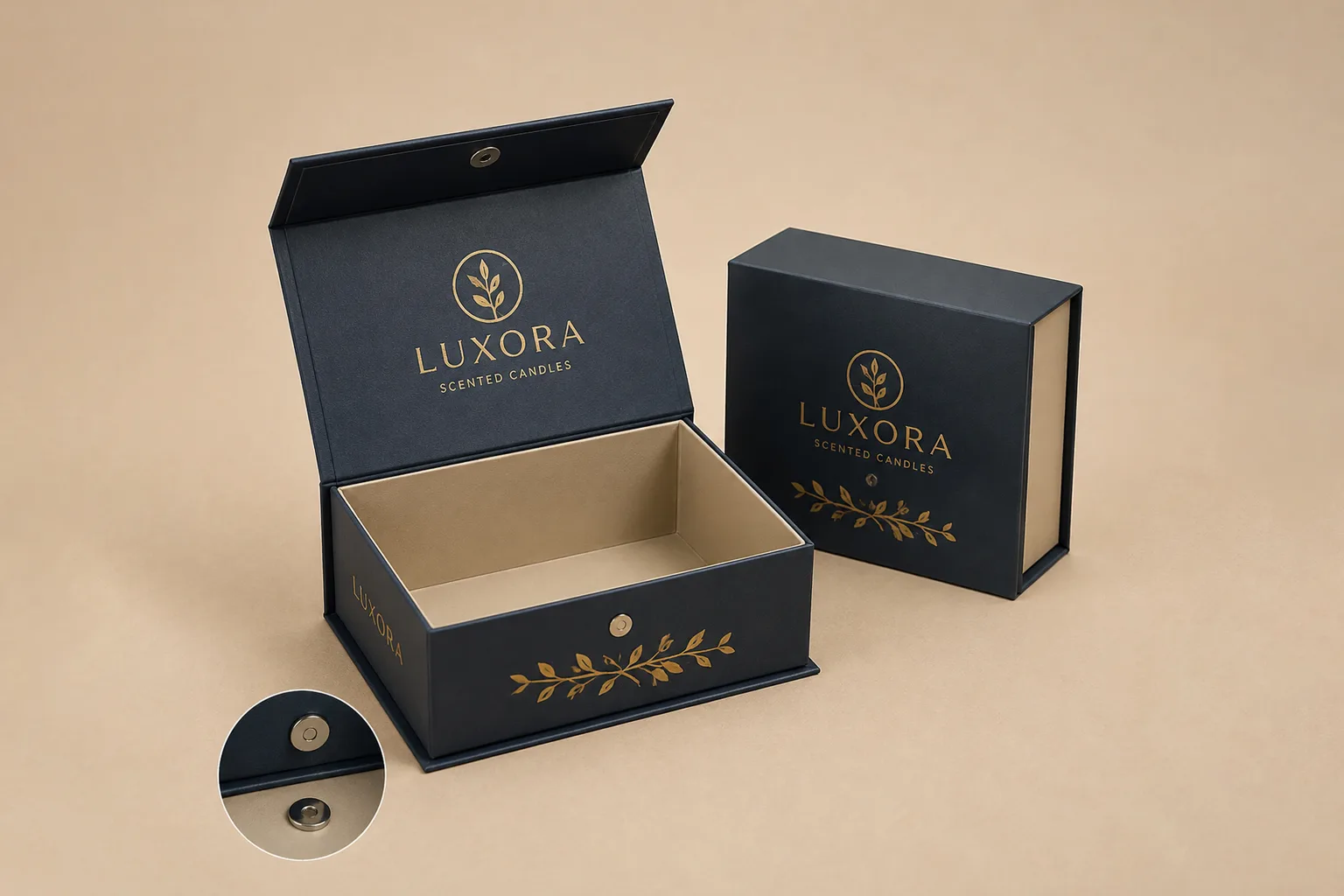
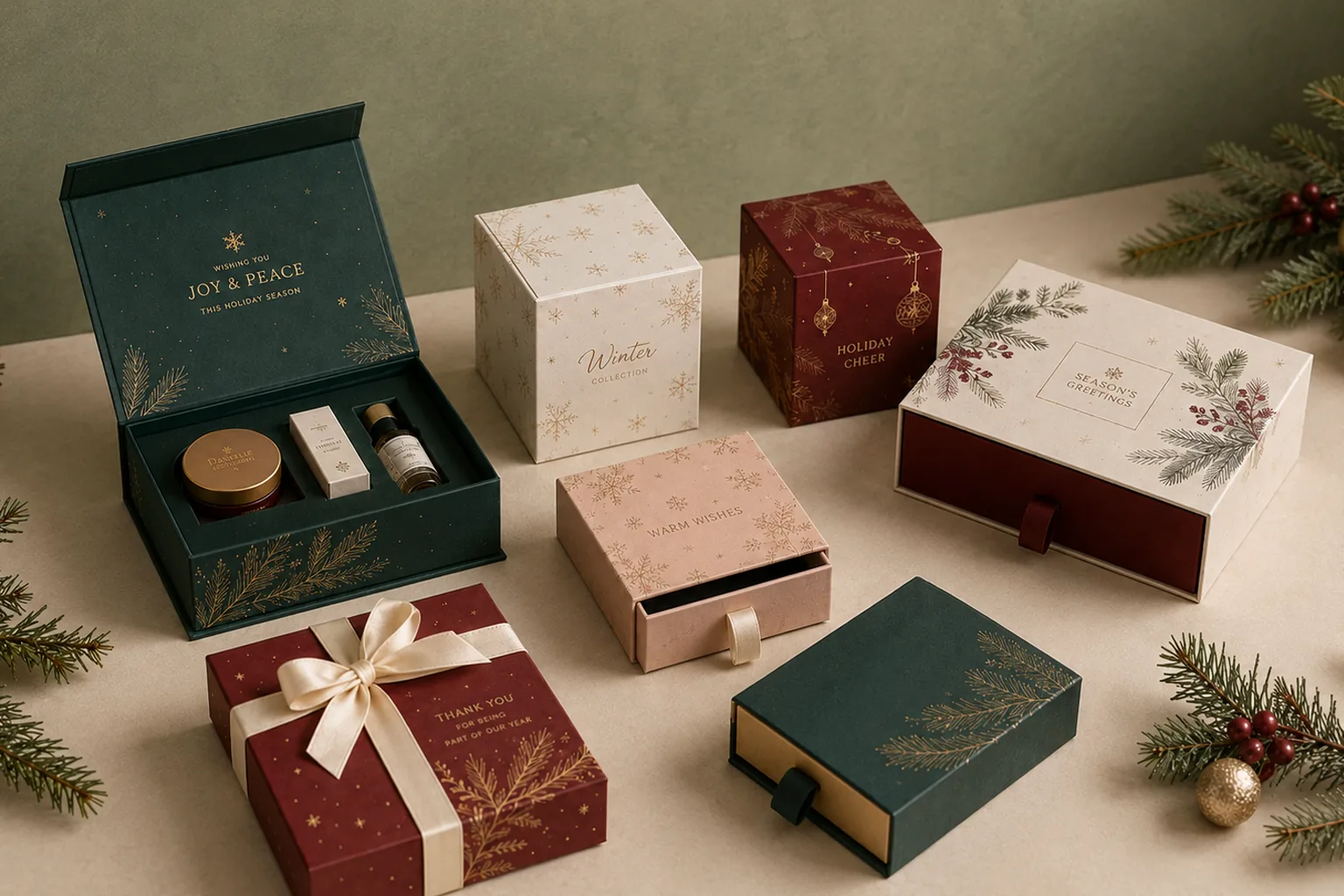
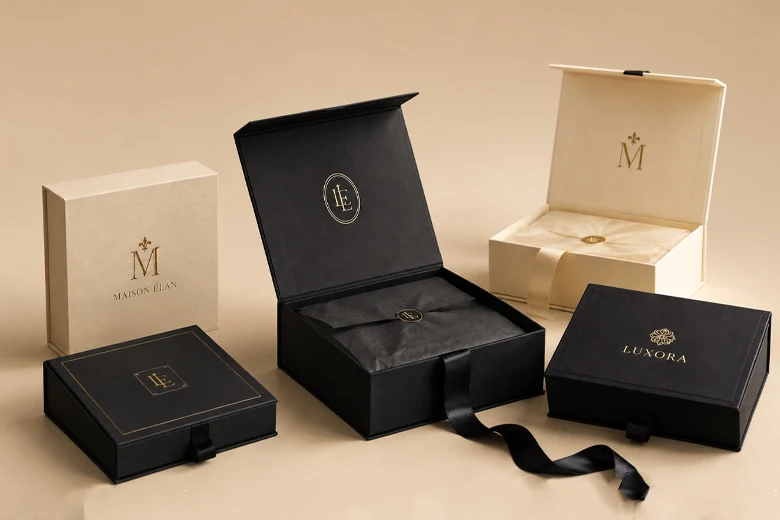
Who doesn’t like to open a luxury package? You know, that sturdy, “thunk” sound of a heavy lid and finding a high-end product cradled in velvet foam inserts. Well, that box you were or are holding is a rigid box. Every corner of the box screams luxury. And that’s just one of the main reasons for businesses to use it.
Rigid boxes today are no longer just a sign of quality—they are becoming a statement of values. But as environmentally conscious movements trended across the board, luxury and sustainability felt like opposites. It is quite obvious; luxury meant “more,” while sustainability meant “less.” So can these boxes be eco-friendly and sustainable?
Here’s the good news: innovations in the packaging industry have made everything easier now. Luxury brands today don’t have to sacrifice a premium feel to protect the planet. Instead, there are eco-friendly options for making sustainable rigid box packaging. How? Let’s explore the details.
What is Sustainable Packaging?
First, let’s know what sustainable packaging actually means.
Generally speaking, sustainable packaging is a lifecycle approach. This packaging is sourced, manufactured, transported, and recycled using renewable energy and clean production practices.
In simple words, it is not just about the box itself; it’s about ensuring the entire process. From the forest to the customer’s front door, it should leave the smallest possible footprint.
How about Eco-Friendly Packaging?
Eco-friendly packaging focuses specifically on the “ingredients” and the “afterlife.” This means that to be truly eco-friendly, a box should be biodegradable, recyclable, or reusable. Also, it needs to avoid harmful chemicals, reduce waste, and use materials that the earth can easily reclaim without leaving toxic residues behind.
Now the big question: Is eco-friendly packaging the same as sustainable packaging?
Here is the explanation.
As we mentioned above, eco-friendly packaging focuses on reducing immediate environmental harm (biodegradable, recyclable). On the other hand, sustainable packaging is a broader term encompassing environmental, social, and economic factors throughout the entire lifecycle.
In short, eco-friendly is about the what, sustainable is about the how and why.
Eco-Friendly Innovation in the Luxury Rigid Box Market
Alright, now back to the main topic, can rigid boxes be eco-friendly and sustainable?
The luxury market is currently leading a “green revolution.” We are seeing incredible innovations, such as:
- Rigid boxes made from agricultural waste.
- Inserts made from mushrooms (mycelium) instead of plastic foam.
Today, the way luxury brands present their products in rigid boxes has become a competition to see who can be the most innovative with earth-first materials.
Modern Rigid Box Packaging: Combining Luxury and Eco-Friendly
Modern rigid boxes prove that you can have the best of both worlds. By using clever engineering, many manufacturers are creating collapsible versions that ship flat to reduce carbon emissions, then pop into a sturdy shape for customers. This blend of smart design and premium materials ensures the “unboxing experience” remains premium while keeping the carbon footprint low.
But there is more about combining luxury and eco-friendliness through rigid boxes. Let’s see how these high-end boxes can be a sustainable packaging option your business is looking for.
Durable, Recyclable Materials
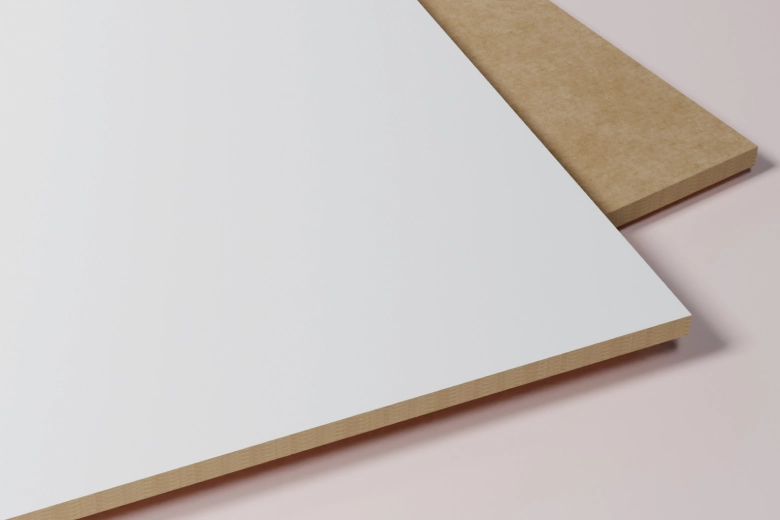
The “bones” used to design a rigid box are usually made from greyboard or chipboard. Both types of boards are dense, sturdy materials made from 100% recycled paper fibers.
- Greyboard: Provides the structural integrity and heavy-duty feel.
- Chipboard: Offers a smooth surface for printing.
And to make it even more sustainable, greyboard can today be made from agricultural waste such as straw, rice husks, and vegetable leftovers (tomatoes, paprika).
Trendy Styles That Encourage Reusability
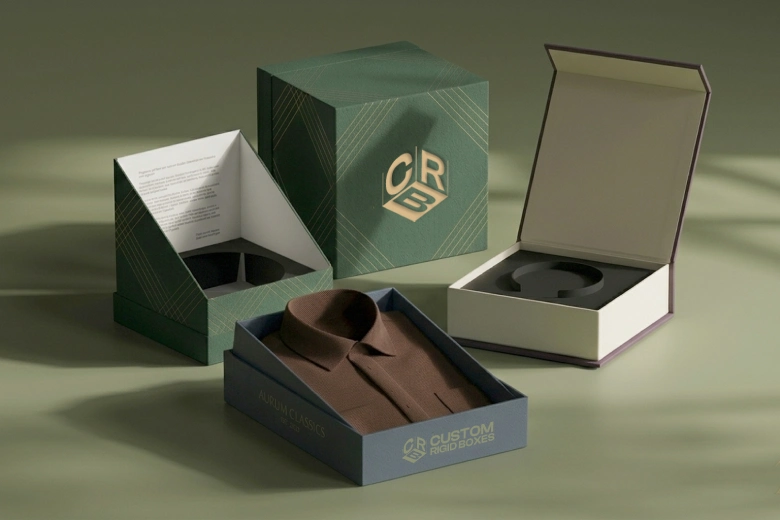
Another sustainable factor is that the box comes in a variety of trendy styles.
We can mention magnetic flip-top and drawer style here. They look so beautiful and sturdy that customers rarely throw them away. And don’t forget the shoulder neck, clamshell, or the classic two-piece boxes. They often end up as stylish organizers for stationery, jewelry, or photos.
By encouraging reusability, custom rigid boxes reduce packaging waste that harms landfills.
Safer Transportation = Greener Supply Chain
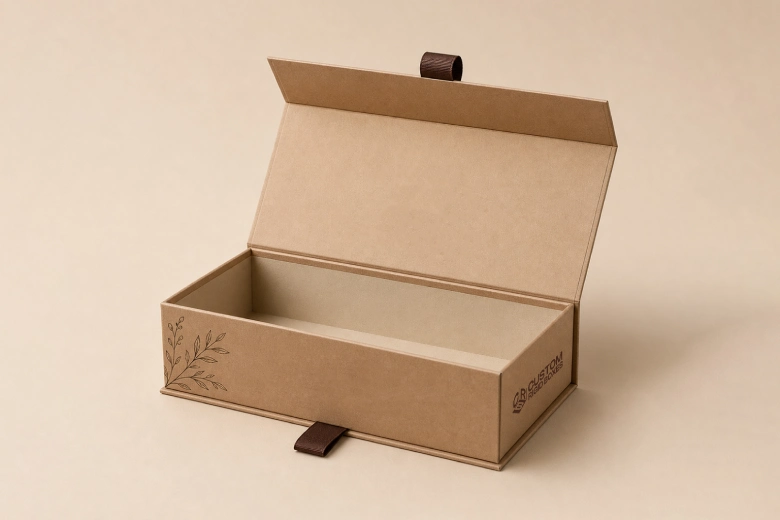
It might sound paradoxical, but a heavier box can be greener. The thing is, every time a product is damaged and sent back, that item’s carbon footprint doubles.
A sturdy rigid box provides superior protection, which means fewer damaged products and fewer returns. By guaranteeing a safe first-time delivery, this box creates a more efficient, greener supply chain.
Minimalist Design Approaches
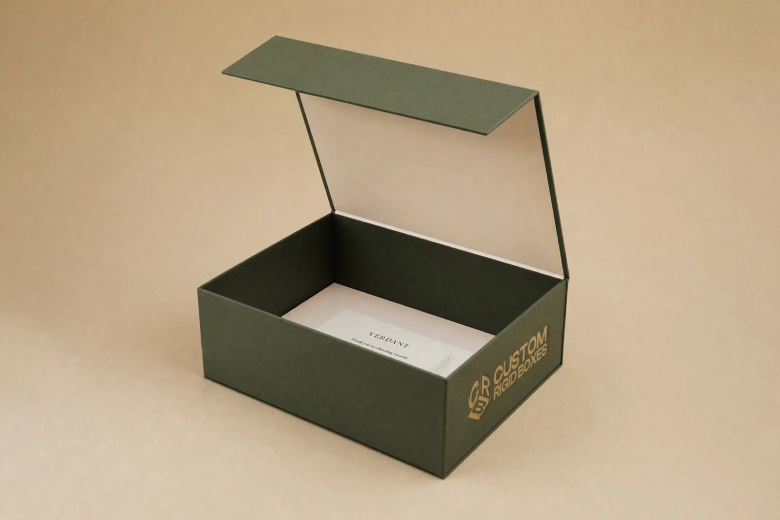
Modern luxury is moving toward “quiet” packaging. By being simple and minimalist, you deliver the kind of luxury that won’t sacrifice the planet.
Here are some minimalist design approaches you can and should try:
- Custom Sizing
Go with a standard rigid box size or make sure the box fits your product perfectly. By accurately measuring the box, you minimize the need for “void fill” (like plastic bubble wrap).
- Neutral Palettes
Apply the natural, earthy tones to present your brand’s “green” aesthetics. Alternatively, you can go with rigid kraft boxes made of raw, recyclable kraft paper.
- Simplicity
Choose an embossed or debossed logo; it looks more exclusive than crowded, complicated patterns.
Eco-Friendly Inks & Finishes
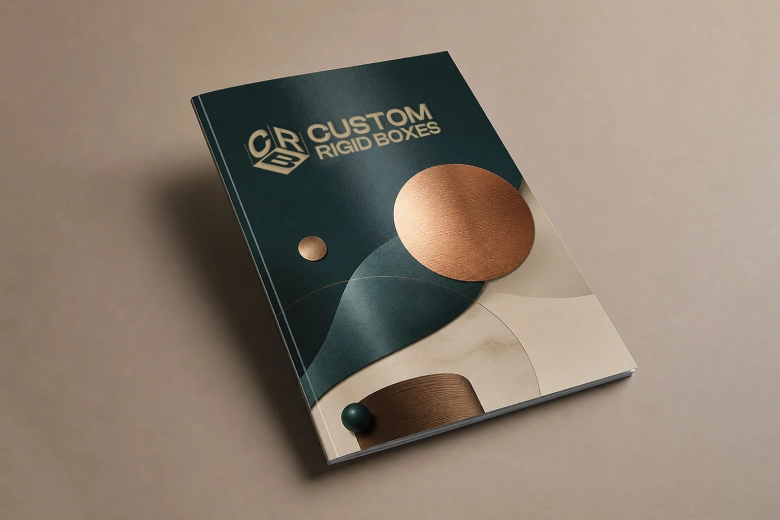
What are printed rigid boxes without inks and finishes, right?
Well, to make your boxes 100% recyclable, you can choose eco-friendly inks and finishes, such as:
- Soy and Vegetable-Based Inks: They provide vibrant colors without the petroleum-based toxins.
- Aqueous Coating: This water-based coating replaces plastic lamination and doesn’t interfere with the paper recycling process.
Certification and Compliance Standards
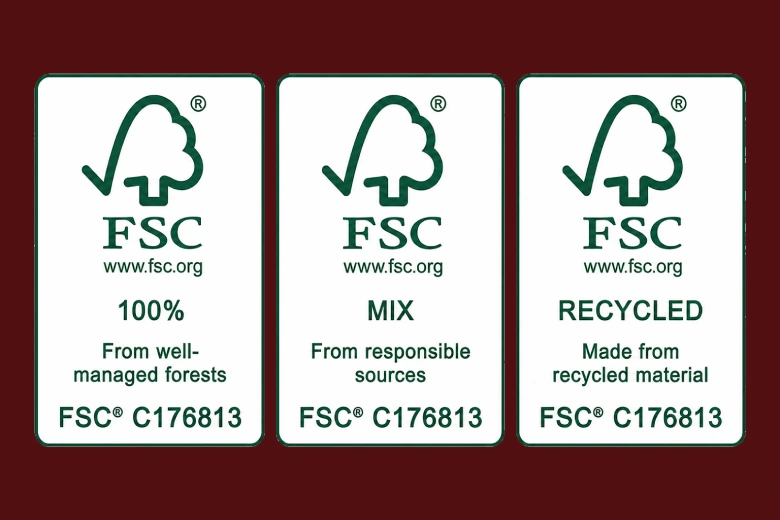
How do you know it’s actually sustainable? Look for the FSC (Forest Stewardship Council) seal, which ensures the paper comes from responsibly managed forests.
Other labels, like SFI (Sustainable Forestry Initiative) or PEFC, provide third-party evidence that the manufacturer isn’t just “greenwashing” but is actually adhering to strict environmental standards.
Why is Sustainable Luxury a Trend Now?
Are you still wondering why sustainable luxury is a trend now?
Well, the shift isn’t just about ethics; it’s about the market.
Here are the compelling reasons.
High Consumer Demand
Modern shoppers (especially Gen Z and Millennials) actively seek out brands that share their values. And as we know, these consumers focus on supporting environmental conservation and doing their best not to create any waste—all while purchasing luxury products.
The Strict Regulations
New laws on plastic waste and carbon reporting now apply across industries. To keep selling your valuable products in luxury packaging, your brand needs to adapt.
Maintaining a Reliable Brand Image
People perceive luxury today by mindfulness, not just excess. Thus, to maintain a reliable, responsible brand image, your business should focus on presenting luxury while minimizing environmental harm.
The Future of Luxury, Eco-Friendly Rigid Boxes
The future of eco-friendly rigid boxes is bright (and green).
We can expect to see more of:
- Monomaterial packaging (boxes made entirely of one material to make recycling effortless)
- Smart, rigid packaging that uses QR codes to tell customers exactly how to recycle or upcycle the box.
Overall, luxury, eco-friendly rigid boxes are a big move.
Final Thoughts
Indeed, innovations in the packaging industry have made everything easier. Luxury brands are proving that they don’t have to sacrifice a premium feel to protect the planet. Instead, there are eco-friendly options for making sustainable rigid box packaging.
Modern rigid boxes today combine luxury and eco-friendliness with recyclable materials, trendy styles that encourage reusability, safer transportation, minimalist design approaches, and eco-friendly inks.
So, have your business start using eco-friendly rigid boxes?
FAQs
What is sustainable packaging?
This packaging is sourced, manufactured, transported, and recycled using renewable energy and clean production practices.
Are rigid boxes recyclable?
Yes, the materials used to produce rigid boxes are 100% recycled paper fibers, making them environmentally friendly.
Are rigid boxes sustainable?
Yes, rigid boxes guarantee a safe first-time delivery, creating a more efficient, greener supply chain. Also, their trendy styles encourage reusability, making them eco-friendly and sustainable.
How to design eco-friendly rigid boxes?
To design eco-friendly rigid boxes, apply minimalist design approaches with custom sizing, neutral palettes, and focus on simplicity. You can also consider using eco-friendly inks and finishes.