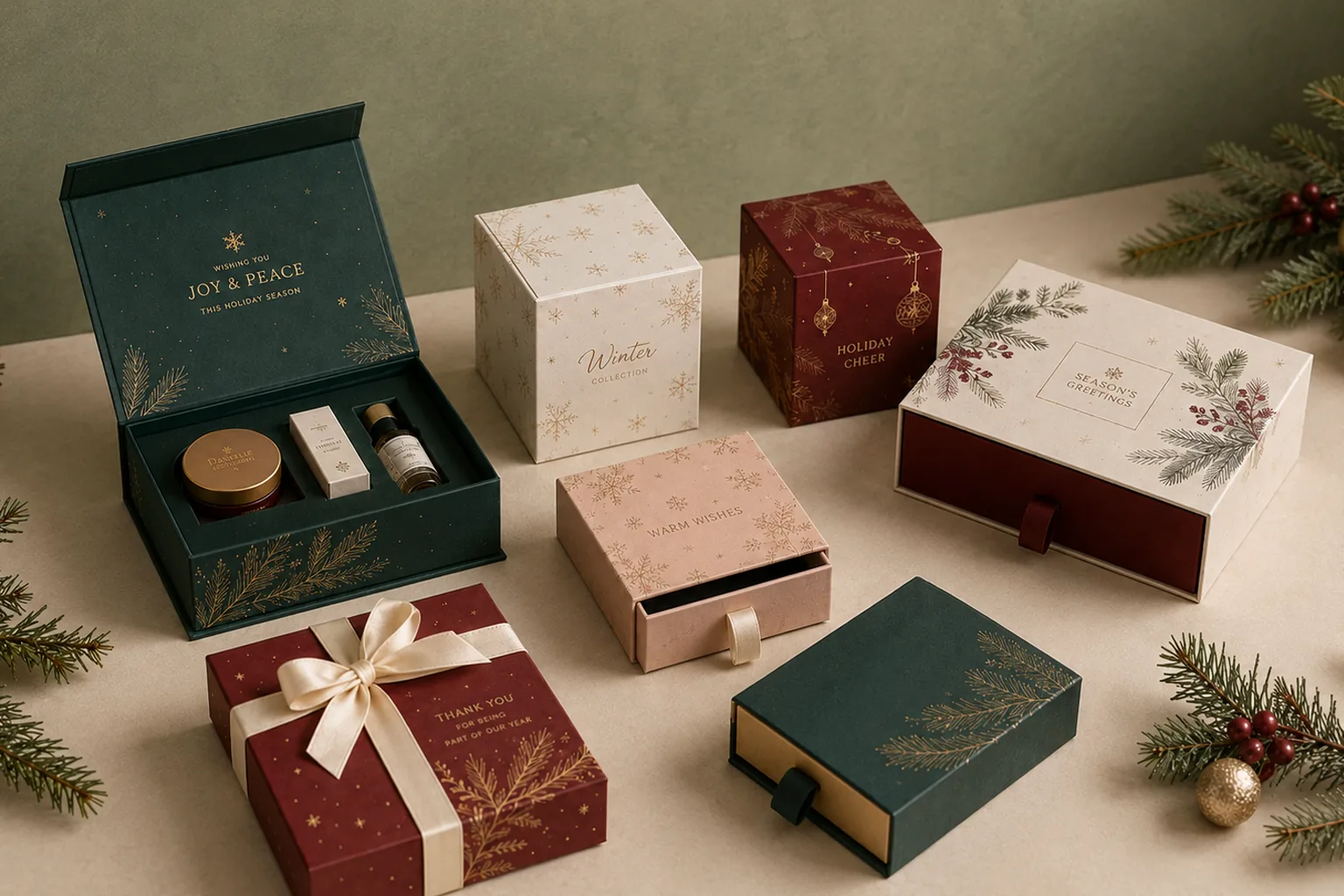
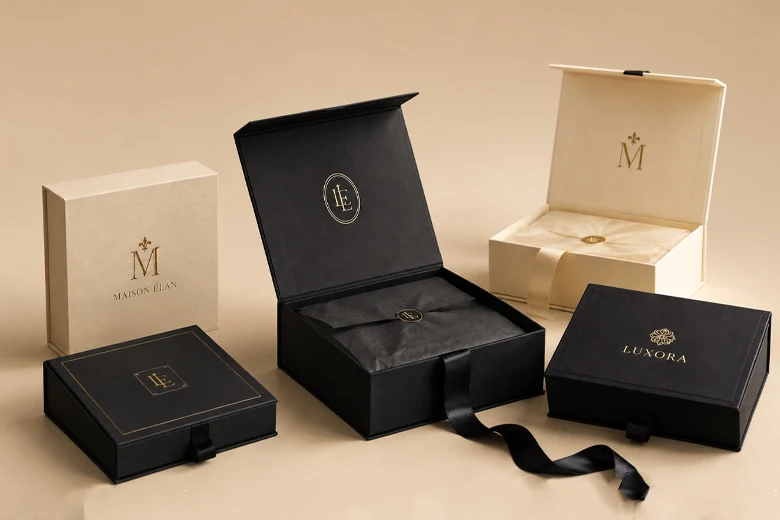
When you look at an exclusive box that presents a gift or the sleek back of a notepad, you are looking at chipboard. It is the invisible backbone of product packaging and crafting worlds. While it might look like simple thick paper, chipboard is actually a highly constructed material designed for strength, flexibility, and sustainability.
What actually is chipboard, and why do businesses choose it?
Let’s explore all the details.
What is Chipboard?
Chipboard is a high-density material made by compressing multiple layers of recycled paper fibers. Unlike standard paper, which is a single thin layer, chipboard is exclusively built up to create a solid, durable sheet.
In brief, this material is designed to provide structure without the heavy weight of wood or the bulk of weighty materials. This feature makes chipboard one of the options in creating luxury rigid boxes for high-end products that we have seen.
And because it is made from recycled materials like old newspapers, chipboard is often considered one of the most environmentally friendly options on the market today.
How is a Chipboard Made? The Paper Converting
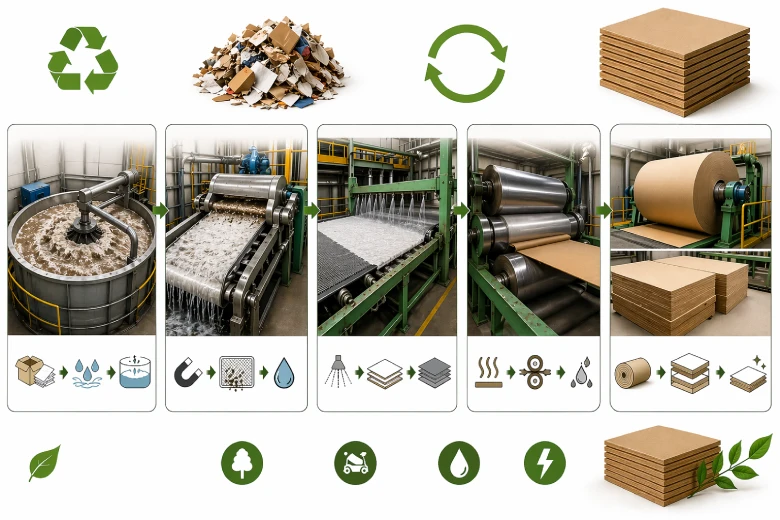
Now, let’s find out how this sturdy material is made. The transformation from old paper to a rigid stock is a fascinating process named “paper converting.” Interestingly, it follows a circular economy model that gives old waste a second life.
Here’s the complete process of chipboard manufacturing.
Pulping and Hydrating
First, recycled paper and cardboard are placed into a massive vat of water and agitated. This breaks the paper down into its core fibers, creating a thick, watery “slurry” (a thin, watery mixture of insoluble solid particles).
Purification
Next, the “slurry” passes through various screens and magnets. This step removes contaminants like staples, plastic tape, and old ink to ensure the final board is smooth and consistent.
The Layering Process
The clean pulp is sprayed onto a moving mesh screen. As the water drains away, the fibers begin to bond. Multiple layers are pressed together to reach the desired thickness.
Heat and Compression
The wet sheets travel through a series of heavy, heated steel rollers. These rollers apply thousands of pounds of pressure, squeezing out every last drop of water and “ironing” the board flat.
Finishing and Sizing
Once dry, the board is wound into massive rolls or cut into specific sheet sizes. Depending on the order, it may also receive a special coating (matte/gloss) for extra shine or moisture protection.
What are the Different Types of Chipboard?
Not all chipboard is built for the same task. Some manufacturers create different “grades” or finishes to suit different visual and structural needs.
Here are the various types of chipboard.
Natural (Plain) Chipboard
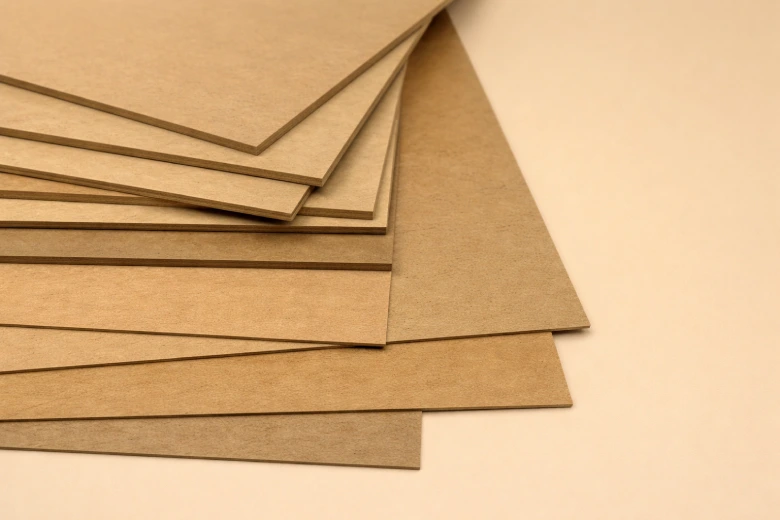
Plain chipboard has a rustic, unfinished look in shades of grey or brown. It is mainly used for industrial purposes, such as internal dividers in mailer boxes. Or else, you might find it used as a protective layer between stacked products.
White-Lined Chipboard (WLC)
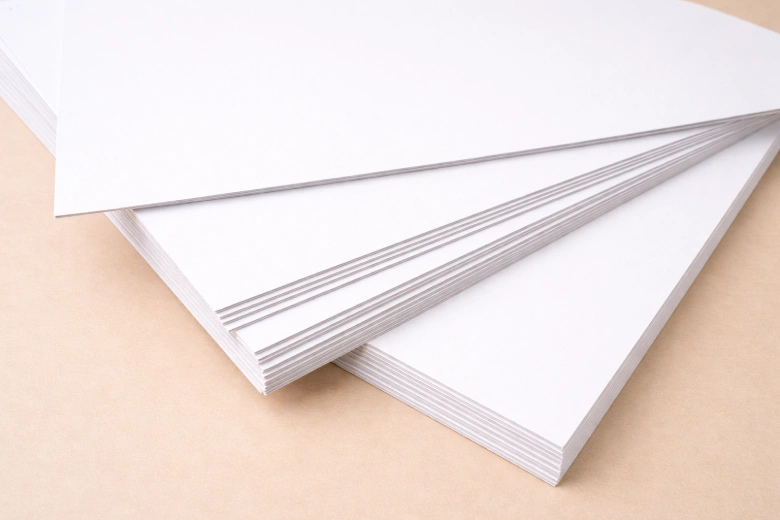
This WLC type features a thin, smooth layer of white paper or clay on one or both sides. This “liner” provides a clean, bright surface for high-resolution printing. This is exactly what you see on the shelves of a bakery store—vibrant, colorful macaron packaging or elegant chocolate boxes.
Dyed or Luxury Chipboard
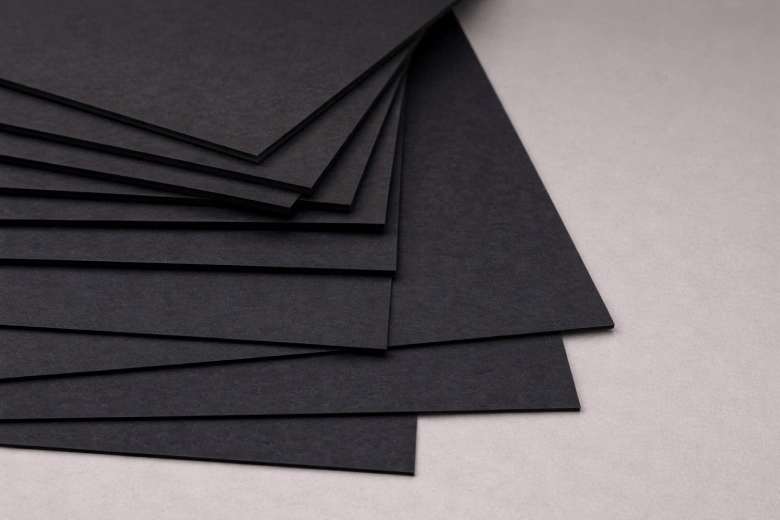
During the manufacturing process, pigments can be added to the pulp. This creates a board that is uniformly colored, such as deep black or navy blue. Dyed chipboard is quite popular for high-end packaging, such as jewelry boxes or premium electronics packaging.
Common Thicknesses of a Chipboard
In the chipboard industry, thickness is measured not in inches but in “Points” (pt). One point is equal to 1/1,000th of an inch. Depending on your needs, you can choose a chipboard with the right thickness.
What are the common thicknesses of a chipboard?
Lightweight (10pt to 18pt)
These sheets are thin and flexible. You can easily fold them by hand. They are ideal for lightweight packaging such as tea boxes, medicine cartons, and apparel tags.
Medium Weight (20pt to 35pt)
Chipboard within this range provides more “snap” and rigidity. You will find this thickness used for the stiff backing of legal pads, high-quality mailing envelopes, and folders.
Heavyweight (40pt to 60pt and up)
This thickness range makes chipboard very difficult to bend, and they feel almost like wood. Chipboard, which ranges from 40pt to 60pt, is one of the ideal boards used in rigid boxes (a popular packaging option for exclusive, high-end products).
This thickness range is also ideal for heavy-duty items like jigsaw puzzles, board game boxes, and the “bones” of hardcover books.
What Makes Chipboard Different from Other Materials?
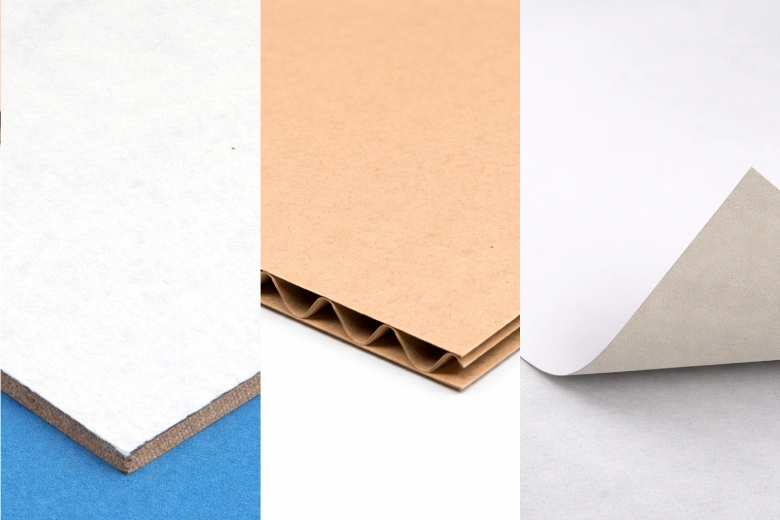
If you’re still confused about “corrugated” and “chipboard,” it is normal, as they offer almost the same benefits, and people use these terms interchangeably. However, they are two different materials.
What makes chipboard different from other material options?
- Chipboard vs Corrugated
To make it easier, corrugated is the most popular material to create shipping boxes. It comes with a wavy layer (fluting) sandwiched between two flat sheets, creating air pockets for cushioning.
On the other hand, chipboard is solid but lacks air pockets. This means that chipboard is much thinner and sleeker, yet still very strong.
- Chipboard vs Paperboard
Paperboard is actually the general, broader category of packaging materials. Chipboard is specifically the “recycled” version. While some paperboards are made from fresh wood pulp (virgin fiber), chipboard is almost always made from 100% recycled material.
Have a look at a comparison table below for a quick guide.
| Feature | Chipboard | Paperboard | Corrugated |
| Construction | Single-ply compressed paper | Single-ply premium paperboard | Three layers: 2 liners, 1 fluted core |
| Strength | High-density | Low to moderate | Crush resistance |
| Thickness | Low to moderate | Thin | Thick (due to flutes) |
| Printing Surface | Rough | Smooth | Moderate |
| Cost | Low | Low to moderate | High |
| Environmental | 100% recycled | Often recyclable | Easily recycled |
| Applications | Rigid boxes, board games, back cover | Lightweight packaging | Shipping boxes |
Industry Applications of Chipboard
Considering its qualities and excellent features, chipboard is a favorite in many industries.
Here’s the list of chipboard applications to note.
- Food & Beverage: Food businesses prefer chipboard for food boxes, cracker boxes, and beverage carriers.
- Retail & Gifts: Custom gift boxes, personalized perfume packaging, and rigid shoe boxes.
- E-commerce & Promotional: Mailer boxes, custom presentation boxes, influencer PR boxes.
- Office Supplies: Binders, clipboards, and the stiff dividers in filing cabinets.
- Hobbies & Crafts: Model making, scrapbooking, and custom postcards.
The Benefits of Chipboard
Although many industries prefer this material, you might still wonder why your business should choose it, right?
Let’s have a look at the benefits of choosing chipboard.
It Offers Extreme Cost Efficiency
Since the raw material is recycled waste, the production cost is much lower than that of plastic or metal. This makes chipboard the most affordable way to create luxury packaging.
It Provides Reliable Structural Performance
Even though it is thin, chipboard is incredibly tough. This material provides reliable structural performance to protect products from being squashed during stacking and storage.
Moisture Resistance
While basic paper hates water, chipboard can be treated with a specialized aqueous coating (a fast-drying, water-based, non-toxic finish, often used for its eco-friendly, recyclable, and cost-effective properties). The result? A packaging box that survives in humid warehouses without losing its shape.
It Has Incredible Flexibility
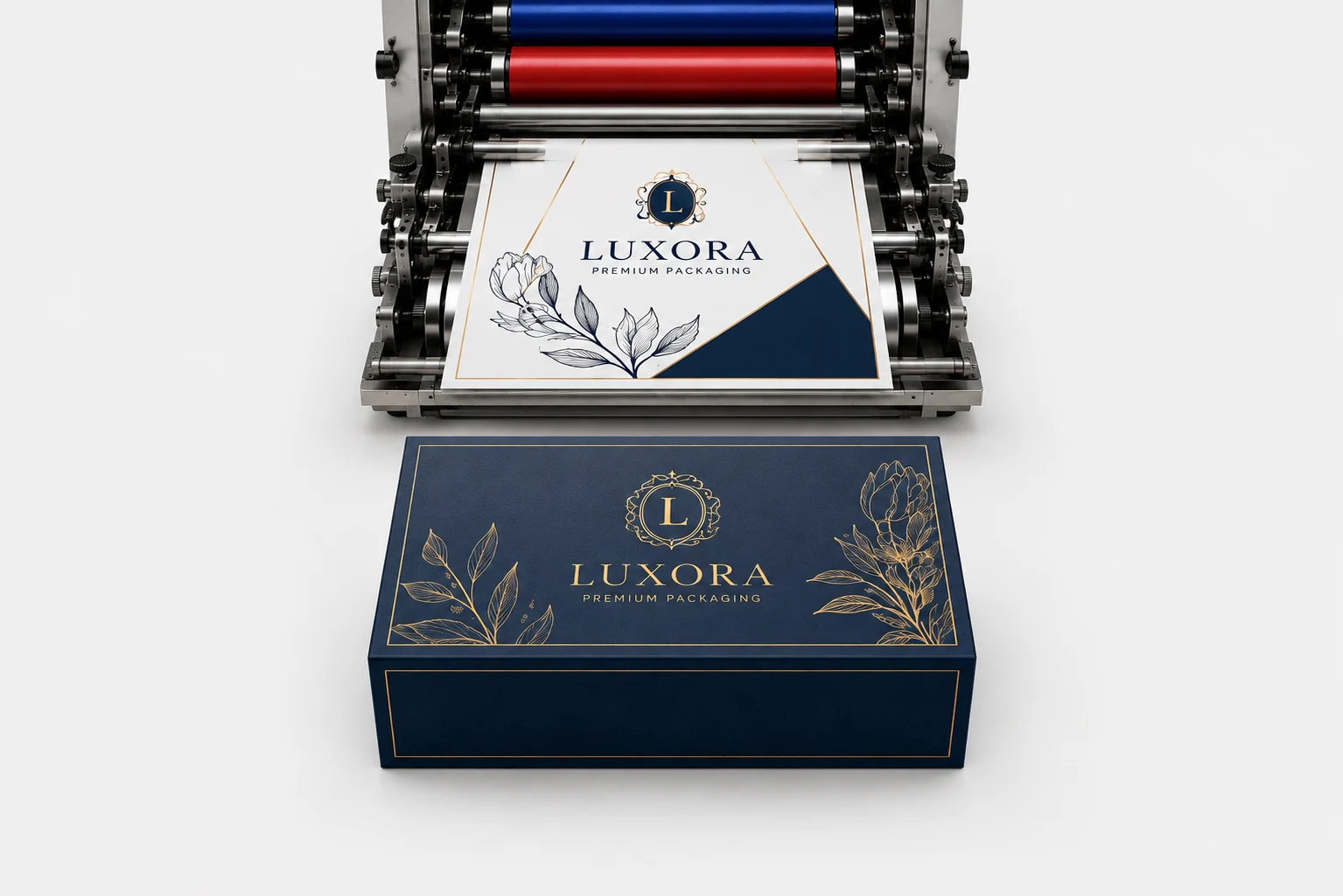
Chipboard is incredibly flexible. It can be glued, stapled, taped, or folded. You can also apply premium foil stamping or spot UV finish to give it a more expensive look for a fraction of the cost.
Moreover, chipboard can also be cut with extreme precision. Better yet, this material will not crush or collapse when you press down on it. This feature makes it easier for manufacturers to create unique, permanently shaped packaging, like lovely heart shaped boxes or trendy hexagon boxes.
It Supports True Sustainability
Using chipboard means your business supports the recycling industry. This material reduces the need to cut down new trees and is completely biodegradable at the end of its life.
Summing Up
Chipboard is more than just standard paper. It is a durable, professional, and earth-friendly material that solves a thousand different problems every day. Whether you are a business owner seeking the perfect rigid box packaging or an author looking for a high-end book cover, chipboard provides the strength and flexibility you need.
FAQs
What is chipboard?
Chipboard is a high-density material made by compressing multiple layers of recycled paper fibers. It is a single, thin layer, built exclusively to create a solid, durable sheet.
What are the common thicknesses of a chipboard?
Chipboard thicknesses range from lightweight (10pt to 18pt), medium weight (20pt to 35pt), and heavyweight (40pt to 60pt and up).
Is chipboard a sustainable material?
Yes, chipboard reduces the need to cut down new trees and is completely biodegradable at the end of its life.
What are the benefits of chipboard?
The benefits of chipboard include extreme cost efficiency, reliable structural performance, moisture resistance, incredible flexibility, and true sustainability.