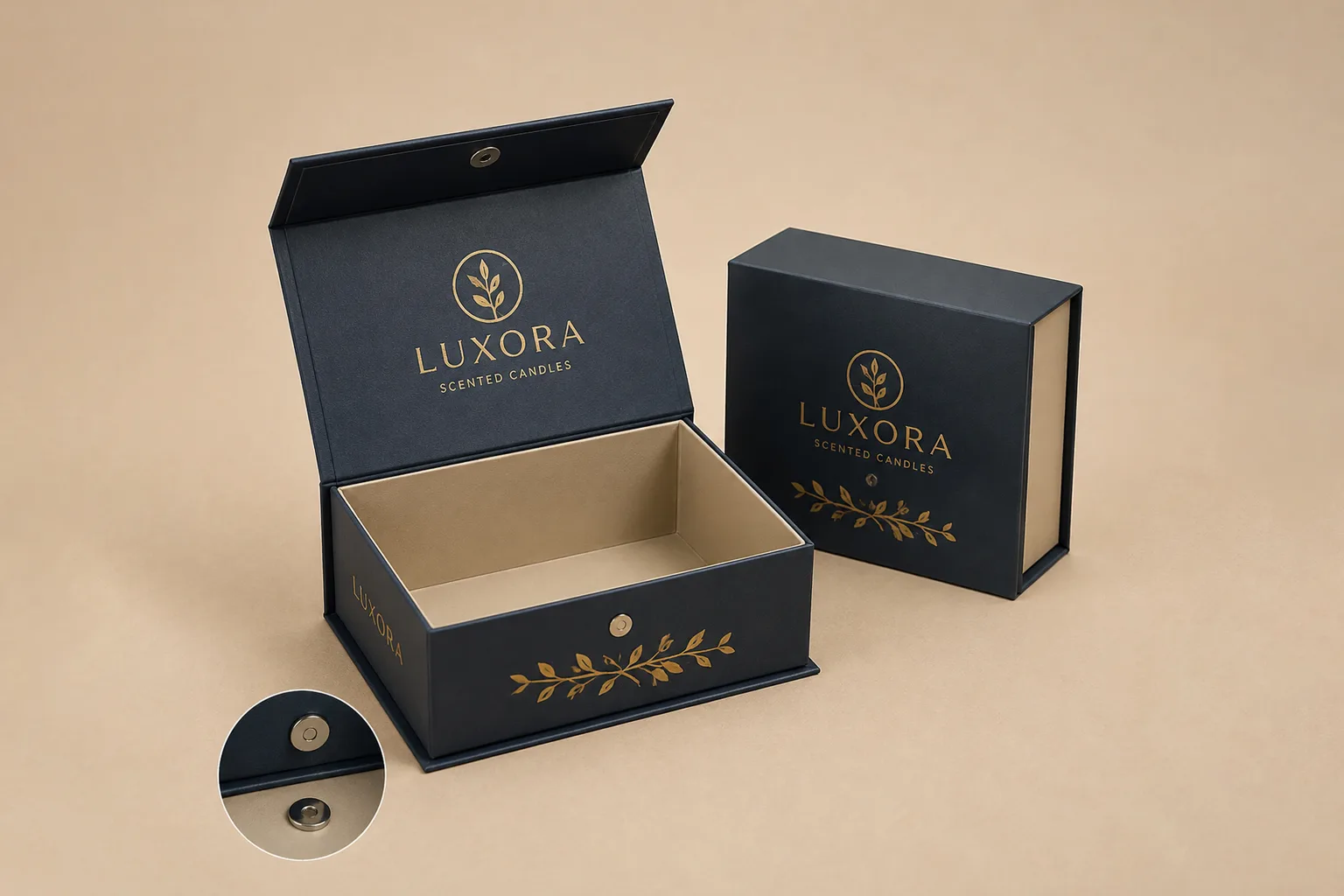
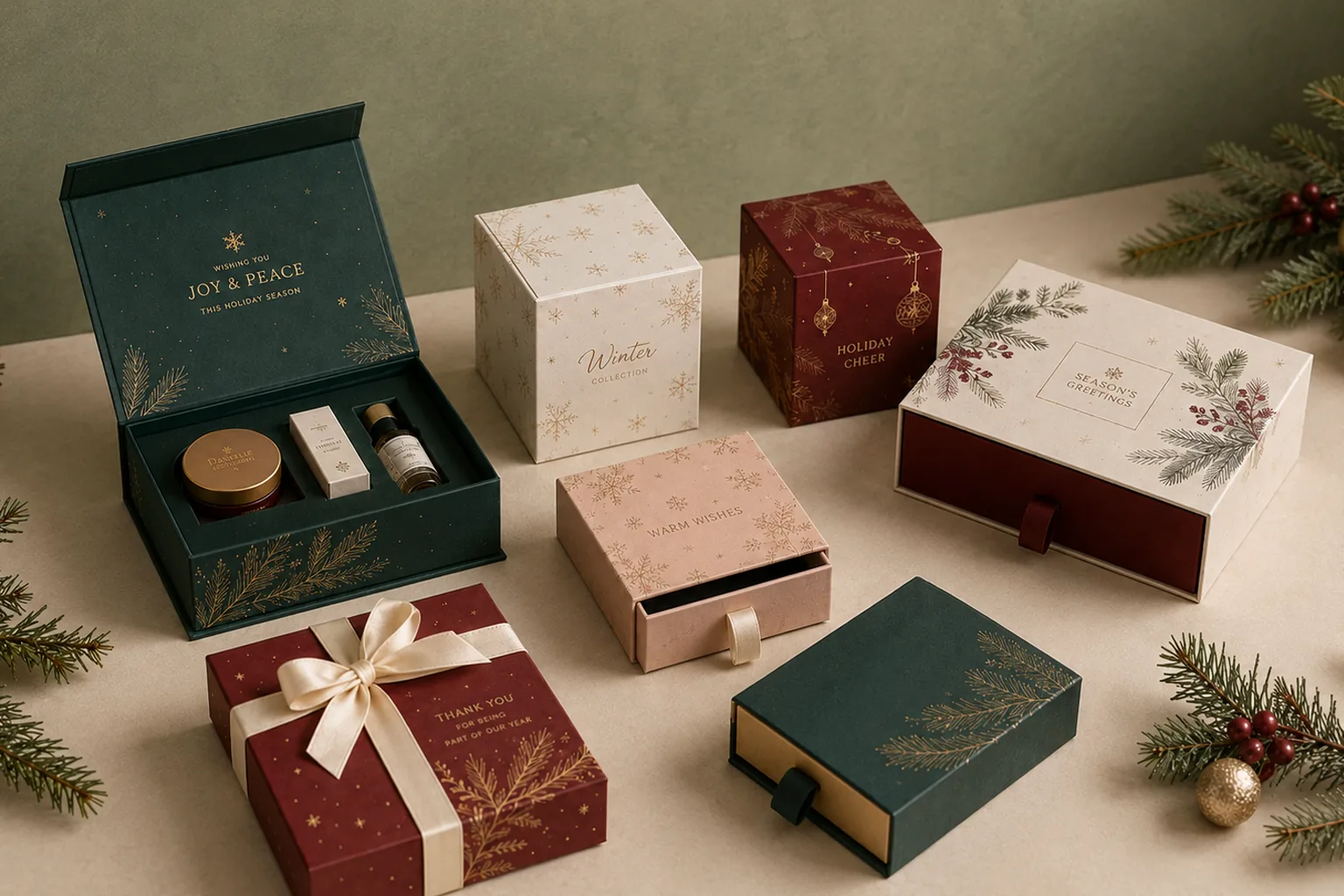
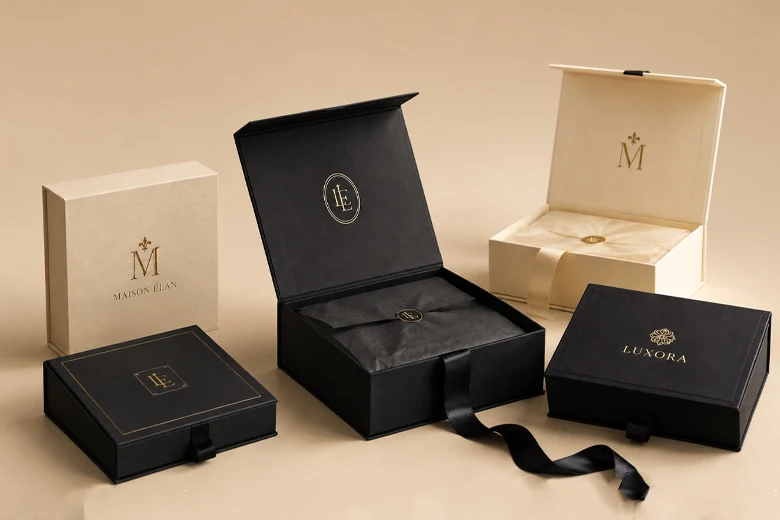
When it comes to custom packaging, the first thing a customer notices is the way the box catches the light and feels in their hands. Yes, we are talking about the finishing options.
The fact is, the finishing choice will set the tone for your entire customer unboxing experience. Thus, choosing the right finish for your product packaging is a strategic branding decision. Matte and gloss laminations end up being the popular finishes most brands use to highlight their packaging design.
So, what’s the difference between the two, and how do you choose the ideal one for your business? Let’s start exploring the details!
What is Matte Lamination?
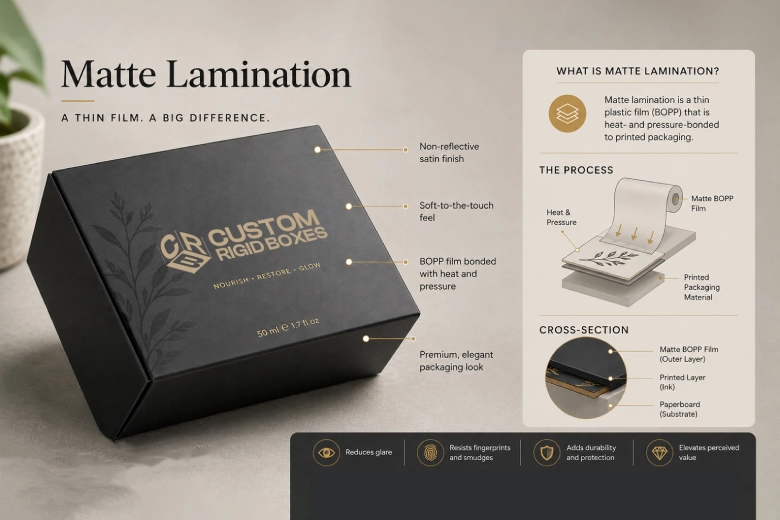
Matte lamination is a decorative finish that applies a thin layer of plastic film to the surface of your packaging. It creates a non-reflective, satin look.
During the lamination process, a roll of matte biaxially oriented polypropylene (BOPP) film is heat- and pressure-bonded to the printed material. This film diffuses light rather than reflecting it. The result? A packaging box with a “soft-to-the-touch” feel that many associate with high-end, premium goods.
What is Gloss Lamination?
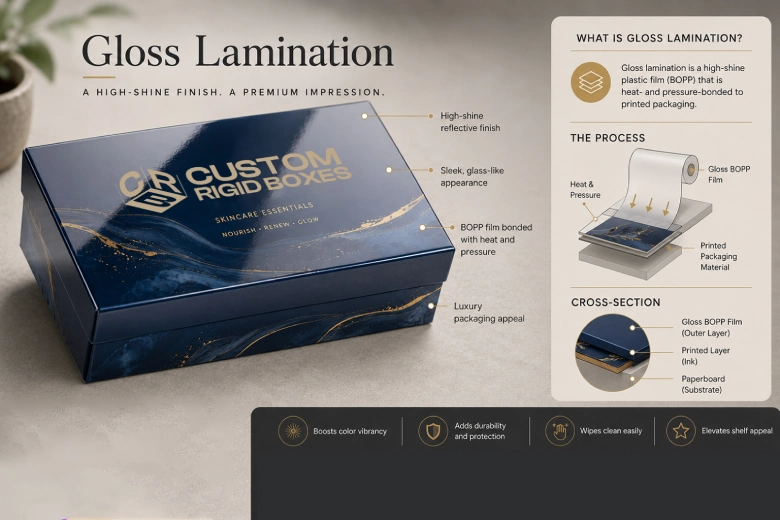
Gloss finish is a high-shine lamination that gives your packaging a sleek, glass-like appearance.
Similar to matte, the process involves bonding a plastic film (BOPP) to the packaging material using thermal rollers. The heat activates an adhesive that fuses the film to the ink and paper.
Different from matte finish, glossy lamination creates a vibrant surface that reflects light sharply. The result? You will see the colors of your box appear much more intense and concentrated.
Matte Lamination vs Gloss Lamination: A Detailed Comparison
Both lamination types serve the main purpose of protecting your packaging from moisture and wear. However, whether for standard folding cartons or premium rigid boxes, the results are completely different in visual and tactile qualities.
The main difference between matte and gloss lamination is the finish itself. Gloss produces a high-shine, reflective surface that makes colors vibrant. Meanwhile, matte creates a smooth, non-reflective, elegant, and muted look.
To make a better decision, have a look at the key differences between the two.
Appearance
Matte is about sophistication and elegance. It makes your packaging look subtle and “expensive.”
On the other hand, gloss lamination is all about energy and modern appeal. It makes your box look “new” and polished.
Glare
Matte lamination is completely anti-reflective. This means that your brand story and text will be visible and readable from any angle.
Gloss lamination produces significant glare under retail shelving lights. Thus, the small print is sometimes hard to read.
Color Reproduction
Matte lamination tends to slightly flatten colors. This finish delivers a softer, more muted, and “painterly” appearance.
If you need vibrant photography or neon colors on your packaging, gloss will enhance contrast and make the images look more vibrant.
Ideal Materials
As we mentioned above, both matte and gloss laminations serve the main purpose of protecting your packaging from moisture and wear.
Here’s a list of ideal materials for matte and gloss finishes.
Ideal Materials for Matte Lamination
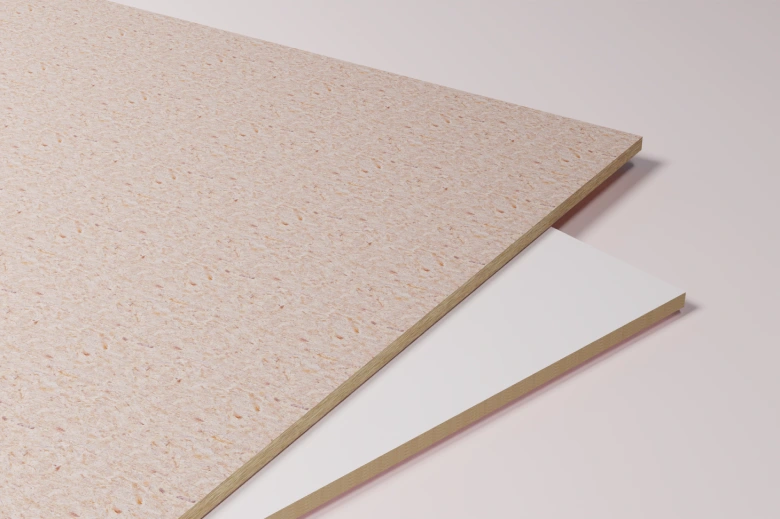
Matte provides a sophisticated, soft, and “smooth” feel. It is susceptible to scratches, so it requires sturdy materials.
- Rigid Boxes / Rigid Board: Perfect for polishing greyboard and chipboard.
- Heavy Cardstock / Cardboard: Suitable for luxury items.
- Paper with Specialty Printing: Enhances matte finish, especially with spot UV (adds a shiny layer over specific spots), embossing, or foil stamping.
Ideal Materials for Gloss Lamination
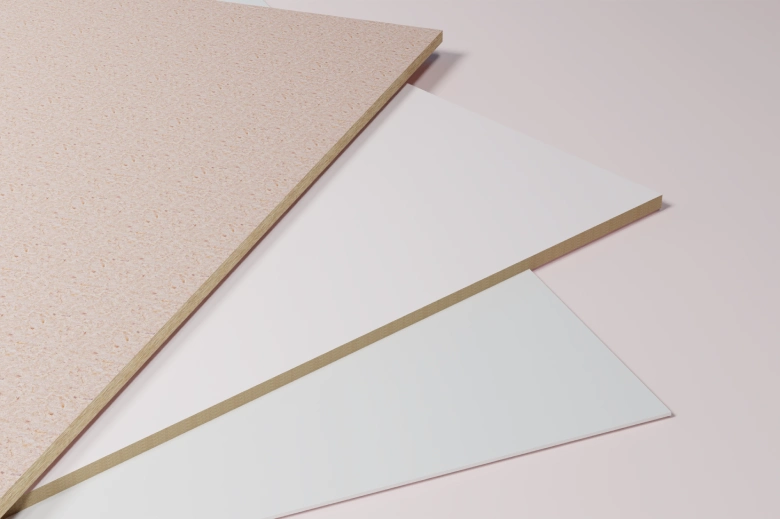
Gloss is ideal for items that require high durability, moisture and fingerprint resistance, as well as bright color enhancement.
- Folding Cartons (SBS Paperboard): Excellent for cereal boxes, toys, and toiletries that need to grab attention on shelves.
- Coated Papers: Makes colors more vibrant for brochures and high-contrast packaging.
- Rigid Stock: Adds a high-shine, vibrant, and polished appearance
Durability
Gloss lamination is the heavyweight champion of durability. Its slick surface naturally drives away water, dust, and grease. Yes, this means your packaging box will be easy to wipe clean.
Matte lamination is also durable and tear-resistant. Yet, it is more vulnerable to “scuffing”—visible marks left by fingernails or shipping friction. This applies especially if you use dark colors like black or navy.
Applications
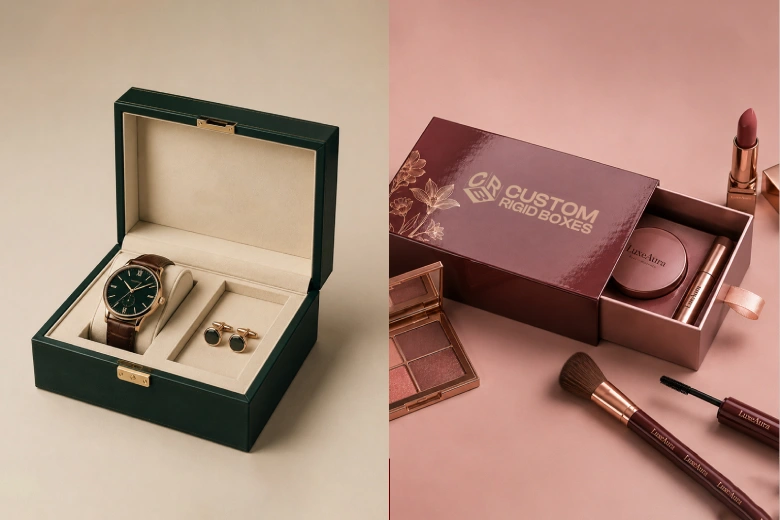
Different products require different appearances.
Here’s where matte and gloss lamination stand out.
Matte Lamination
Matte is best for products that need to convey luxury, elegance, and premium quality. By reducing glare, this finish makes text easier to read.
Here are the industry applications for matte lamination.
- Luxury & High-End Goods: Ideal for premium watch boxes, elegant jewelry boxes, and luxury packaging.
- Premium Electronics: High-end, sleek electronic boxes frequently use matte for a minimalist, modern aesthetic.
- Gourmet & Organic Food: Artisanal food products and chocolate packaging benefit from the muted, natural look.
- Stationery & Books: Book covers, journals, and high-end business cards use matte for a velvety, professional feel.
- Fashion: Boutique apparel boxes and high-end shopping bags.
Gloss Lamination
Gloss lamination is characterized by its high reflectivity. Thus, it is ideal for grabbing attention and enhancing colors, making them look brighter and more vibrant.
Here’s the list of industries that choose gloss finish.
- Retail & Fast-Moving Consumer Goods (FMCG): Snacks, candy, and beverage packaging often use gloss to look appetizing and attract attention.
- Toys & Children’s Products: Bright colors, high-impact branding, and playful designs look better with a high-shine finish.
- Cosmetics & Beauty: Preferred for colorful makeup packaging, skincare sets, or cosmetic boxes that look vibrant and fresh.
- Promotional items: Flyers, brochures, and influencer boxes that need to pop.
- Gaming: Board game boxes and puzzle boxes benefit from the scratch-resistant, shiny finish.
Cost
Matte lamination often carries a 10% to 15% price premium due to the specialized nature of the film. Hence, gloss lamination is generally the more affordable option because the film is produced in higher volumes and is easier to apply.
Matte vs Gloss Lamination: The Comparison Table
| Feature | Matte | Gloss |
| Appearance | Subtle and elegant | Polished and modern appeal |
| Glare | Anti-reflective | Significant glare |
| Color Reproduction | Slightly flatten colors | Vibrant photography or neon colors |
| Ideal Materials |
|
|
| Durability | Durable and tear-resistant | Drives away water, dust, and grease |
| Applications |
|
|
| Cost | Higher | Lower |
Benefits & Limitations
Every finish has its trade-offs. The “right” choice depends on your brand identity and where your product will be sold.
Benefits of Matte Lamination
What are the benefits of matte lamination?
- Creates a premium, “luxe” feel that justifies a higher price point.
- Makes text-heavy packaging much easier to read.
- Hides fingerprints and smudges better.
- Provides a unique, soft tactile experience for customers.
Benefits of Gloss Lamination
What are the benefits of glossy lamination?
- Colors look more vivid and high-contrast.
- Offers superior protection against liquids, oils, and dirt.
- The most cost-effective way to make packaging look professional.
- Highly eye-catching in a retail environment.
Limitations of Matte Lamination
Some limitations of matte finish include:
- More expensive than gloss.
- Darker colors can show scuffs and scratches easily.
- It can make bright colors look slightly “washed out.”
Limitations of Gloss Lamination
Here are the limitations of gloss lamination:
- Reflects light, which can obscure branding under bright store lights.
- Every fingerprint and smudge is visible on the shiny surface.
- It can sometimes be perceived as “commercial” or less exclusive.
How to Choose Between Matte vs Gloss Lamination?
To make the final call, you should look beyond the screen. Think about the physical journey your package will take from the warehouse to customers’ homes.
- Check Your Colors
If your design is dark and moody, matte looks great but may scuff. Consider using “anti-scuff matte” if the budget allows. If your design is bright and colorful, go gloss.
- Evaluate Your Retail Space
Will your product be under harsh LED spotlights? If so, matte will prevent blinding glare.
- Consider Your Product Type
For products like food or beauty creams, the wipe-clean nature of gloss is a lifesaver.
- Define Your Brand Voice
If your brand is natural, handmade, or luxury, matte is the way to go. If it’s fun, fast, or high-tech, gloss fits better.
Is Gloss or Matte Lamination Better?
Different finishing types come with different appearances and textures. Thus, it doesn’t mean that gloss lamination is better than matte finish or vice versa.
Gloss lamination is the better choice for protection, budget-friendliness, and visual impact. Meanwhile, matte lamination is the superior choice for high-end branding, readability, and a sophisticated tactile feel.
For many modern brands, the benchmark is a matte laminated box with Spot UV gloss highlights on the logo to get the best of both worlds.
Finishing Up
Without any doubt, choosing the right finish for your product packaging is a strategic branding decision. Matte and gloss laminations end up being the popular finishes most brands use to highlight their packaging design.
Depending on the appearance you want on your product packaging, both options can make your box look more impressive and exclusive.
FAQs
What is matte lamination?
Matte lamination is a decorative finish that applies a thin layer of plastic film to the surface of your packaging, creating a non-reflective, satin finish.
What is gloss lamination?
Gloss lamination is a high-shine finish that gives your packaging a sleek, glass-like appearance.
What’s the main difference between matte and gloss lamination?
Gloss produces a high-shine, reflective surface that makes colors vibrant, while matte creates a smooth, non-reflective, elegant, and muted look.
How to choose between matte vs gloss lamination?
To choose between matte and gloss lamination, you should check your colors, evaluate your retail space, consider your product type, and define your brand voice.