When it comes to business packaging, it’s not meant only to hold a product; it’s meant to make a brand impression. This means balancing your budget, protecting your goods, and making a memorable first impression every single time.
Two of the most popular packaging materials are paperboard and rigid board. But which one is right for your business?
Let’s look at the differences between paperboard and rigid board to help you choose the right one for your business packaging.
Paperboard vs Rigid Board: The Main Differences
At first glance, you might see that paperboard and rigid board look the same as cardboard. The main difference between paperboard and rigid board lies in their structures, thicknesses, and intended uses. Paperboard is a thinner, flexible material designed to be folded into cartons. Meanwhile, rigid board is thick, dense, and non-folding, designed for luxury, high-protection packaging.
The way they are built, how they feel in your hand, and how they impact your bottom line are worlds apart.
Have a look at all the factors that make all the differences.
Materials
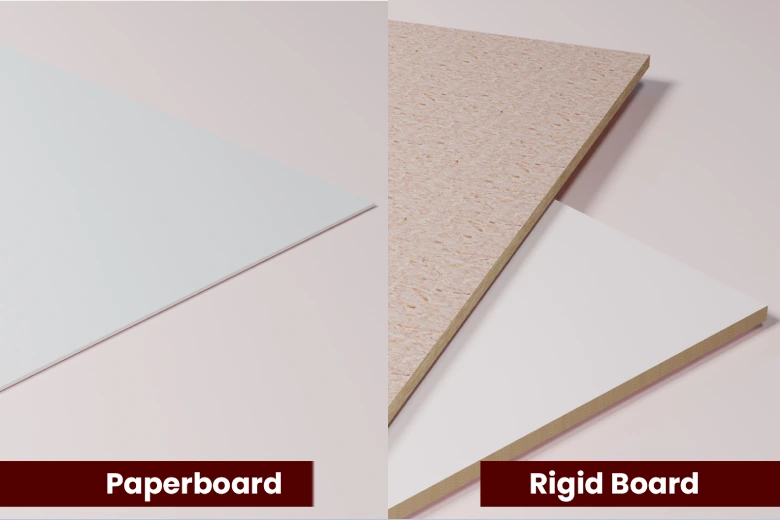
What is paperboard?
It is a lightweight, flexible material made of virgin wood pulp or recycled fiber.
What is rigid board?
Rigid board is composed of thick, dense recycled wood fibers or paper chips, pressed together with synthetic resins for high strength.
Structure & Texture
Paperboard and rigid board are both paper-based materials. They are mainly made from cellulose fibers derived from wood pulp or recycled paper.
But, of course, the “feel” of your packaging tells a story before customers even see how good your product is.
- Paperboard
Paperboard is a single layer of thick paper. It is flexible, lightweight, and has a smooth surface, making it perfect for high-quality, direct printing. This board can be folded easily into almost any shape.
- Rigid Board
A rigid board is made by taking a thick, dense core (greyboard or chipboard) and wrapping it in a decorative paper. This board doesn’t bend or fold; it’s solid, sturdy, and feels expensive.
Key Types
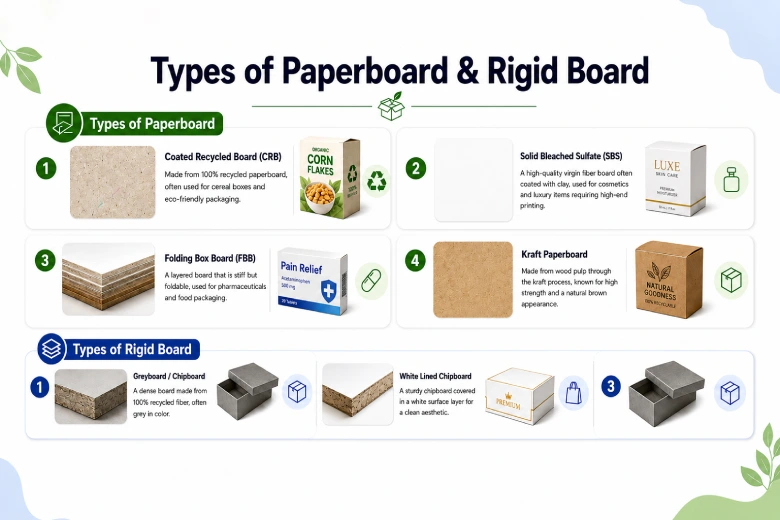
Thanks to the manufacturing processes for paperboard and rigid board, there are a variety of types to choose from.
Types of Paperboard
- Coated Recycled Board (CRB): Made from 100% recycled paperboard, often used for cereal boxes and eco-friendly packaging.
- Solid Bleached Sulfate (SBS): A high-quality virgin fiber board often coated with clay, used for cosmetics and luxury items requiring high-end printing.
- Folding Box Board (FBB): A layered board (often pulp-based) that is stiff but foldable, used for pharmaceuticals and food.
- Kraft Paperboard: Made from wood pulp through the kraft process, known for high strength and a natural brown appearance.
Types of Rigid Board
- Greyboard/Chipboard: A dense board made from 100% recycled fiber, often grey in color.
- White Lined Chipboard: A sturdy chipboard covered in a white surface layer for a clean aesthetic.
Manufacturing
The manufacturing process is where the magic happens. The main goal is to turn the material you choose into ideal boxes your business needs.
Although both are sourced from wood pulp or recycled paper fibers, paperboard and rigid board have different manufacturing processes.
- Paperboard
Paperboard is manufactured using high-speed die-cutting machines. It is printed, cut, and creased in one go. The entire process is incredibly fast and inexpensive for producing packaging boxes in high volumes.
- Rigid Board
This manufacturing process of a rigid board is more complicated. Yes, designing a perfect rigid box requires multiple steps, including cutting the heavy board, scoring it, and then gluing the wrap over the top. While automation exists, it remains a more labor-intensive and slower process than paperboard.
Shipping & Storage
Logistics can make or break your business margins. Here is where the two differ most when it comes to successful product packaging.
- Paperboard
Boxes made of paperboard—from lightweight folding cartons to heavy-duty shipping boxes— ship flat. This means you can fit thousands of flat-packed folding cartons on a single pallet. As a result, it saves you a massive amount of money on freight and takes up very little room in your warehouse.
- Rigid Board
Both greyboard and chipboard are the main materials to produce high-quality rigid boxes. These boxes ship pre-assembled, except the collapsible versions. And because they don’t fold down, you are essentially paying to ship and store air. Thus, you will need significantly more warehouse space and a higher shipping budget.
Ideal Use Cases
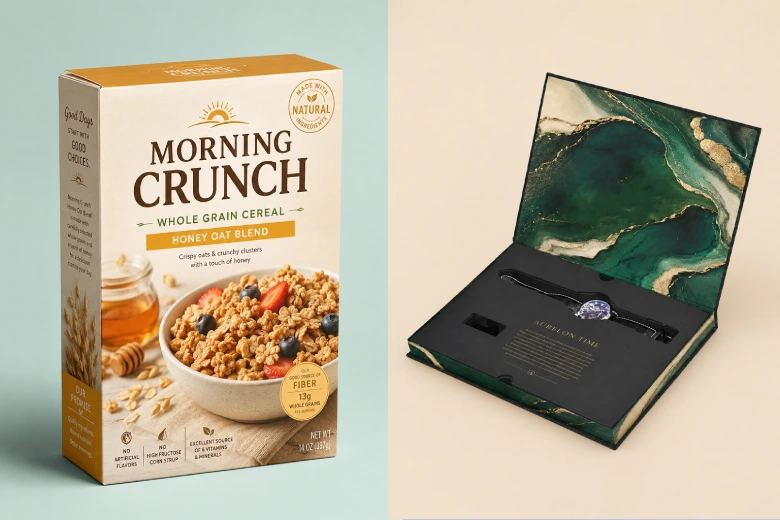
Not every product needs a heavy-duty box, and some products are too heavy for thin paper.
Paperboard
Paperboard material is the gold standard in the retail packaging industry.
It is ideal for:
- Food & Beverage: Cereal boxes, cracker boxes, and tea packaging.
- Cosmetics: Individual lipstick boxes or cream packaging.
- Pharmaceuticals: Over-the-counter medicine boxes.
Be it a folding carton, a cereal box, or medicine packaging, any box made of paperboard is 100% recyclable and uses less material.
Rigid Board
A rigid board is the one you need when you want to deliver your product in luxury packaging.
It’s best for:
- Luxury Goods: Watch boxes, jewelry packaging boxes, and high-end perfume boxes.
- Electronics: Exclusive electronic boxes for smartphones, tablets, and headphones.
- Apparel: Elegant scarf packaging and durable shoe boxes.
- Gifts & Promotional: High-quality gift boxes and exclusive presentation boxes.
- E-Commerce: Subscription boxes, limited-edition kits, or influencer boxes.
One of the reasons businesses across industries use rigid boxes is that customers are likely to keep and reuse them.
Paperboard vs Rigid Board: How to Choose the Right One?
The right material determines how your business packaging will look and feel to customers.
First, let’s have a look at the comparison table between paperboard and rigid board.
| Feature | Paperboard | Rigid Board |
| Materials | Virgin wood pulp or recycled fiber | Thick, dense recycled wood fibers or paper chips |
| Structure & Texture | Flexible, lightweight, and smooth surface | Solid, sturdy, and feels expensive |
| Types |
|
|
| Manufacturing | High-speed, inexpensive | Complicated, labor-intensive |
| Shipping & Storage | Lightweight, ship flat | Ship pre-assembled |
| Use Cases |
|
|
| Costs | Low | High |
When choosing between paperboard and rigid board, make sure you consider the essential factors below.
Product Weight & Protection
How heavy is the product you need to pack?
If it’s a lightweight mascara tube, paperboard is ideal. However, if it’s a heavy glass bottle or high-tech accessories, you need the structural strength of a rigid board to ensure they don’t get crushed during transit.
Storage & Shipping Logistics
Do you have a massive warehouse, or are you working out of a small space?
If your space is quite tight and you want to keep shipping costs low, paperboard is the clear winner.
On the other hand, if you have the budget for “white-glove” shipping and plenty of storage, rigid board is your best option.
Branding Considerations
Think about your branding vibe. Does your brand reflect “attainable and everyday” or “exclusive and luxury”?
Paperboard allows for vibrant, full-color printing everywhere. And a rigid board? It is highly customizable with luxury finishes like deep embossing, foil stamping, and soft-touch lamination that feel incredible to the touch.
The Unboxing Experience

We live in the era of “unboxing videos.” And there is a huge difference between folding cartons and rigid boxes when it comes to inspiring customers to film their unboxings and share them.
Here’s the scoop:
If you are offering everyday-use products, a folding paperboard carton is more practical.
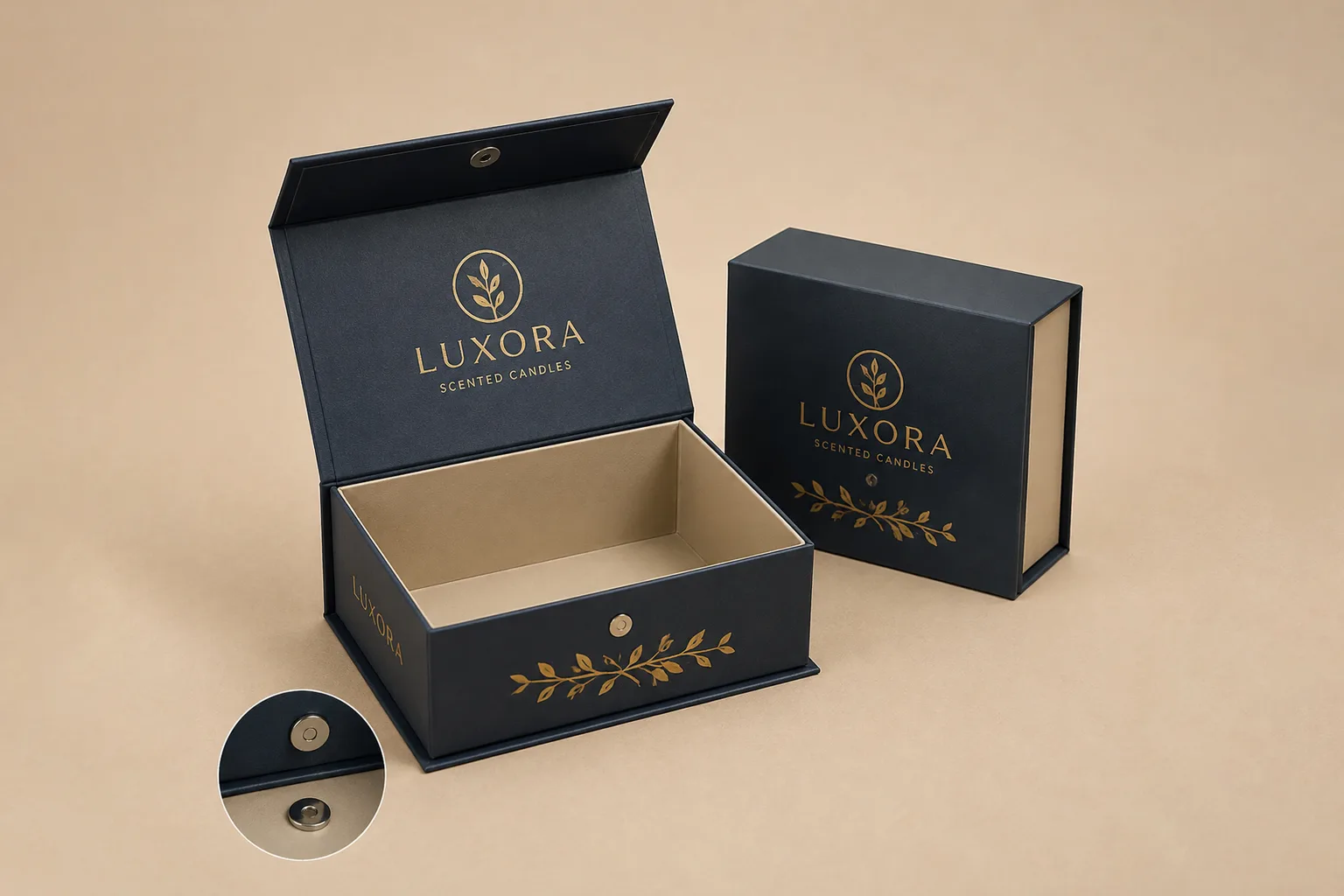
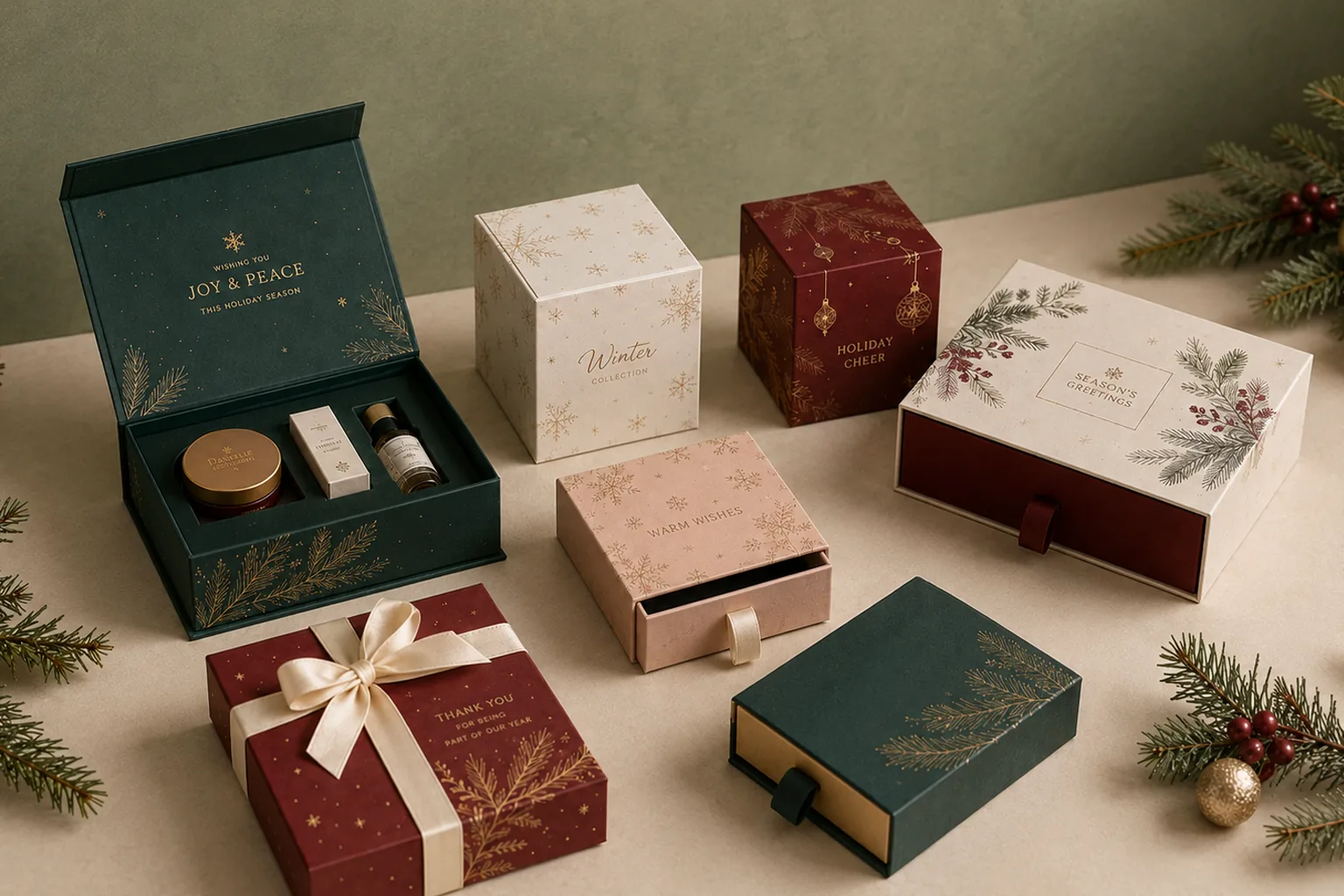
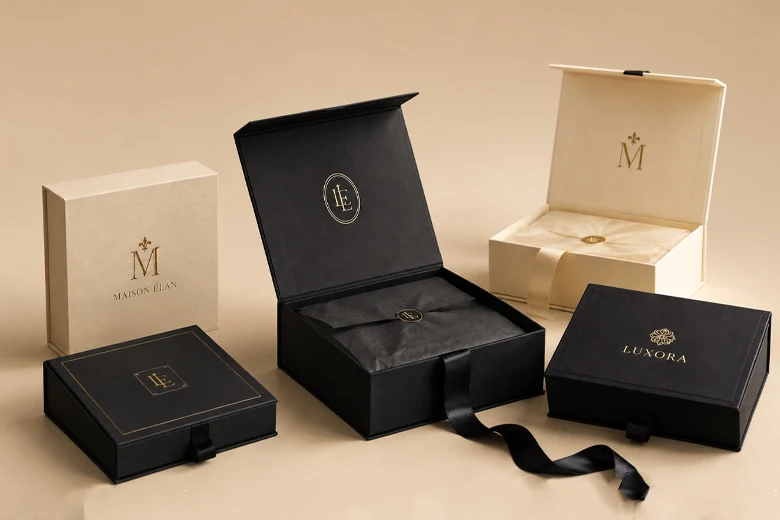
However, if your products are high-end, a rigid board can turn into various types of rigid boxes, including:
- Drawer boxes for fancy cosmetics or small electronics.
- Shoulder neck boxes for luxury perfumes or jewelry.
- Two piece boxes for designers’ apparel or gifts.
- Magnetic closure boxes for premium retail products.
- Custom shape boxes for unique candles or gourmet food items.
Budget & Margins
Due to the complex manufacturing process and premium finishes, a rigid box can cost 3 to 5 times more than paperboard packaging.
However, given the tremendous benefits of rigid boxes, you will see that they are a worthy investment for every business. So, if you are choosing a rigid board, consider designing your business packaging in exact rigid box sizes to minimize your budget and reduce packaging waste.
Overall, in the battle of paperboard vs. rigid board, there is no single winner—only the right fit for your specific needs. Choose paperboard for efficiency, volume, and value. Choose a rigid board for luxury, protection, and a premium brand identity.
Wrapping Up
No doubt, when it comes to business packaging, you must balance your budget, protect your goods, and make a memorable first impression every time.
Two of the most popular packaging materials are paperboard and rigid board—each with its own excellent qualities. When choosing between paperboard vs rigid board, make sure you consider product weight & protection, storage & shipping logistics, branding considerations, the unboxing experience, as well as your budget & margins.
FAQs
What is paperboard?
It is a lightweight, flexible material made of virgin wood pulp or recycled fiber.
What is rigid board?
Rigid board is composed of thick, dense recycled wood fibers or paper chips, pressed together with synthetic resins for high strength.
What is paperboard used for?
Paperboard material is the gold standard in the retail packaging industry for food & beverage, cosmetics, and pharmaceuticals.
What is rigid board used for?
A rigid board is the best option for luxury packaging of luxury goods, electronics, apparel, gifts & promotions, and e-commerce products.
What’s the main difference between paperboard and rigid board?
Paperboard is a thinner, flexible material designed to be folded into cartons. Meanwhile, rigid board is thick, dense, and non-folding, designed for luxury, high-protection packaging.