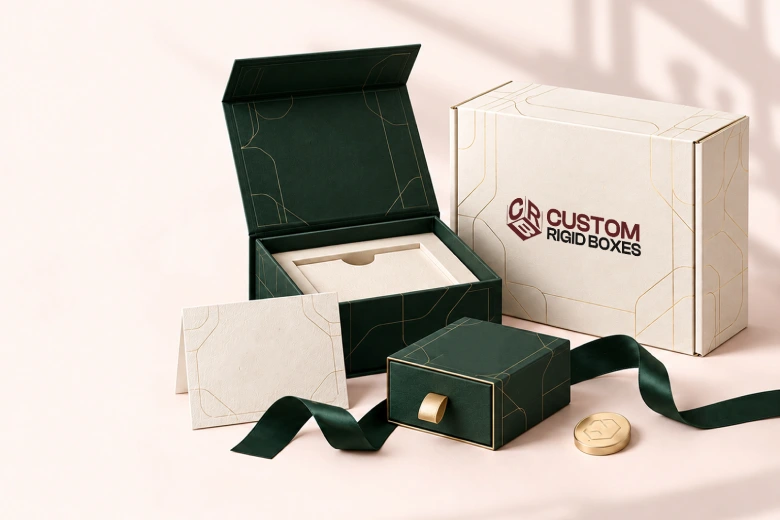
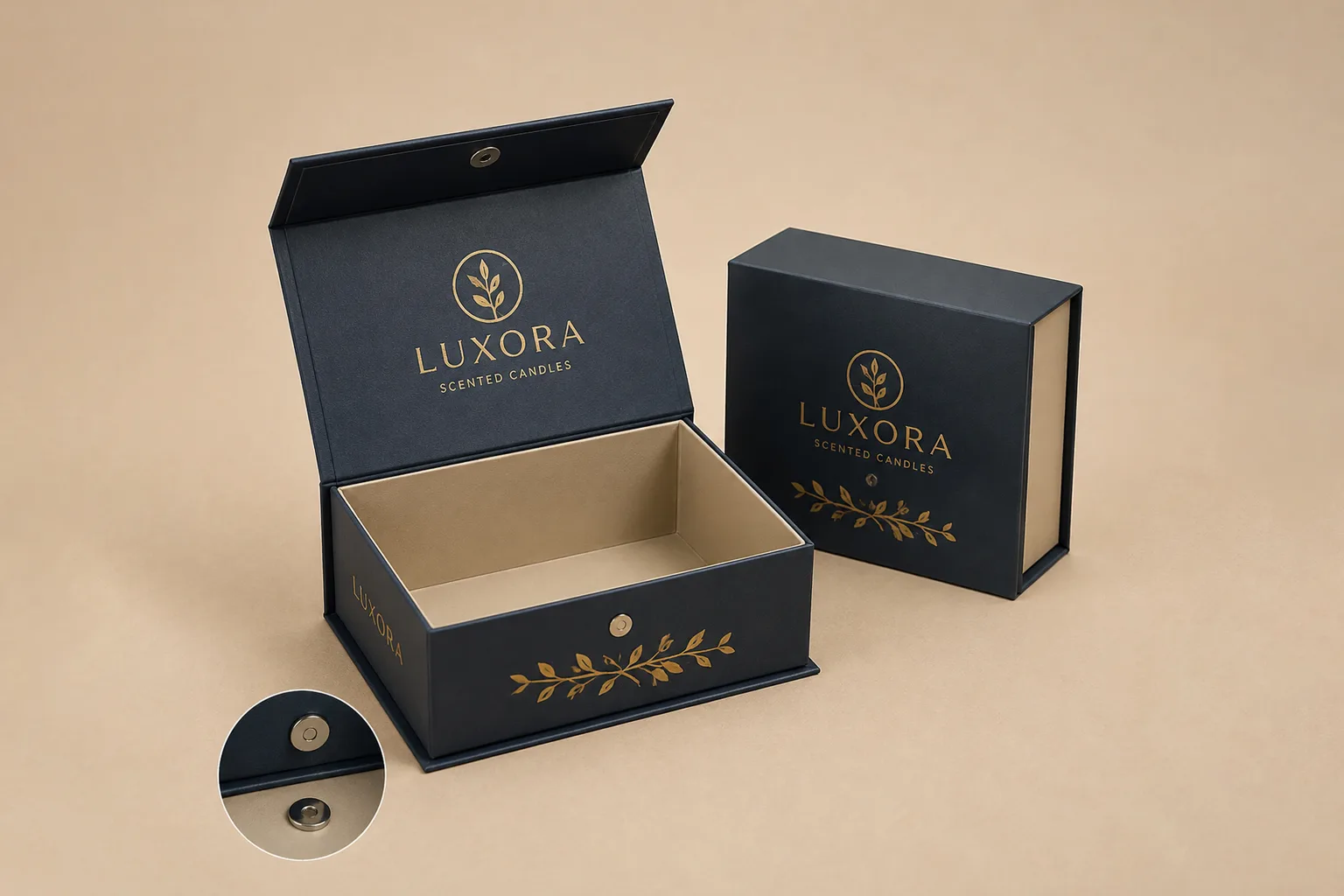
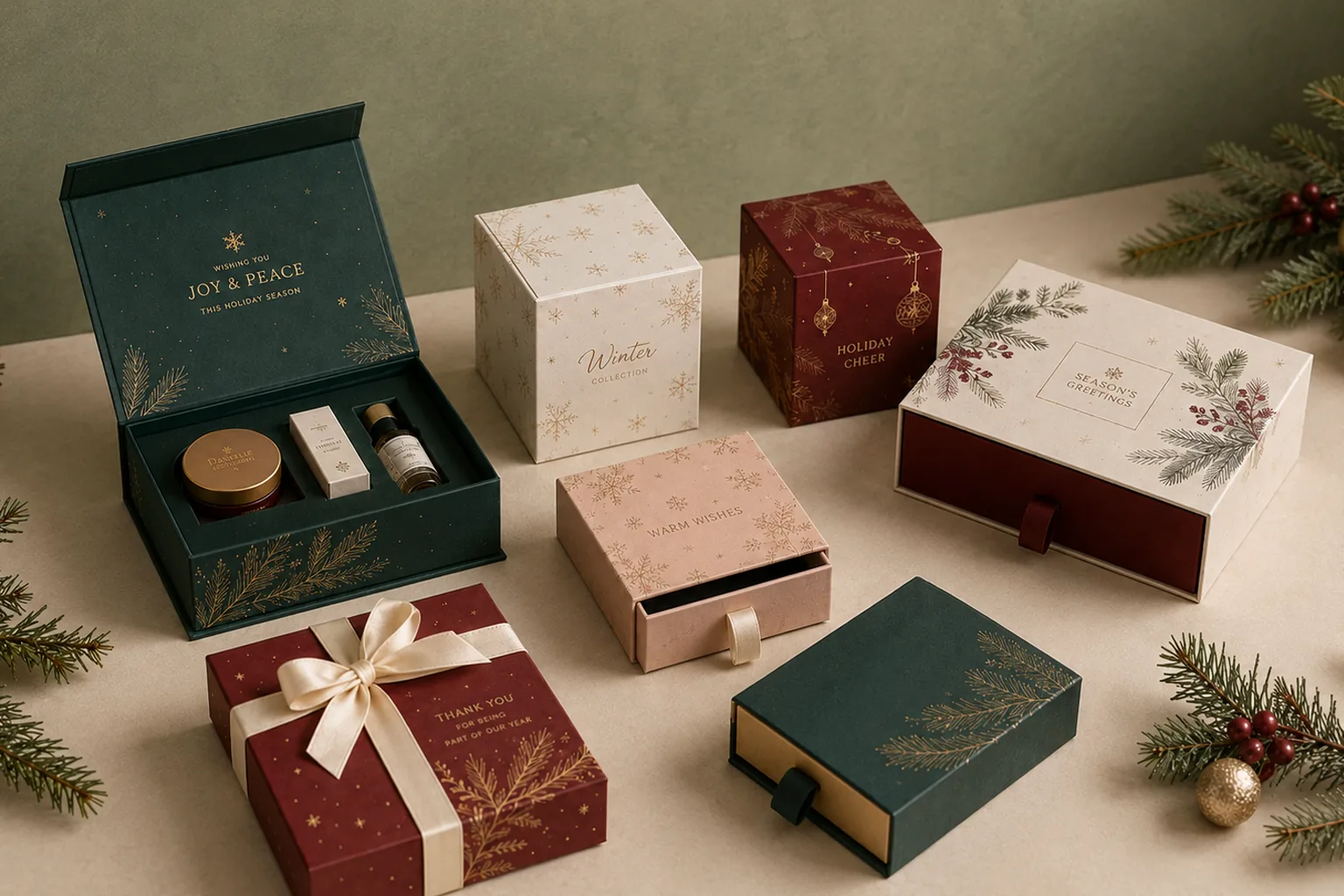
Product packaging is no longer just a “container”—it is a brand’s handshake, a regulatory requirement, and user experience. With shifting material prices and new sustainability laws taking effect, many business owners are asking: How much does packaging cost in 2026?
Whether you are a startup shipping your first box or an established brand navigating global supply chains, understanding these costs is essential for your bottom line.
Let’s discover the packaging cost and the factors that influence it.
The Main Types of Packaging Costs
With rising demand across sectors such as food, pharma, and retail, packaging has transitioned from simple protection to a critical tool for branding and consumer utility. Hence, navigating the financial side of packaging requires looking beyond the price per box.
To truly understand your budget, you have to split your expenses into two different buckets:
- The one-time investments that get your project off the ground.
- The recurring costs that scale with every sale you make.
Here are the main types of costs to note in product packaging.
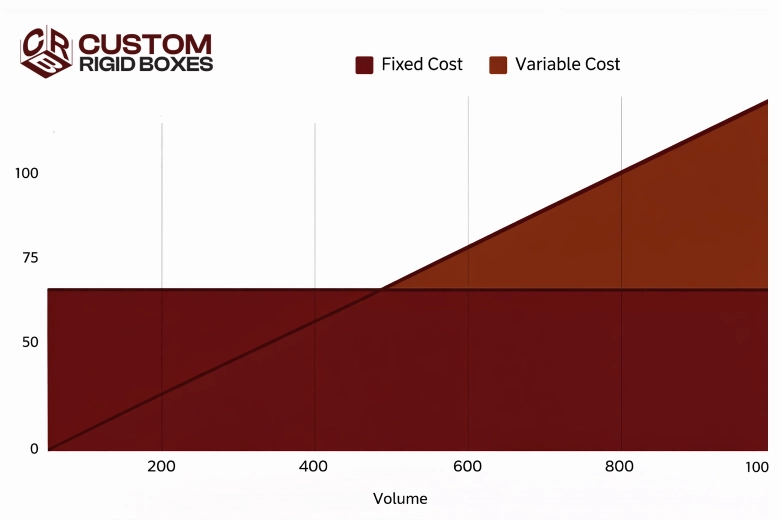
Fixed Costs
Fixed costs are your “entry fees” into custom packaging. The costs are increasingly tied to high-precision manufacturing processes, including:
- Tooling and Dies: The physical steel-rule dies used to cut your unique box shape.
- Printing Plates: Necessary for high-volume flexographic or offset printing.
- Design and Prototyping: The initial design phase to ensure your product fits perfectly.
Variable Costs
Variable costs are the part of your budget that changes based on how much you produce. Accurately calculating packaging costs depends on tracking fluctuating numbers.
What’s included in the variable costs?
- Raw materials: The price of packaging materials, ranging from standard cardboard to premium rigid stock, significantly affects cost.
- Labor: The cost of human or machine assembly.
- Shipping and Storage: Inventory holding costs and the dimensional weight (DIM) fees charged by carriers.

What are the Economies of Scale in Packaging?
“Economies of scale” in packaging is a fancy way of saying: The more you buy at once, the cheaper each box or bag becomes.
How come it gets cheaper?
- Setup costs: Custom packaging requires creating “plates” (logos) and configuring heavy machinery. If those “setup” costs are $500:
- Buy 1 box for $500; buy 500 boxes, and the setup cost is only $1 per box.
- Raw material discounts: Packaging manufacturers get better deals when they buy massive rolls of paper or plastic. They pass those savings to you if you order in bulk.
- Efficiency: It’s faster for a manufacturer to keep one machine running for 10 hours on a single design than to stop and restart it every 20 minutes for small orders.
What is the Average Cost of Packaging?
Industry benchmarks showcase that most brands allocate 8%-11% of the retail price to the unboxing experience.
But here’s the harsh truth: The material scarcity and carbon taxes fluctuate. In this context, having accurate figures for different box styles is essential to your financial planning.
Well then, let’s break down the costs by packaging type.
The Costs of Corrugated Boxes
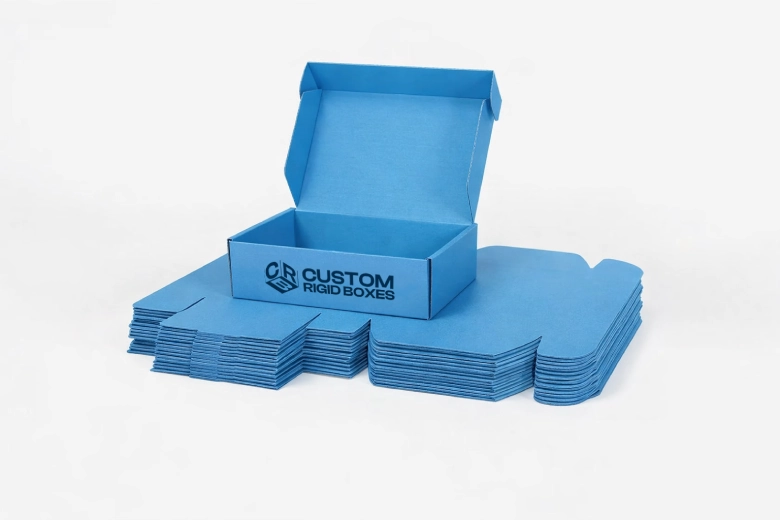
Corrugated boxes remain the workhorse of the e-commerce world. These boxes are well known for their durability and recyclability.
Here’s the cost breakdown.
- Standard Shipping Boxes: $0.80 – $2.50 per unit.
- Custom Mailer Boxes: $1.50 – $4.50 per unit.
- Heavy Duty: $3.00 – $6.00 per unit.
Pro tips for managing corrugated packaging costs:
- Match strength to weight: Single-wall fluting is the gold standard for lighter goods. Alternatively, upgrading to double-wall construction provides the required structural integrity.
- Scale for savings: By ordering your mailers in larger quantities, you can unlock tiered discounts that reduce the unit price by up to 25%.
- Strategic branding: Focus your design on the areas with the most visual impact to maximize your return on investment.
The Costs of Folding Cartons
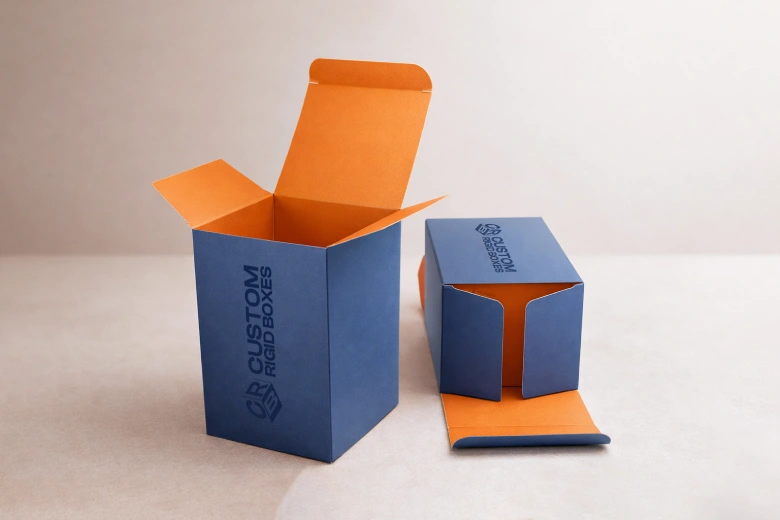
Folding cartons are best suited for retail shelves. Think pharmaceuticals, cosmetics, and lightweight consumer goods. These cartons offer high-speed production and vibrant graphics.
Here’s the cost breakdown.
- Plain Paperboard: $0.15 – $0.50 per unit.
- Custom Printed Retail Boxes: $0.60–$1.75 per unit.
- Cartons with Premium Finishes (Foil/Embossing): $2.00 – $3.50 per unit.
Pro tips for managing folding carton costs:
- The right material: Single-layer paperboard is sleek and cost-effective for cosmetics, whereas double-layer stocks offer the “heft” required for heavier items.
- Understand the volume curve: Price per unit drops dramatically at the 1,000+ unit mark. Aim for higher volumes to capture savings of up to 30%.
- Focus on visual impact: While custom finishes add roughly $0.10–$0.50 per unit, a well-placed logo or unique pattern is more effective.
The Costs of Rigid Boxes
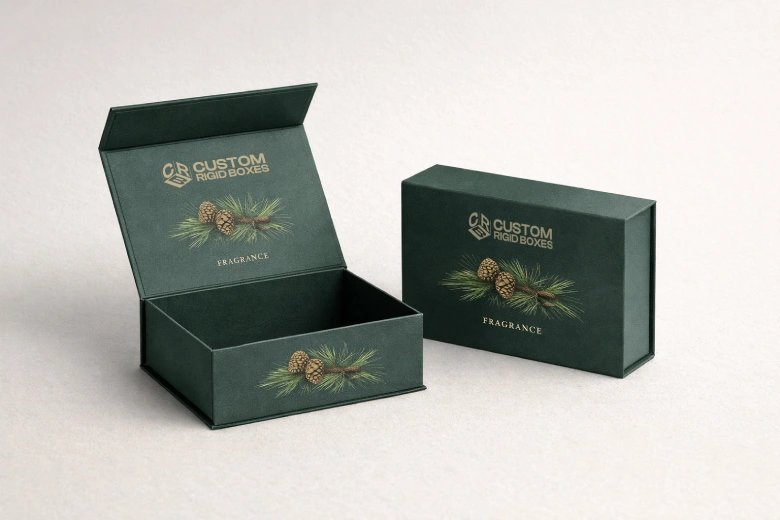
Made of rigid stock (chipboard/greyboard), these boxes provide superior protection and luxury appeal.
If you are selling luxury goods such as electronics or high-end jewelry, rigid packaging boxes convey a sense of quality.
Here’s the cost breakdown.
- Standard Rigid Boxes: $4.00 – $9.00 per unit.
- Luxury Boxes (Magnetic Closure, Two-Piece, Shoulder-Neck): $12.00 – $25.00+ per unit.
Pro tips for managing rigid box costs:
- Target your luxury spend: Thicker chipboard creates a more high-end feel, but it drives up material and shipping costs.
- Plan for production lead times: Order in advance and in bulk to avoid “rush” fees and minimize the impact of specialized manufacturing costs.
- Curate the unboxing experience: High-end box styles, such as hinged lids or embossed boxes, can add $2.00–$5.00 to your cost. Use these features purposefully to create a memorable brand moment.
The Costs of Flexible Packaging
Flexible packaging is any non-rigid container or wrapper made from materials like plastic film, paper, or aluminum foil. It is the cost-effective solution for protecting and marketing a range of products, from snacks and cosmetics to pharmaceuticals. You’ll see it as pouches, bags, wraps, and sachets.
A great use case is Amazon, which extensively uses flexible packaging for roughly 50% of its delivery packaging in the US and Canada.
The costs of flexible packaging vary widely by type.
Here’s the breakdown.
- Printed Flexible Bags: Roughly $0.08 to $0.18 per unit, depending on size and quantity.
- Smaller runs range from $0.56 to $0.75+, while sustainable options can be higher.
Pro tips for managing flexible packaging costs:
- Standardize your sizes: Don’t buy five different bag sizes
- Use a minimalist design: A clean, two-color design will significantly lower your “cost per bag.”
- Consider mono material: Request Mono-PE (Polyethylene), a single plastic type that is easier to recycle.
Here’s a recap for quick reference.
| Packaging Type | Average Costs | Features | Best for |
| Corrugated Boxes |
| Durable & Recyclable | E-commerce |
| Folding Cartons |
| Lightweight & Flexible | Retail products |
| Rigid Boxes |
| Superior Protection & Luxury Appeal | Luxury goods |
| Flexible Packaging |
| Lightweight & Cost-Effective | Snacks, cosmetics, pharmaceuticals |
What Factors Influence the Packaging Cost?
Note that the price of a box isn’t just determined by the paper it’s made from. In this competitive market, a complex web of global logistics, environmental regulations, and design choices defines your final invoice.
Here are some factors that influence the packaging costs.
Materials
The choice of packaging materials significantly affects cost, with eco-friendly options often costing more.
Packaging Designs
Complex or custom designs increase manufacturing expenses compared to simple, cost-effective structures.
For example, corrugated boxes excel for durable shipping, while rigid boxes are ideal for a luxurious unboxing experience. This difference between corrugated and rigid boxes will help you decide the packaging design you need.
Order Volume (Economies of Scale)
Order volume is also a key factor. Higher quantities benefit from economies of scale, reducing per-unit cost. Meanwhile, low-volume custom orders are more expensive.
Weight & Dimensions
The size and weight of packaging influence material usage and increase shipping and storage costs.
Printing Options
Special printing techniques and finishes, along with multi-color printing, also increase costs.
Here’s the scoop:
Custom rigid boxes offer superior elegance and smooth finishes (matte, Spot UV, Foil Stamping, AQ coating) for luxury goods.
Meanwhile, folding cartons are ideal for retail displays with vibrant printing. When choosing between rigid boxes and folding cartons, ensure you select the printing options you need.
Logistics
Transportation costs are determined by distance, weight, and volume. Plus, manual tasks like assembly and component insertion increase labor costs.
Regulatory Compliance
Adhering to regulatory standards, especially in industries like food, requires specialized and often costlier compliant materials.
In Summary
No doubt, the cost of packaging in 2026 is more transparent than ever, but it requires a strategic approach. By balancing fixed and variable costs, selecting the right material for your price point, and designing with the end-of-life cycle in mind, you can create ideal packaging that stays within your budget.
FAQs
What are the main types of packaging costs?
The main types of packaging costs include fixed costs tied to high-precision manufacturing processes and variable costs that change with production volume.
What’s the cost of corrugated boxes?
The cost of corrugated boxes ranges from $0.80 to $2.50 per unit for standard shipping boxes, custom mailer boxes ($1.50–$4.50 per unit), and heavy-duty ($3.00–$6.00 per unit).
What’s the cost of rigid boxes?
The cost of rigid boxes ranges from standard ($4.00 – $9.00 per unit) to luxury ($12.00 – $25.00+ per unit).
What factors influence the packaging cost?
Factors that influence the packaging costs include materials, packaging designs, order volume, weight & dimensions, printing options, logistics, and regulatory compliance.