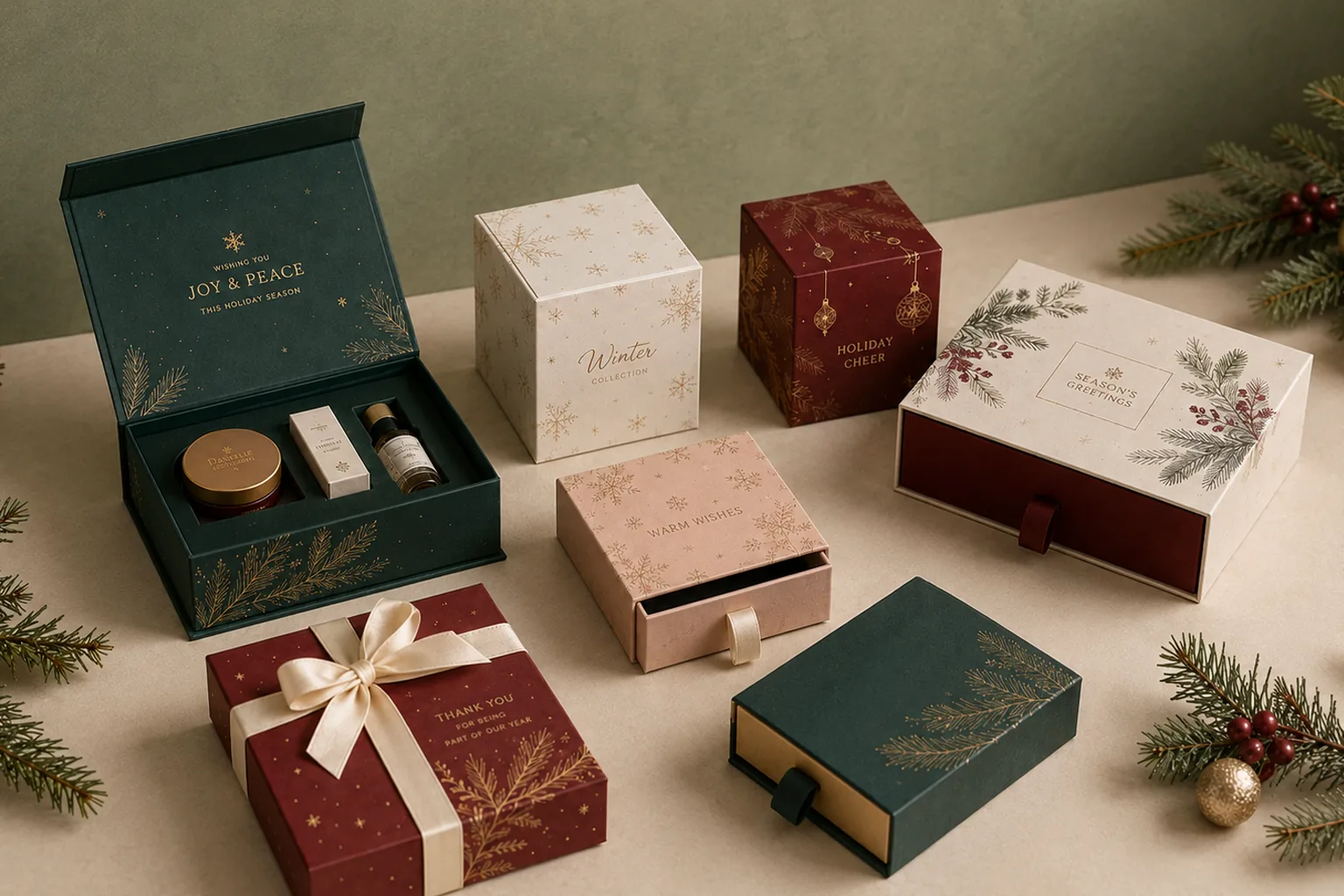
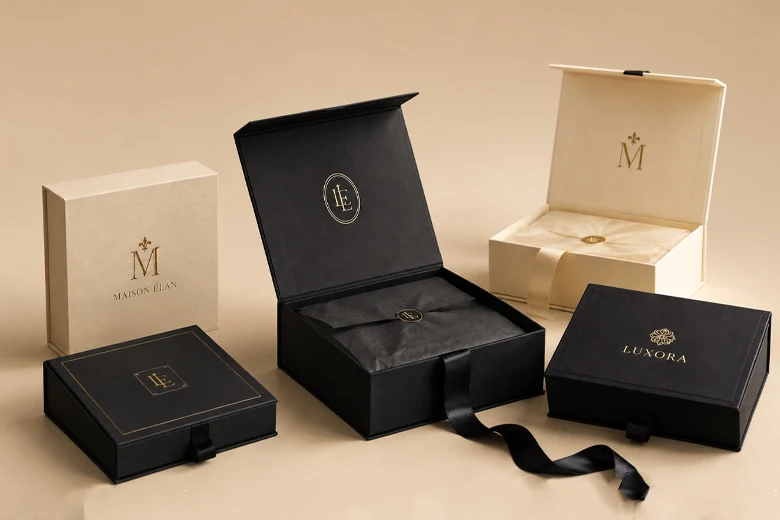
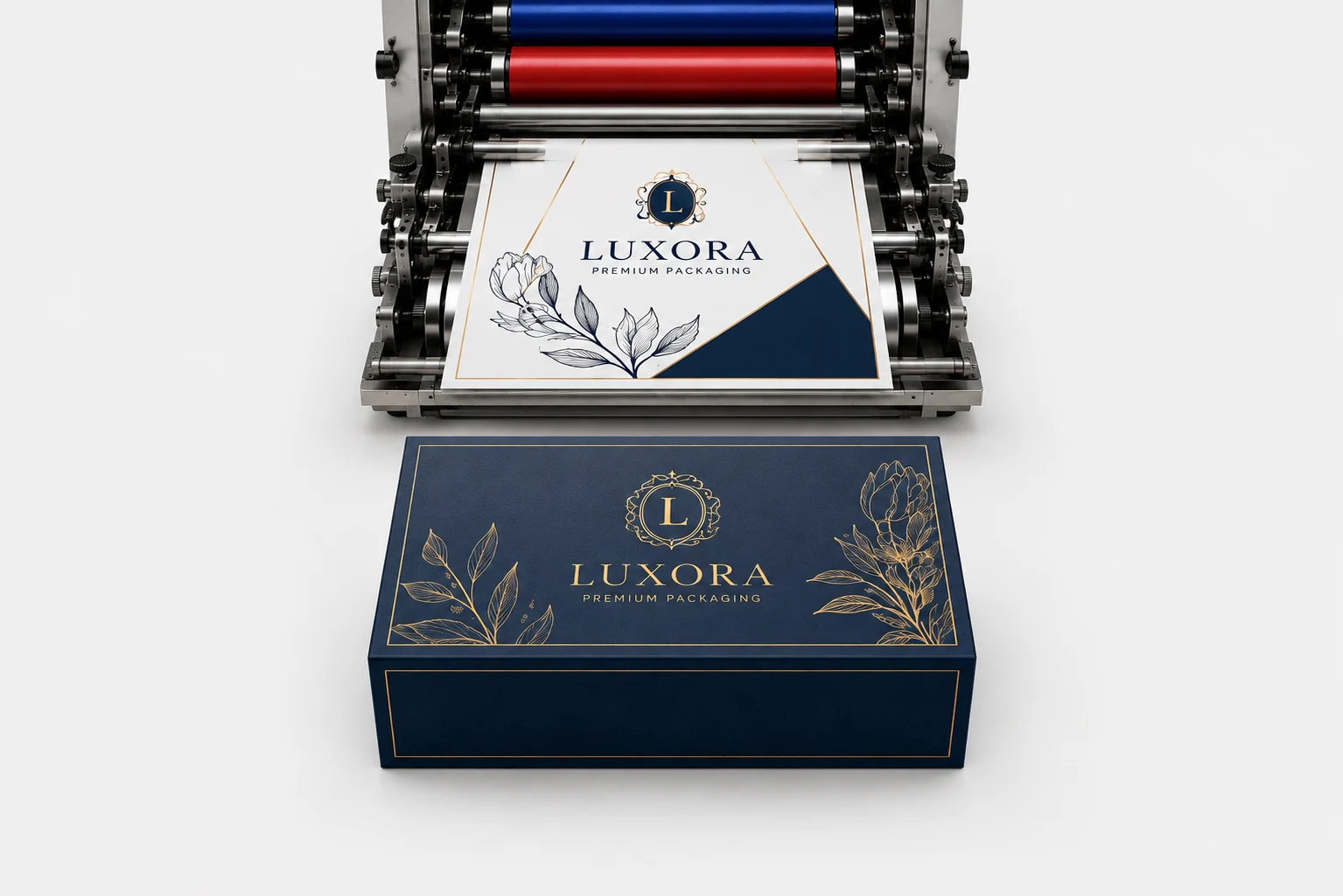
Have you ever purchased a luxury watch and ended up admiring its packaging box? Its sleek texture, its weight, its look, everything looks exclusive, doesn’t it? Well, that type of box was surely not made of standard paper. The silent hero behind all the qualities and visual appeal you saw in that box is grey board. What is grey board? Let’s have a closer look at this material, how it is made, its use case, and everything in between!
What is Grey Board?
Grey board, greyboard, or grey chipboard, however you know the name, is a heavy-duty material made entirely from recycled paper fibers.
Unlike standard packaging material, grey board is super solid throughout. It is preferred for its strength, flat surface, and eco-friendly footprint. And since this material is made from 100% recycled paper pulp, it has a natural, earthy grey tone.
How is Grey Board Made?
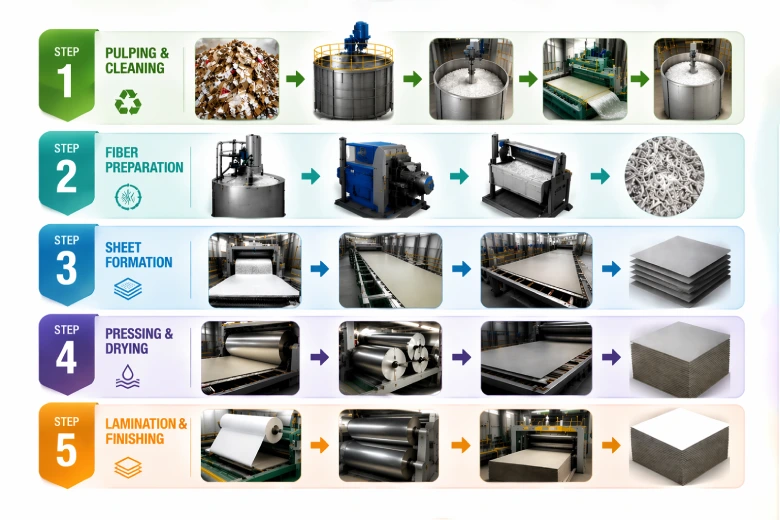
The journey from turning recycled pulp into a sturdy grey board is a fascinating example of industrial recycling.
Here are the complete steps for making greyboard.
Step 1: Pulping & Cleaning
The process begins with mixing the waste paper with water and chemicals in a giant vat called a pulper. This breaks the paper down into a thin, watery mixture. During this stage, any contaminants like staples, plastic, or ink are filtered out, delivering a clean base.
Step 2: Fiber Preparation
The next stage is refining the clean pulp to make sure the fibers are the right length and consistency. This step is very essential because the quality of the fiber determines how strong and smooth the final board will be.
Step 3: Sheet Formation
During sheet formation, the pulp is spread onto a moving wire-mesh screen. As the water drains away, the fibers begin to mat together, forming a continuous wet sheet. For thicker boards, multiple layers of pulp are fused together while still wet.
Step 4: Pressing & Drying
Next, the wet sheets pass through heavy rollers (pressing) to squeeze out remaining water and increase density. Then, they will go through heated drying cylinders to evaporate any moisture. The result? A solid grey board.
Step 5: Lamination & Finishing
Once dry, the board will undergo lamination—adding a layer of white or colored paper to one or both sides.
Finally, it is smoothed by the finishing rollers and cut to specific sheet sizes.
Key Features of Grey Board
Greyboard is a popular material when it comes to designing high-end packaging for valuable, expensive products. Yes, if you have seen the premium look of rigid boxes, you have felt the quality of grey board.
It is one of the types of boards used to create these incredibly exclusive boxes. What’s another board type to create this luxury packaging? It is chipboard, the same famous name next to greyboard.
But what makes grey board so special?
It’s time to check out the key features of this material.
High Rigidity and Durability
Greyboard doesn’t bend or warp easily. It is the ideal material for creating durable perfume boxes that protect glass bottles and other packaging for fragile items.
Smooth Surface Texture
Despite being recycled, grey board has a flat, uniform surface. This surface supports gluing decorative papers or fabrics.
Moisture Resistance
While it is not waterproof, its high density helps the material resist humidity, even much better than thin paper.
Folding Endurance
This material can be grooved or “V-cut” to create sharp, 90-degree corners without cracking.
Excellent Processing Properties
Greyboard is a type of dream material for manufacturers. It can be die-cut, embossed, or foil-stamped with precise accuracy.
The Various Types of Grey Boards
Another excellent thing to note is that not all grey boards are created equal. They are categorized by their finish and their internal structure.
Here are the various types of greyboards based on their categories.
Types by Surface Finish
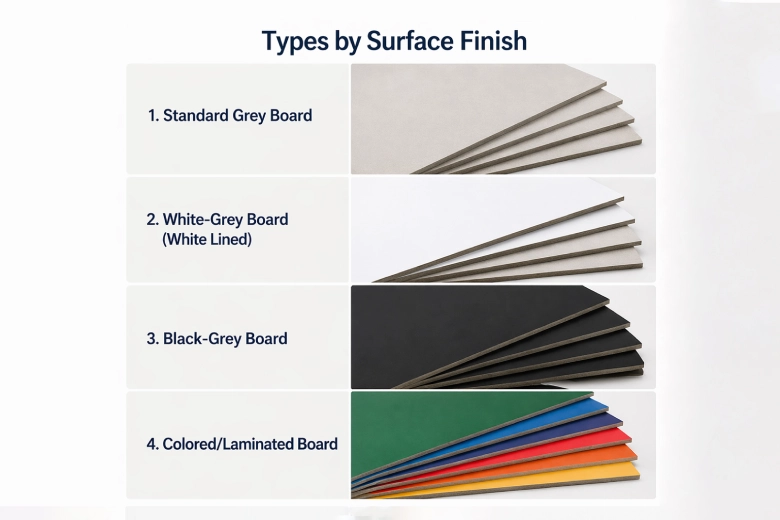
- Standard Grey Board: The raw, natural, unlined version. It’s grey on both sides and mainly used for hidden structural parts.
- White-Grey Board (White Lined): One side is coated with white paper, making it better to present a cleaner, minimalist brand aesthetic.
- Black-Grey Board: Laminated with black paper; ideal for luxury packaging.
- Colored/Laminated Board: Laminated with vibrant colors or textures for specific branding on apparel boxes or custom gift boxes.
Types by Structure & Density
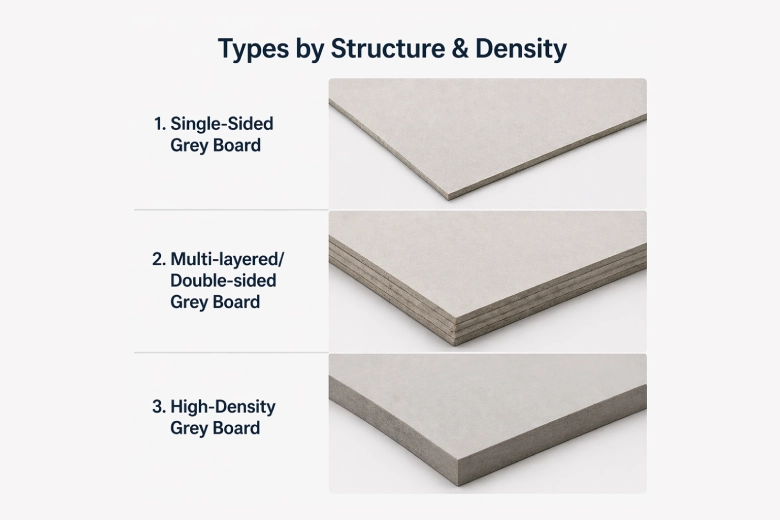
- Single-Sided Grey Board: A thinner, flexible version used for simple backing or adding protection to premium chocolate packaging boxes.
- Multi-layered/Double-sided Grey Board: Multiple layers pressed together for maximum thickness, ideal for hard book covers or personalized jewelry boxes.
- High-Density Grey Board: Compressed under higher pressure for extreme toughness and a thinner profile; the best option for storage boxes or heavy-duty electronics packaging.
Specialized Types
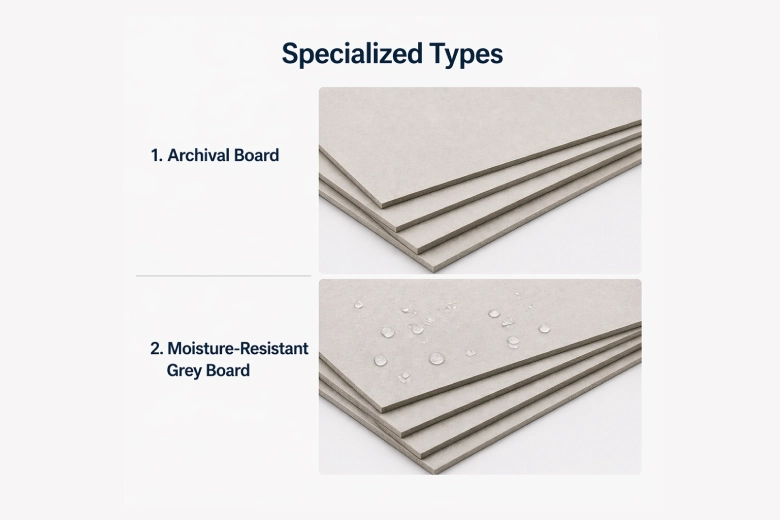
- Archival Board: Acid-free versions used for long-term storage of photos or historical documents.
- Moisture-Resistant Grey Board: Treated with special coatings for use in humid environments; perfect for bakery packaging like macaron boxes.
Greyboard Thicknesses and Density
Grey board is measured in microns (mic) or millimeters (mm). What thickness range does this material come in?
Here’s the list of common greyboard thicknesses and use cases.
- 0.8 – 1.0 mm: Light inserts, small collapsible boxes.
- 1.2 – 1.5 mm: Cosmetic boxes, notebook covers, puzzles.
- 1.8 – 2.0 mm: Standard rigid boxes, box lids, book binding.
- 2.2 – 3.0 mm+: Magnetic closure boxes, thick book covers.
And speaking of density, it is measured in GSM (grams per square meter), which directly relates to its weight and strength. The common density of grey boards ranges from 300 gsm to over 2000 gsm. Generally, a higher GSM indicates a thicker and more sturdy board.
Industry Applications of Grey Board
From your desk and packaging boxes to the warehouse, you will be able to find greyboard.
Rigid Box Manufacturing
High-density grey board in 1.5mm to 3mm thickness is the gold standard when designing a rigid box. This range of thickness makes it easier to shape this material in various box styles, from the classic two piece boxes and drawer boxes to unique shape boxes.
Bookbinding & Stationery
Standard and white-lined grey boards in 2mm to 2.5mm thick are the common choice for the hardback book covers, journals, and high-end ring binders.
Craft & DIY Projects
For model making, scrapbooking, and picture framing, standard grey board in 1mm to 1.5mm is perfect as it is easier to cut with a craft knife.
Displays & Signage
Retailers use laminated or white-lined greyboard in 2mm to 4mm thick for sturdy “Point of Sale” stands in stores.
Industrial & Logistics
High-density greyboards with thicknesses of 3mm+ are preferred as “edge protectors” or pallet liners to keep goods stable during shipping.
Benefits of Using Grey Board
Alright, now that we have revealed all the details about grey board, why do many brands choose this material?
Greyboard offers compelling benefits that no business should miss.
Here’s the list.
- Superior Strength
With its wide range of thicknesses, this material provides heavy-duty protection without the heavy weight of wood.
- Cost-Effective
As greyboard is made from recycled pulp, it’s much cheaper than plastic or virgin wood.
- Lightweight
Greyboard adds structural integrity without significantly increasing shipping costs.
- Excellent Printability
It takes glue and laminations perfectly. Whether you want a soft look, matte lamination, the velvety feel of a soft-touch coating, or a 3D texture from embossing/debossing, greyboard is printable with limitless design options.
- Flexibility
From small puzzle pieces to heavy shoe boxes, its applications are endless.
- Eco-Friendly
This material is 100% recyclable and amazingly biodegradable, making it a “green” choice for luxury brands.
Wrapping Up
To sum it up, greyboard is preferred for its strength, flat surface, and eco-friendly footprint. The process of making this material involves pulping & cleaning, fiber preparation, sheet formation, pressing & drying, and lamination & finishing.
Considering its key features and benefits, grey board is widely used in rigid box manufacturing, bookbinding & stationery, craft & DIY projects, displays & signage, and industrial & logistics.
Nevertheless, whether you are planning to create luxury rigid boxes or searching for the right material for hardback book covers, greyboard is your best option.
FAQs
What is greyboard?
Grey board is a heavy-duty material made entirely from recycled paper fibers. It is preferred for its strength, flat surface, and eco-friendly footprint.
How is greyboard used?
Grey board is widely used in rigid box manufacturing, bookbinding & stationery, craft & DIY projects, displays & signage, and industrial & logistics.
What is the thickness range of greyboard?
Greyboard ranges from 0.8 to 3.0 mm in thickness.
What are the key features of greyboard?
Key features of grey board include high rigidity & durability, smooth surface texture, moisture resistance, folding endurance, and excellent processing properties.