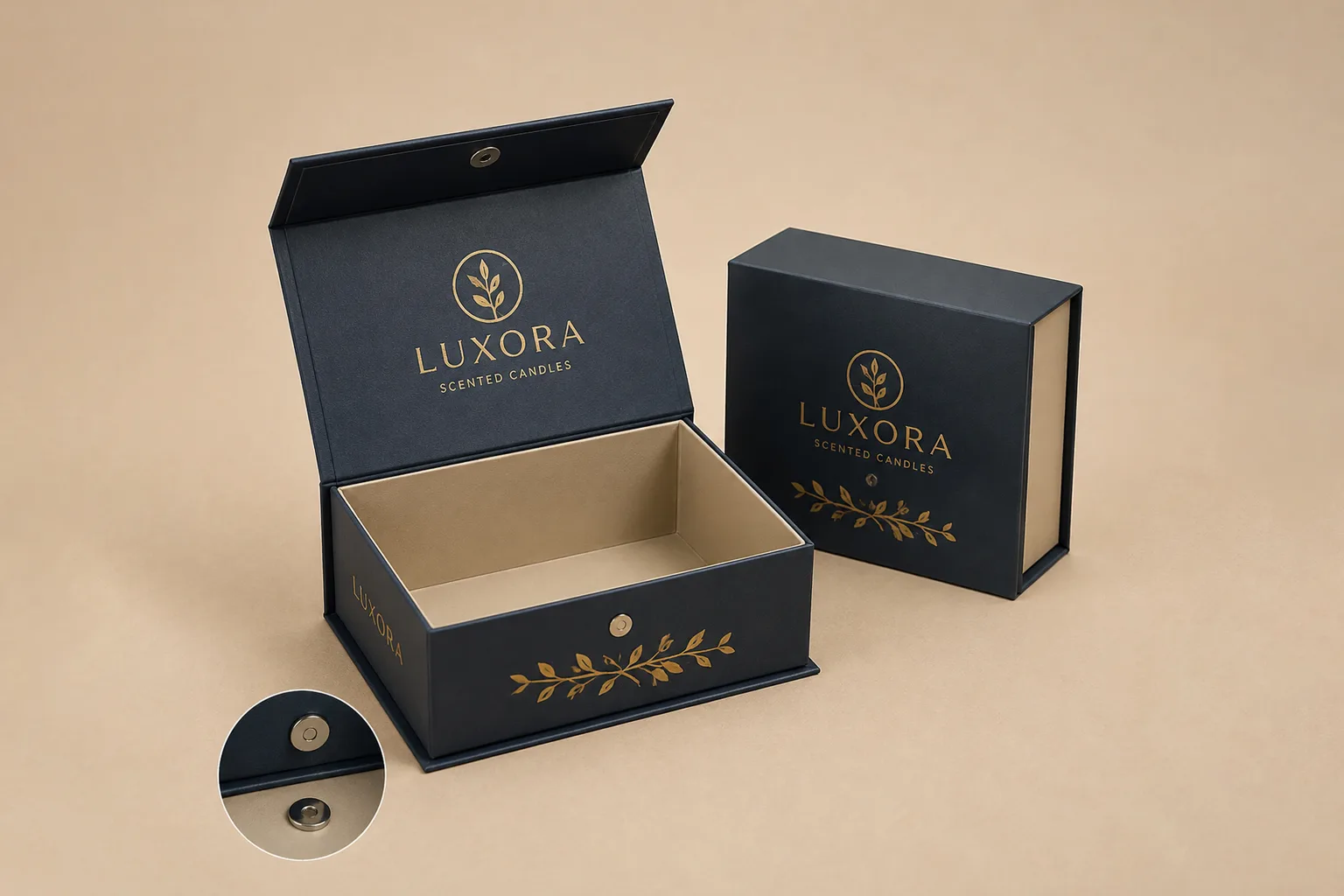
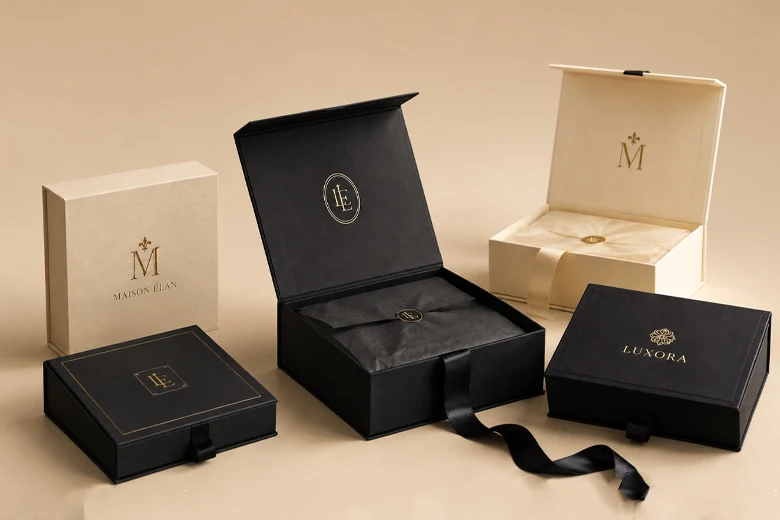
If you are selling high-end products, you surely know that rigid boxes are the gold standard of luxury packaging. And the reason is obvious; they present a premium appeal before a customer even sees your product inside.
On the other hand, rigid boxes are more complex and expensive to design than standard packaging. Accordingly, the stakes for mistakes are also much higher. Even a single design flaw can turn a luxury experience into a logistical nightmare.
What are the common mistakes you should avoid when designing a rigid box? Let’s check them all.
Ignoring Target Audience Needs
It’s easy to design a rigid box packaging that looks cool. Yet, if it doesn’t resonate with your buyers, it’s a wasted investment.
Here’s the explanation.
If your products are meant for teenagers or young adults, overly minimalist, plain, or somber designs will fail to catch their eye.
On the other hand, if you are offering items like supplements for seniors, a box with very small, thin fonts or low-contrast colors can make them hesitate to grab your products.
The Impact
A mismatch between packaging and audience expectations leads to low brand loyalty. If your audience values minimalism and you deliver a “loud,” neon-colored box, you’ve lost them at the doorstep.
How to Avoid This Mistake?
Do proper research on your target audience (their likes and preferences) before designing your box.
Neglecting the Product’s Specifications
Designing a box before finalizing the product specifications is a recipe for disaster. Well, you surely cannot present a watch in a jewelry box, even when you choose the same shoulder neck rigid box style.
The Impact
Ignoring the product’s specification will leave you with a box that’s either too small (causing the product to bulge or break) or too large (requiring excessive filler). As a result, it makes your brand look unprofessional.
How to Avoid this Mistake?
You must first understand your product’s specifications to determine the right rigid box size.
Choosing the Wrong Materials for the Sake of Price
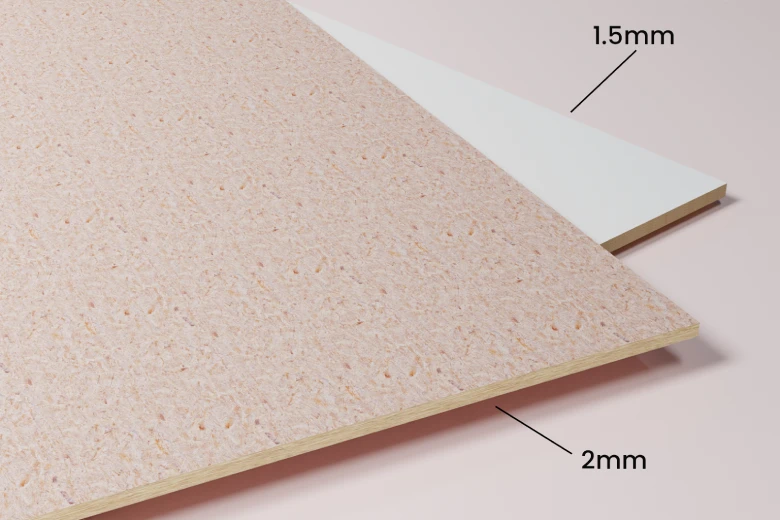
Imagine choosing 1.2 mm greyboard to save $0.10, only to have the lids bend under your product’s weight. The wrong choice leads to weak structure and poor shelf presence.
If you don’t know the thickness differences between greyboard and chipboard, you won’t be able to choose the right one.
The Impact
Low-quality board warps easily. On the other hand, a sturdy yet flimsy material might weaken the “premium” price point of your product.
How to Avoid this Mistake?
Understand the different boards used for rigid boxes, including their thicknesses and capabilities.
Focusing Form Over Function (Poor Design Structure)

Not every box style works for every product. Selecting the wrong structure can make your product hard to access.
The Impact
When you use a round box for a square item, it will only create wasted space and high shipping costs.
How to Avoid this Mistake?
When designing a rigid box, make sure you choose the right style for the right product.
For example:
- Magnetic Closure Boxes: Perfect for high-end electronics or luxury skincare.
- Drawer Boxes: The sliding-drawer structure is great for small jewelry packaging or gourmet chocolate boxes.
- Shoulder Neck Boxes: The shoulder neck style is perfect for high-end perfume boxes.
- Round Boxes: The soft edges of the round design are ideal for luxury candle boxes or premium gift boxes.
- Book Style Boxes: Open like a book, this style is excellent for influencer PR boxes or promotional subscription packaging.
Overdesigning
Luxury packaging is about creating an overall appearance that feels exclusive without overdesign. Don’t make your design look crowded with multiple font styles, mismatched color schemes, and complex patterns—it will only create “visual noise.”
The Impact
Overdesigning buries your brand identity. It makes your packaging look “cheap” rather than sophisticated. Luxury is often found in the silence of white, clean space.
How to Avoid this Mistake?
Use only a few color options—choose the one that best reflects your brand’s identity. Also, apply the patterns that align with your product’s characteristics.
Misleading Aesthetics
Your boxes make a promise. A box featuring high-resolution images of all the ingredients, but with an actual product inside that is only a small item, will lead to customer complaints.
On the other hand, applying a high-gloss finish to a box designed for a matte, eco-friendly product can create a disconnect between your brand’s promise.
The Impact
Misleading aesthetics will only lead to negative reviews and high return rates.
How to Avoid this Mistake?
Ensure your packaging reflects the product, not lies about it.
Applying Unsuitable Finishing Options
Luxury rigid boxes are famous for their printable feature. In fact, there are many types of laminations to choose from. Ignoring matte or gloss lamination is a missed opportunity. However, choosing bad versions of them is worse.
Wrong finishing creates either an overcomplicated look or an unremarkable box. Improper use of foil stamping, spot UV, or embossing will reduce your brand consistency, making your packaging a waste of money.
The Impact
Poorly applied foil stamping flakes off, and cheap matte lamination shows every fingerprint. An unsuitable finish makes your box look unprofessional before it even reaches the customer.
How to Avoid this Mistake?
Choose the right finish by considering the factors below:
- Foil Stamping is best for luxury details, but it cannot cover a large area.
- Spot UV provides a glossy contrast, but it can reduce clarity.
- Emboss/Deboss offers a tactile highlight, but too deep or wide causes cracking
Neglecting the Quality Control
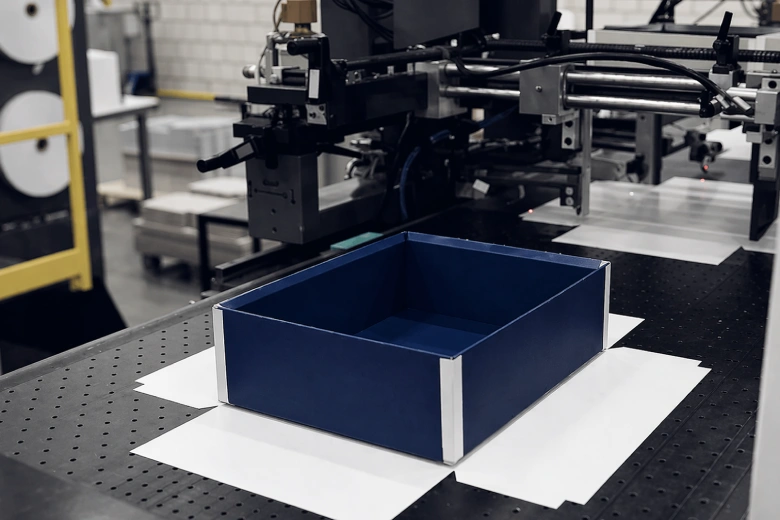
Trusting the first sample while skipping quality checks for mass production can lead to unexpected defects.
The Impact
You risk the boxes with misaligned magnets, glue spots, or peeling edges.
How to Avoid This Mistake?
Make sure you choose a rigid box manufacturer that provides:
- Pre-production sample.
- In-process quality control during wrapping.
- Final inspection before shipping.
Ignoring Flexibility and User Convenience
If a customer needs a tutorial video just to open your box, you’ve failed to build their loyalty. For example, overcomplicating opening mechanisms can create improper fits.
The Impact
If the “friction” of opening the box is too high, the unboxing experience becomes a chore rather than a delight.
How to Avoid This Mistake?
Understand and apply the right types of rigid box closures (magnetic, hinged lid, or drawer closure) that won’t frustrate customers when opening the box.
Prioritizing Looks Over Protection
A beautiful box is useless if your product inside arrives in pieces. Or else, creating an excessively large box to make a product appear more luxurious will only leave too much room for movement, increasing the likelihood of damage.
The Impact
High replacement costs and unhappy customers.
How to Avoid This Mistake?
Never sacrifice structural integrity or internal cushioning for a sleeker exterior. For better product protection, use high-quality cardboard or EVA foam inserts to cradle your product safely.
Not Focusing on Reusability and Sustainability
In today’s market, luxury is often associated with eco-consciousness. Over-packaging and inefficient sizing make your box the main contributor to packaging waste.
The Impact
Eco-conscious customers may hesitate to purchase from your brand. If you don’t design for reusability (making the box a keepsake), your box simply becomes high-end trash.
How to Avoid This Mistake?
Choose from box styles customers will love to reuse, like two piece boxes or holographic rigid boxes. Alternatively, you can go with collapsible rigid boxes that fold flat for more convenient reuse.
Skipping Professional Guidance
Rigid box dielines are very tricky. If this is new to you, trying to DIY the technical specs will lead to errors.
The Impact
Misaligned graphics at the corners or “bleeding” issues.
How to Avoid This Mistake?
Get professional packaging designers to save you money in the long run.
Ignoring Logistics and Packaging Safety

Most rigid boxes don’t ship flat (except the collapsible versions). This means you are paying to ship “air.” Moreover, a lack of inner protection may cause them to collapse in transit.
The Impact
Sky-high shipping and storage costs.
How to Avoid This Mistake?
Consider how your boxes fit into master shippers to maintain the logistics budget.
Overlooking MOQ and Turnaround Times

Never think 200 rigid boxes can finish in a week; every piece is hand-wrapped. The entire process of designing a rigid box takes much longer than that for standard boxes. When you overlook the MOQ and turnaround times, you might need to delay product launches and miss seasonal peaks.
The Impact
If you don’t plan ahead, you will be left with products and no way to pack them.
How to Avoid This Mistake?
Make sure you ask your packaging supplier about the turnaround time and plan for a 4–8-week lead time (plus shipping).
Ignoring the Budget
How much do rigid boxes cost? Undoubtedly, they are more expensive than standard packaging. However, these boxes are a worthy investment for every business.
And it is very easy to get carried away with “add-ons” when it comes to designing a luxury rigid box. But do note that each add-on costs money. Overspending on packaging can eat your profit margin.
The Impact
You end up with a luxurious box that makes your business unprofitable.
How to Avoid This Mistake?
Focus on one add-on to make a “wow” factor—be it embossing, foil stamping, or aqueous coating. Also, start with a small batch order.
Final Thoughts
No doubt, designing a rigid box is an art form. By avoiding these 15 common mistakes, you ensure that your box isn’t just a container, but a powerful brand ambassador. Remember: your rigid box packaging is the first thing customers touch, but the experience is what they will remember.
FAQs
How to design a rigid box that my target audience likes?
Do proper research on your target audience (their likes and preferences) before designing your box.
What happens if I do overdesign on a rigid box?
Overdesigning buries your brand identity. It makes your packaging look “cheap” rather than sophisticated. Luxury is often found in the silence of white, clean space.
How to ensure product protection when designing a rigid box?
To ensure product protection, choose the right material thickness, select the appropriate box style for your product, and include cardboard or EVA foam inserts to cradle it safely.
How can I ensure I receive rigid boxes before the product launch?
Make sure you ask your packaging supplier about the turnaround time and plan for a 4–8-week lead time (plus shipping).