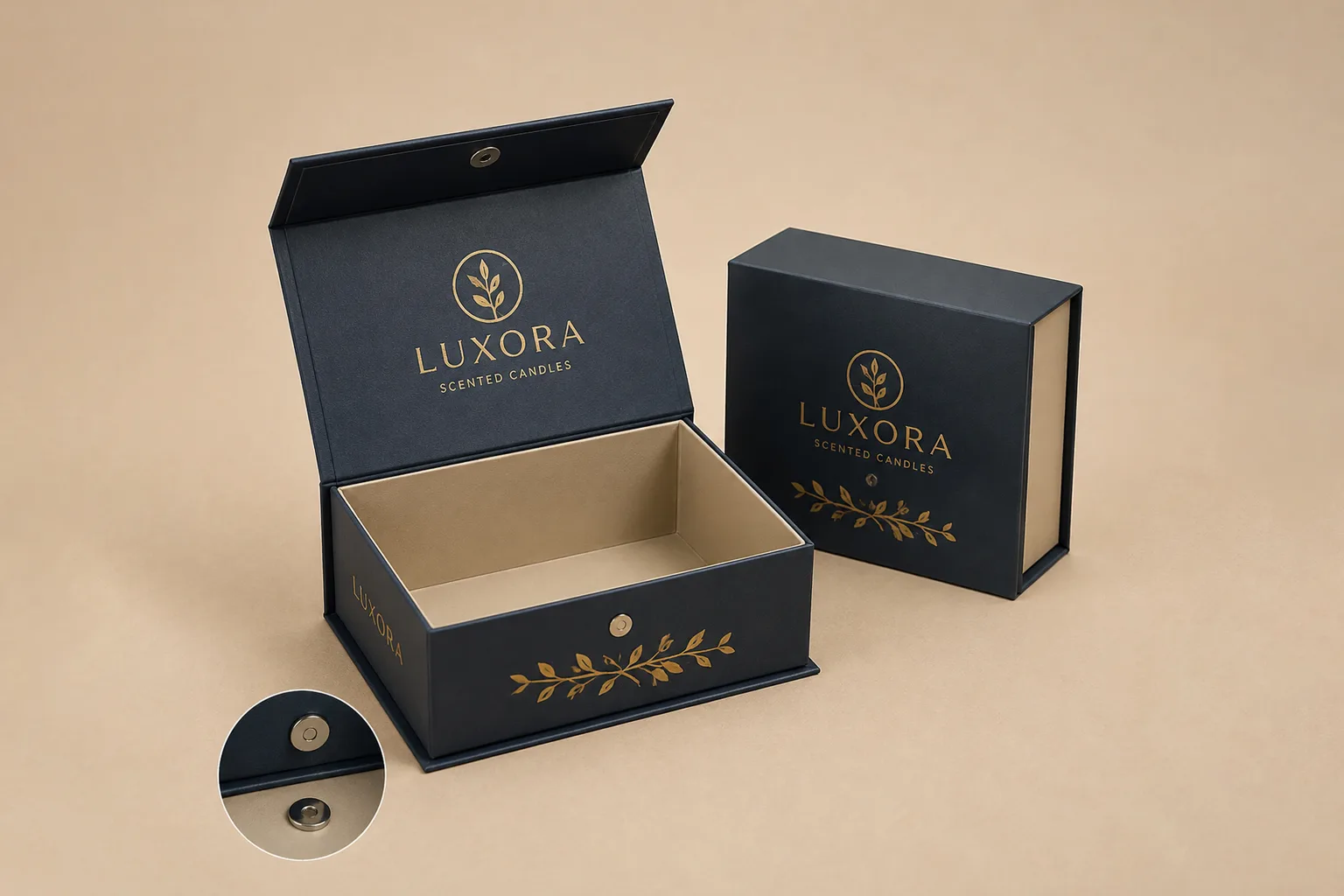
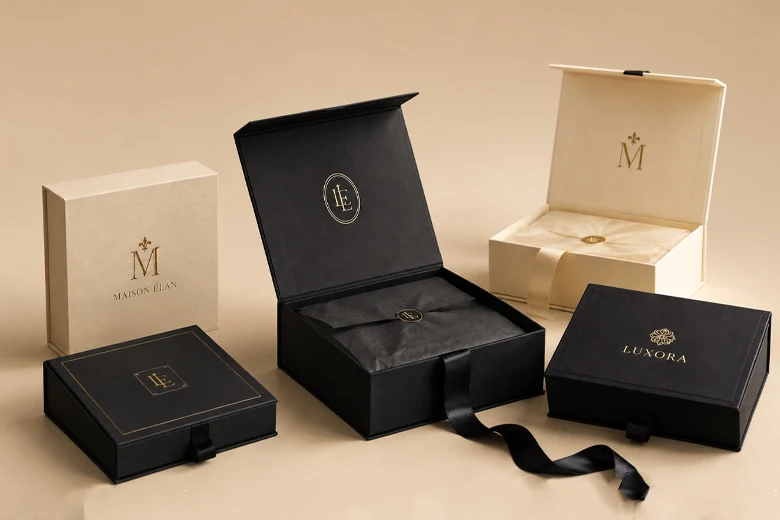
When it’s time to choose packaging that screams “luxury,” two heavyweights enter the ring: collapsible rigid boxes and setup boxes. Both offer high-end weight and flawless aesthetics that make every product feel expensive.
But, of course, choosing between them isn’t just about looks. It is a strategic decision that affects your shipping costs, warehouse space, and assembly line efficiency.
Let’s break down the differences between collapsible rigid boxes vs setup boxes so you can choose the perfect fit for your brand.
What are Collapsible Rigid Boxes?
Collapsible rigid boxes (also known as foldable rigid boxes) are a modern engineering marvel in the packaging world. They are designed to deliver the sturdy structure and premium feel of rigid boxes, but with a twist: they can fold completely flat.
Using strategically placed creases, scoring lines, and hidden magnets or adhesive tape, these boxes ship as flat sheets and pop up into heavy-duty boxes in seconds. They offer the ultimate balance between luxury presentation and logistical efficiency.
What are Setup Boxes?
Setup boxes are the classic version of rigid packaging. Unlike collapsible styles, setup boxes are manufactured, glued, and assembled into their final 3D shape right at the factory.
Think of the iconic Apple packaging box or a high-end designer shoe box. When they ship to your warehouse, they arrive fully formed and ready to be filled. They offer unmatched structural integrity and a completely seamless look, as they do not require any folding joints or hidden seams.
Collapsible Rigid Boxes vs Setup Boxes: What’s the Difference?
At first glance, a collapsible box and a setup box can look nearly identical on a retail shelf. However, the main difference lies in their delivery state and structural flexibility.
- Collapsible boxes are dynamic; they travel flat and rely on mechanical joints to become rigid.
- Setup boxes are static; they are made rigid at the factory and stay that way forever.
While they serve the same ultimate goal—elevating your product’s perceived value—the underlying mechanics of these two box types are vastly different.
So, let’s explore the differences between collapsible rigid boxes and setup boxes.
Materials and Core Thickness
Both box styles rely on the same fundamental inner core made of greyboard or chipboard. Then, they are wrapped in premium art paper, kraft paper, or textured specialty stocks.
However, their thickness profiles differ because they are made differently.
- Collapsible Boxes
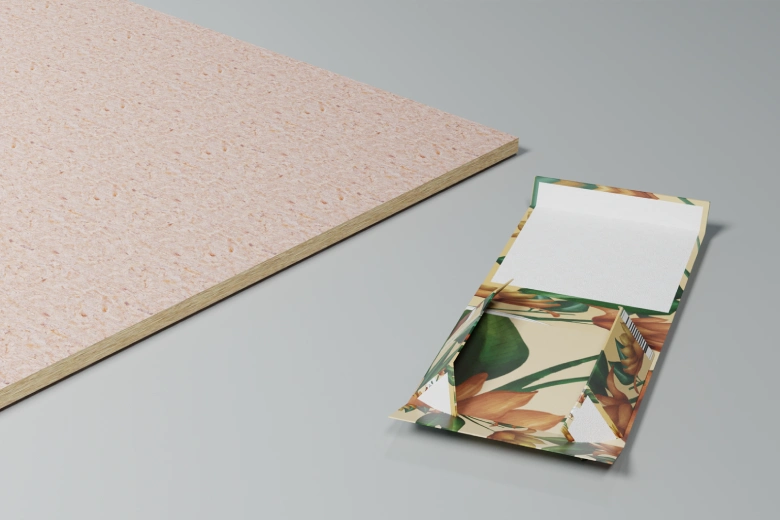
Slightly thinner or more flexible chipboard panels (1-2mm thick). The board must be precisely die-cut into individual panels with tiny gaps between them so the box can fold flat along its seams.
- Setup Boxes
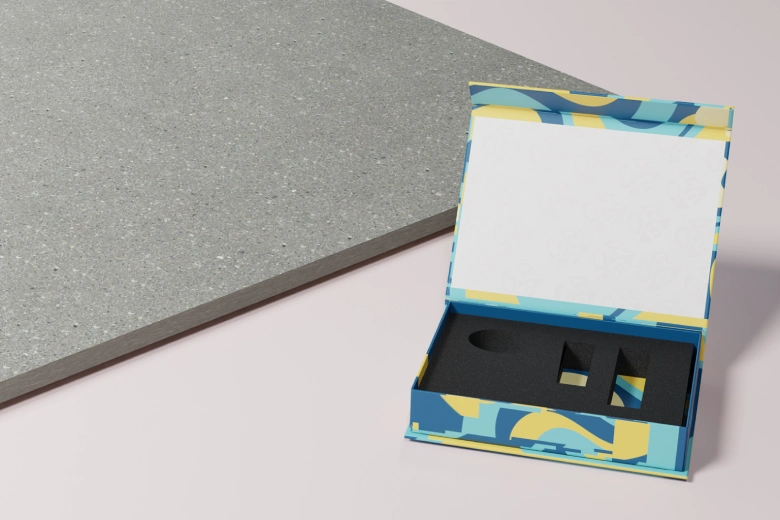
Use a thicker greyboard (1-3mm or more). Because the box never needs to bend or fold, you can use maximum thickness for an ultra-solid feel.
Production and Manufacturing
Speaking of the manufacturing process, it highlights a major difference between the two in automation and labor.
- Collapsible Boxes
Require a more intricate, multi-step production process. Panels must be spaced precisely, magnets must be hand- or machine-embedded into the board, and adhesive tape strips must be applied to the folding flaps. This often adds complexity to the initial manufacturing phase.
- Setup Boxes
Produced on automated, high-speed rigid box forming lines. The machine cuts the board, scores the corners, seals the sides with tape, and wraps it in paper in one continuous, seamless loop.
Durability and Structure
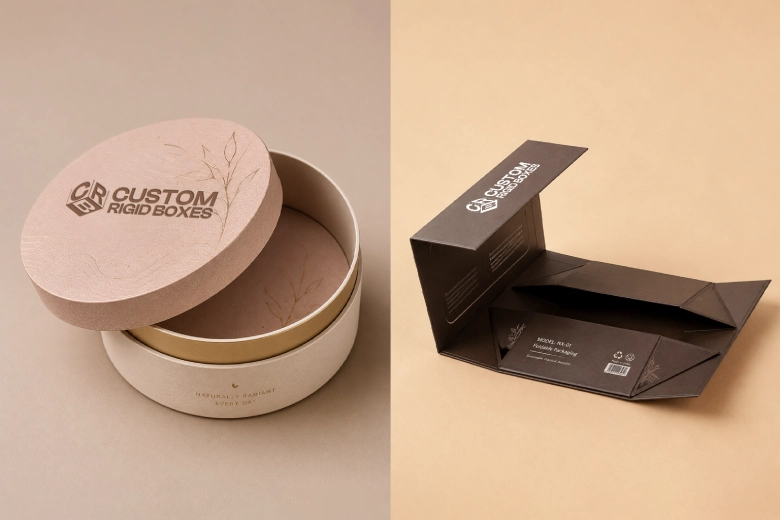
We all know that one of the benefits of rigid boxes is their ultimate product protection. So, how durable are collapsible rigid boxes and setup boxes?
- Collapsible Rigid Boxes
These boxes are remarkably strong. However, they rely on magnets, interlocking tabs, or double-sided tape at the corners to stay assembled. While perfect for most retail goods, collapsible boxes have a minor structural vulnerability along the fold lines, especially in heavy loads or rough handling.
- Setup Boxes
Because they are permanently glued at the factory with no moving parts, setup boxes support heavy products like electronics or glass jars. They prevent the walls from bending or collapsing under pressure.
Customizations
When it comes to aesthetic upgrades, both styles offer a great canvas. You do not have to sacrifice creativity for functionality.
On both collapsible and setup boxes, you can apply a wide range of customization options, including:
- Sizes: Custom-designed to fit your specific product dimensions.
- Printing: High-resolution CMYK printing, Pantone matching, and inside-the-box printing.
- Finishes: Matte, gloss, or soft-touch velvet laminations.
- Add-ons: Foil stamping, embossing/debossing, spot UV, aqueous coating, and window patching.
Unboxing Experience & Aesthetics

Luxury packaging offers the premium aesthetics that enhance customers’ unboxing experience. Given their durability and customization options, collapsible and setup boxes offer unique unboxing experiences.
- Collapsible Boxes
Offer a highly premium unboxing experience—especially magnetic styles that snap open with a satisfying click. However, the interior will often feature subtle lines where the box folds, and customers might see the adhesive backing tabs at the corners.
- Setup Boxes
The unboxing is flawless, with no visible seams, score lines, or tape. These boxes also provide a luxurious, slow-release air-suction effect when lifting a tight-fitting lid.
Assembly and Fulfillment
Now let’s talk about the assembly and fulfillment processes.
- Collapsible Rigid Boxes
Collapsible rigid boxes require manual assembly before fulfillment. Your team must peel off the adhesive backing, pop the walls into place, and press the corners together. While quick per box (5–10 seconds), this adds up significantly over thousands of units.
- Setup Boxes
Setup boxes, on the other hand, require zero assembly time at your fulfillment center. Your team simply lifts the lid, drops your product in, and closes it. This speeds up your packing lines.
Shipping and Storage (Logistics)
The logistics consideration is where the battle is decisively won or lost, depending on your business model.
- Collapsible Boxes
Because they store 100% flat, they take up to 75% to 80% less warehouse space than setup boxes. You can fit more units onto a single shipping pallet, slash freight costs, and save valuable storage square footage.
- Setup Boxes
These boxes are already assembled. Thus, they take up significant warehouse space and incur high freight costs (dimensional-weight shipping charges). One truckload of setup boxes might hold only a fraction of the actual packaging units you need.
The Style Options
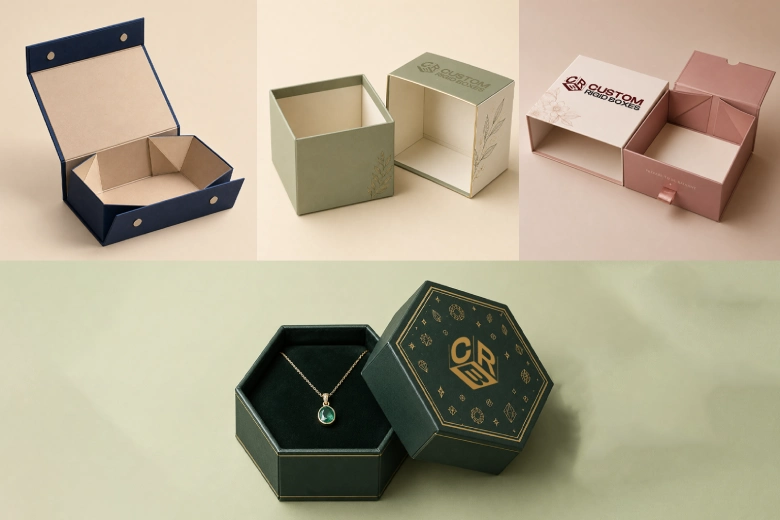
The style of your box decides how your customer interacts with your brand. Here are the most popular styles for both categories.
Collapsible Box Styles
- Magnetic Collapsible Boxes: A one-piece design with a flip-top lid. Concealed neodymium magnets snap securely to the front wall, offering a sleek, reusable, and interactive closure.
- Foldable Lid Boxes: A classic two-piece style (separate lid and base) that folds flat. The corners feature self-adhesive tape or locking tabs that permanently secure the walls.
- Collapsible Drawer Boxes: Consist of a rigid outer sleeve and an inner tray. The inner tray folds completely flat and slides open for a sleek presentation.
Popular Setup Box Styles
A three-piece construction where an inner container (the neck) creates a unique “shoulder” or gap between the lid and base. The lid rests flush against this shoulder, creating a visually stunning, high-contrast border line; ideal for jewelry and exclusive perfumes.
The lid completely or partially covers the base tray. Two piece boxes are simple, timeless, and perfect for everything from high-end apparel to electronics.
Setup boxes can be manufactured into custom shapes, including smooth, seamless rounds. With their soft edges, round boxes are highly prized for luxury candles, cosmetics, and artisanal chocolates.
Designed with an entirely seamless outer sleeve that houses an inner tray that pulls out smoothly via a ribbon pull or a finger notch.
A setup version where a rigid internal tray is permanently glued into a three-panel outer folder cover. These boxes open exactly like a hardcover book and often use a magnetic flap to keep them sealed.
A protective, five-sided box that is open on one end. Slipcase boxes are designed to house books, multi-disc media sets, or secondary luxury items. These boxes slide over your products to provide upscale protection.
Cost Structure
Setup boxes often have a lower per-unit manufacturing cost because their assembly lines are highly automated.
Meanwhile, collapsible rigid boxes cost more to manufacture due to the added labor required to embed magnets and create complex folding joints.
But if you factor in freight and storage, collapsible boxes are the more cost-effective option—especially if your packaging is manufactured overseas and shipped by sea or air.
Collapsible Rigid Boxes vs Setup Boxes: A Quick Comparison
| Feature | Collapsible Rigid Boxes | Setup Boxes |
| Materials & Thickness | Chipboard (1-2mm thick) | Greyboard (1-3mm or more) |
| Manufacturing | Multi-step production process | Automated, high-speed process |
| Durability & Structure | Strong, rely on magnets, interlocking tabs, or double-sided tape at the corners | Highly durable and glued at the factory with no moving parts |
| Customizations | Custom sizes, printing, finishes, and add-ons | Custom sizes, printing, finishes, and add-ons |
| Unboxing Experience & Aesthetics | Premium, but subtle lines and adhesive backing tabs might be visible | Flawless, with no visible seams, score lines, or tape |
| Assembly | Manual assembly before fulfillment | Zero assembly |
| Shipping & Storage | Take up to 75% to 80% less warehouse space, and a low shipping cost | Take up significant warehouse space; high freight costs |
| Style Options |
|
|
| Cost | Cost more to manufacture | A lower per-unit manufacturing cost |
Which Rigid Packaging Style is Right for You?
To make the final call, you should evaluate your business operations.
Choose collapsible rigid boxes if:
- Your warehouse storage space is limited or expensive.
- You want to minimize high ocean/air freight costs.
- Your product volume is high, but your storage footprint is small.
- You want a highly reusable box that customers will keep and use again.
Choose setup boxes if:
- You have ample warehouse space to store bulky, pre-assembled pallets.
- Your fulfillment process needs to be ultra-fast (no time to peel-and-stick box walls).
- Your product is exceptionally heavy and requires seamless, unyielding structural support.
- You require unique shapes, such as round, pentagon, hexagon, or triangular ones.
In Summary
No doubt, both collapsible rigid boxes and setup boxes offer high-end weight and flawless aesthetics that make every product feel expensive.
By considering your available storage space and fulfillment speed relative to manufacturing costs, you can choose the option that maximizes your profit margins while still providing a luxury unboxing experience.
So, which one do you think is perfect for your brand?
FAQs
What are collapsible rigid boxes?
Collapsible rigid boxes feature strategically placed creases, scoring lines, and hidden magnets or adhesive tape. These boxes ship as flat sheets and pop up into heavy-duty rigid boxes in seconds.
What are setup boxes?
The setup boxes are manufactured, glued, and assembled into their final 3D shape right at the factory.
What’s the main difference between collapsible rigid boxes vs setup boxes?
Collapsible boxes are dynamic; they travel flat and rely on mechanical joints to become rigid. Meanwhile, setup boxes are static; they are made rigid at the factory and stay that way forever.
Which one is easier to assemble: collapsible or setup boxes?
Collapsible rigid boxes require manual assembly before fulfillment. While quick per box (5–10 seconds), this adds up significantly over thousands of units. Setup boxes, on the other hand, require zero assembly time at your fulfillment center.