When you hold high-end packaging, that signature “WOW”—whether it’s a brilliant shine or a soft texture—doesn’t happen by accident. Choosing the right finish is one of the most essential decisions in packaging design. It is the difference between a box that gets scuffed on a retail shelf and one that stays perfect and eye-catching.
Two finishing options that have become popular are UV coating and varnish. Both are preferred by many brands because they deliver an impressive product’s look, right from the packaging.
But what’s the difference between UV coating vs varnish? And how do you choose the right one for your product packaging? Let’s explore the key comparison of the two in detail.
What is UV Coating?
UV (Ultraviolet) coating is a clear, liquid compound applied to printed materials and instantly cured using intense ultraviolet light. Think of it like a “liquid plastic” shield. It is famous for delivering the highest level of gloss. Plus, this technique makes your packaging colors look incredibly deep and vibrant.
What is Varnish?
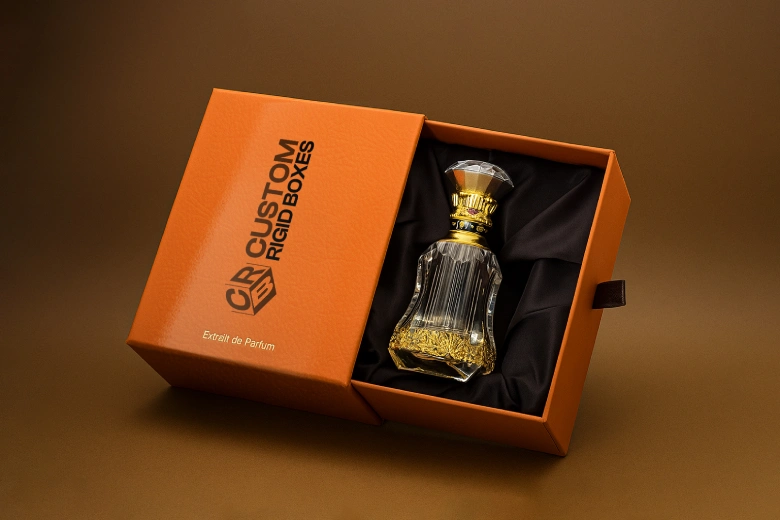
Varnish is essentially “clear ink.” It is applied on a standard printing press just like Cyan, Magenta, Yellow, or Black (CMYK). Because it’s thinner than UV coating, it offers a more subtle, natural look. This technique has been the industry standard for decades for basic protection against fingerprints and dust.
Key Comparisons Between UV Coating and Varnish
The main difference between UV coating and varnish lies in application: As the name suggests, UV coating uses UV lamps to cure immediately. Meanwhile, varnish dries through evaporation or oxidation.
While both UV coating and varnish serve to protect and enhance, they act very differently. UV coating is about impact and protection, while varnish is about subtlety and cost-efficiency.
Here are the key comparisons between these modern finishes.
The Process of UV Coating
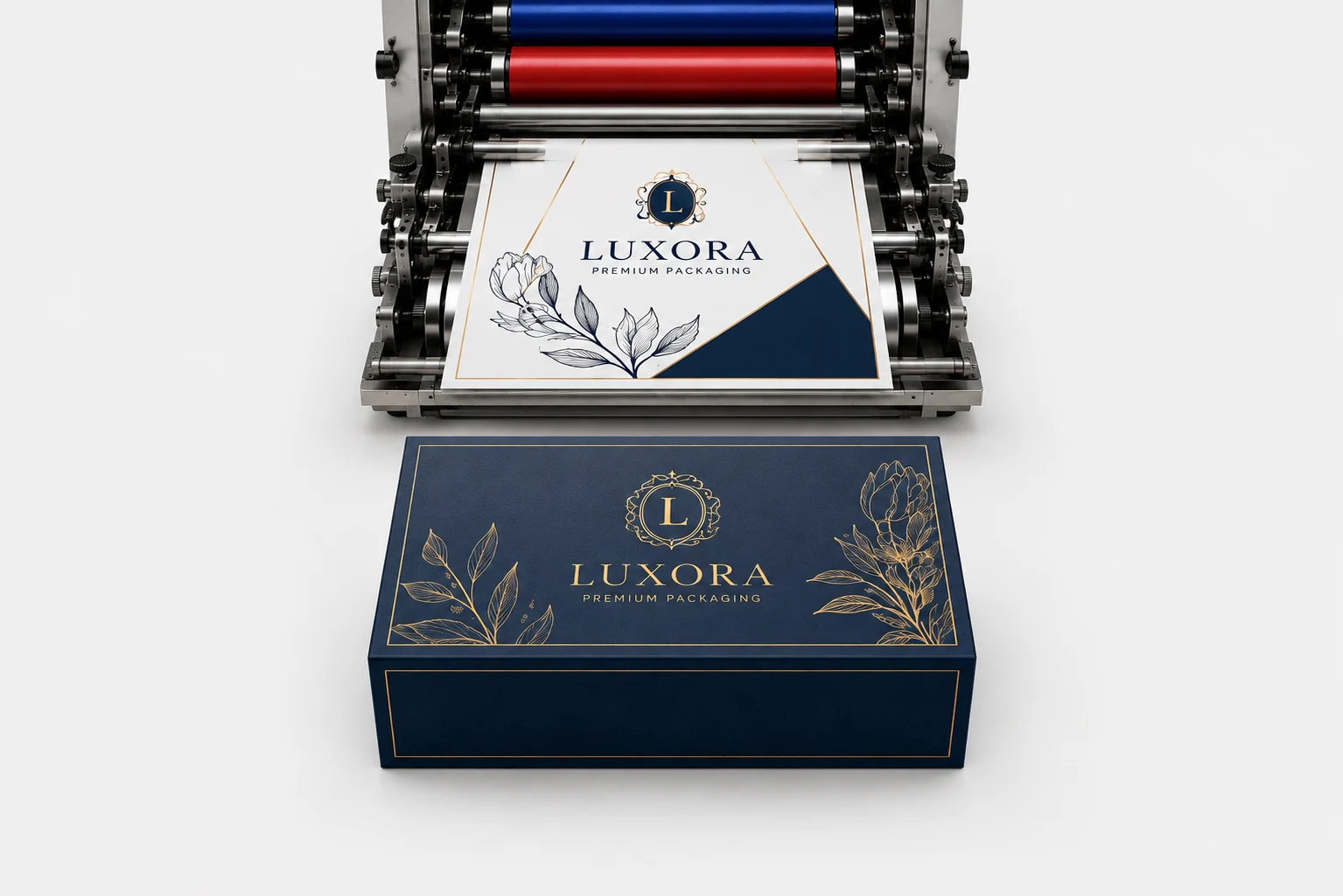
UV coating is applied via a specialized roller or screen-printing unit. Once the liquid is spread across the paper material, it passes under a series of UV lamps. The light then triggers a chemical reaction called “polymerization,” turning the liquid into a solid film in a fraction of a second. This instant cure means the sheets can be handled, folded, or shipped immediately.
The Process of Varnish
Varnish is applied using the same plates as the rest of your packaging design. It “dries” rather than “cures.” Depending on the type, it dries through evaporation or absorption into the paper fibers. This is a slower, more organic process that integrates the coating into the paper rather than sitting on top of it.
Material Compatibility
Each finish has compatible materials, so your design will look more impressive when applied to those materials.
Ideal Materials for UV Coating
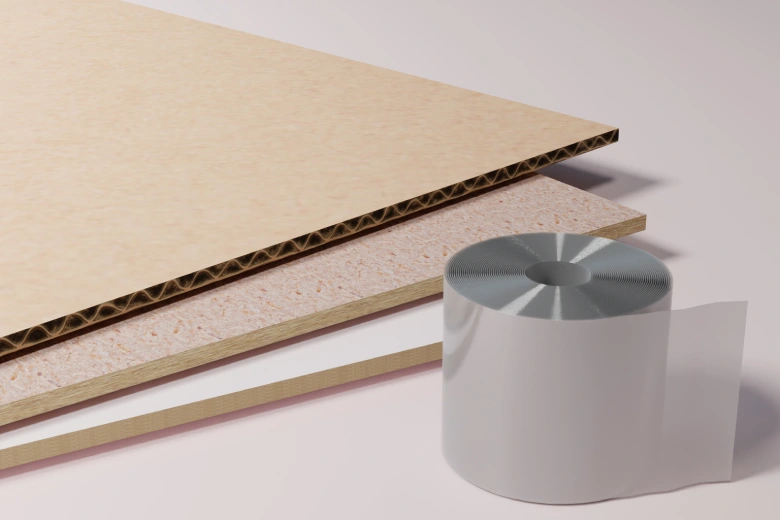
Because UV coating sits on the surface, it needs a non-porous base to prevent it from soaking in and losing its luster.
- Paperboard: Provides a durable base for UV coating and is commonly used for cosmetic boxes.
- Corrugated: Ideal for e-commerce and mailer boxes, offering enhanced strength and a premium finish on high-end boxes.
- Rigid Stock: Both greyboard and chipboard are highly compatible with UV coating in high-end packaging boxes.
- Plastic Materials (PET, HDPE, PP): Widely used for skincare and cosmetic packaging (tubes, bottles), providing a durable, high-polish look.
- Laminated Surfaces: Laminated paperboard works well for achieving the best-quality glossy results.
Ideal Materials for Varnish
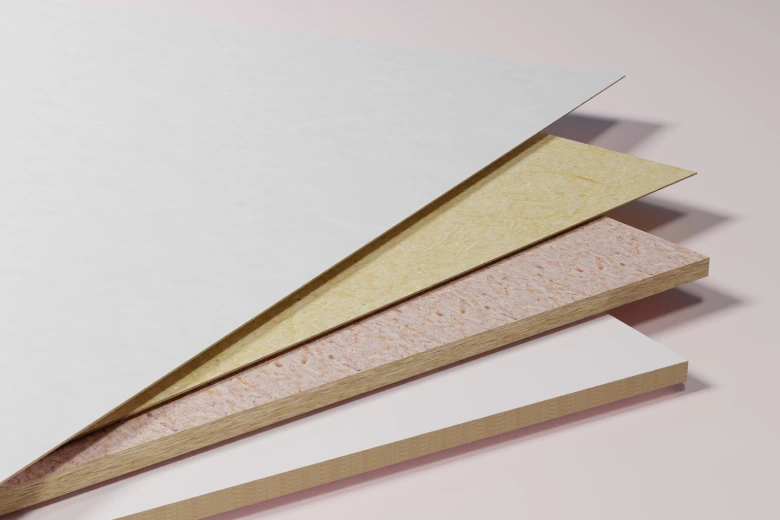
Since it acts like ink, it adheres well to various textures without the risk of “peeling” that thicker coatings sometimes face.
- Cardboard and Paperboard: Highly flexible for applying varnish for a high-quality, professional, and aesthetic finish.
- Rigid Board (with White Paper Base): Requires lamination to prevent warping and protect your rigid boxes against scratches.
- Kraft Paper: Excellent for a natural, rustic look in kraft rigid boxes.
Drying Time
UV coating dries instantly as soon as it leaves the UV dryer. On the other hand. varnish: requires lead time. Sheets often need to sit for several hours (or even 24 hours) to fully set before they can be cut or folded without smudging.
Types
Depending on how you want your box to look, there are different types of UV coating and varnish available.
Types of UV Coating
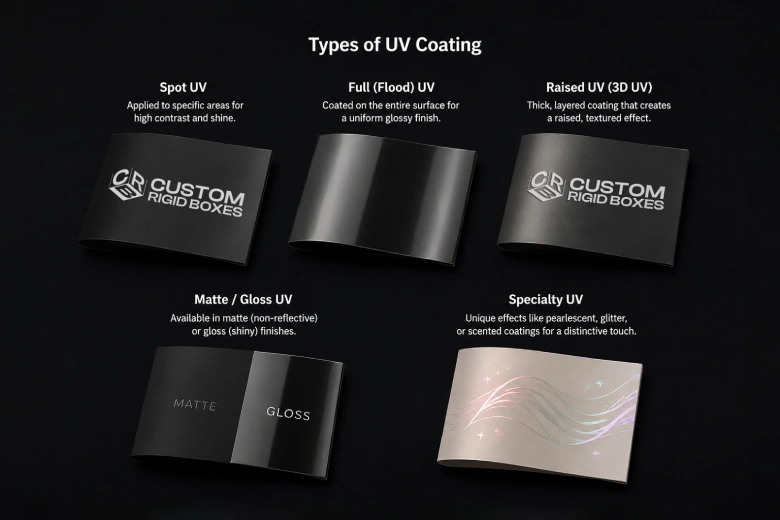
- Spot UV: Applied only to specific areas (like your logo or images) to create a glossy, high-contrast effect; often applied on luxury perfume boxes.
- Full (Flood) UV: Covers the entire surface, providing superior protection and a high-gloss or matte finish.
- Raised UV (3D UV): A thick, layered application that creates a textured effect, ideal to be included when designing a rigid box.
- Matte/Gloss UV: Offers different texture finishes, with matte providing a non-reflective, elegant look and gloss providing a shiny finish; perfect for minimalist, elegant apparel boxes.
- Specialty UV: Includes Pearlescent, Glitter, or Scented UV coatings for specific visual or sensory effects; the best option for personalized gift boxes.
Types of Varnish
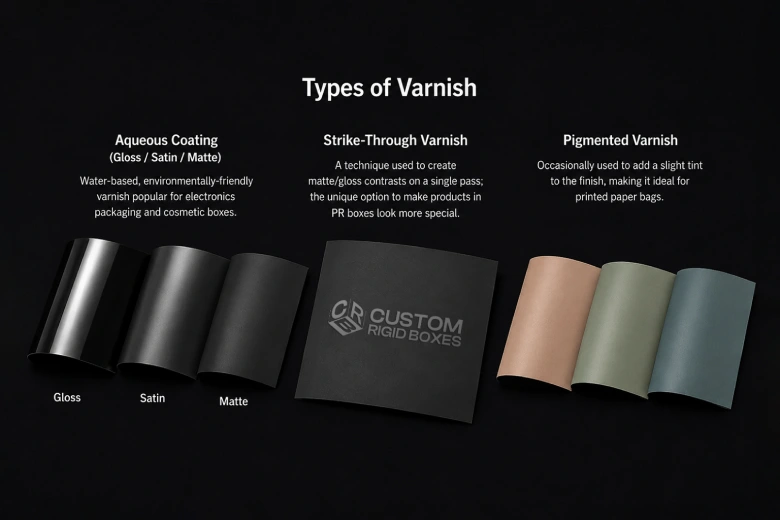
- Aqueous Coating (Gloss/Satin/Matte): Water-based, environmentally-friendly varnish popular for electronics packaging and cosmetic boxes.
- Strike-Through Varnish: A technique used to create matte/gloss contrasts on a single pass; the unique option to make products in PR boxes look more special.
- Pigmented Varnish: Occasionally used to add a slight tint to the finish, making it ideal for printed paper bags.
Appearance
UV coating provides a high-gloss, exceptionally vibrant, and durable finish that feels slick and premium. Meanwhile, varnish offers a more elegant, softer finish (matte or gloss) with a less intense shine, acting more as a protective layer.
Durability
UV coating wins when it comes to durability. It is highly resistant to abrasions, chemicals, and moisture. On the other hand, varnish offers light protection against rubbing but can still be scratched.
Flexibility
Varnish is thin, and it won’t crack when the paper is folded. UV coating is brittle; if you fold a UV-coated box without “scoring” it first, the coating may crack at the seams.
Cost
Varnish is a budget-friendly option because it requires no special equipment. Meanwhile, UV coating is more expensive due to energy costs and specialized machinery.
Sustainability
Varnish (especially aqueous type) is generally easier to recycle. UV coating can sometimes be harder to strip during the de-inking process in paper recycling.
Applications of UV Coating
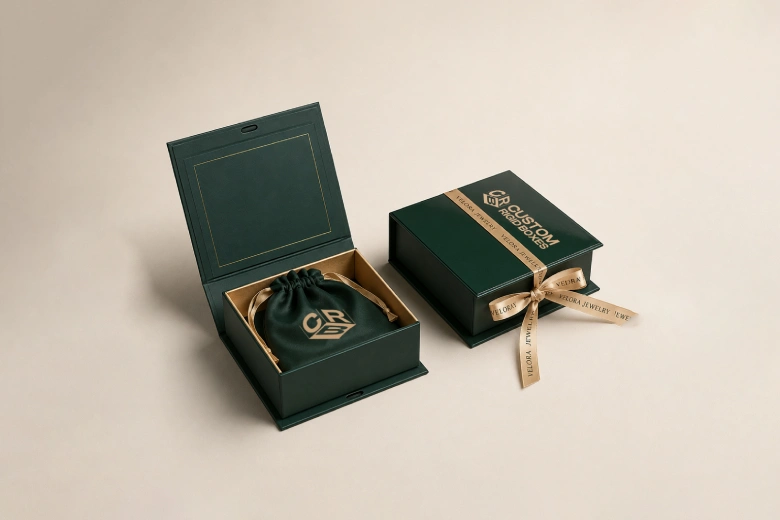
UV coating is a favorite for luxury packaging. The reason? It adds a high-gloss, protective, and tactile layer that highlights branding elements.
This coating works well for:
- Luxury Goods: UV coating provides a sturdy, textured canvas for protective high-tech packaging and exclusive watch boxes.
- Jewelry: The coating enhances the unboxing experience with custom textures, the favorite option for jewelry boxes.
- Fashion: Exceptional apparel boxes are mostly coated with matte or gloss UV.
- Promotional Items: UV coating increases brand presence and durability of shopping bags and hangtags.
Applications of Varnish
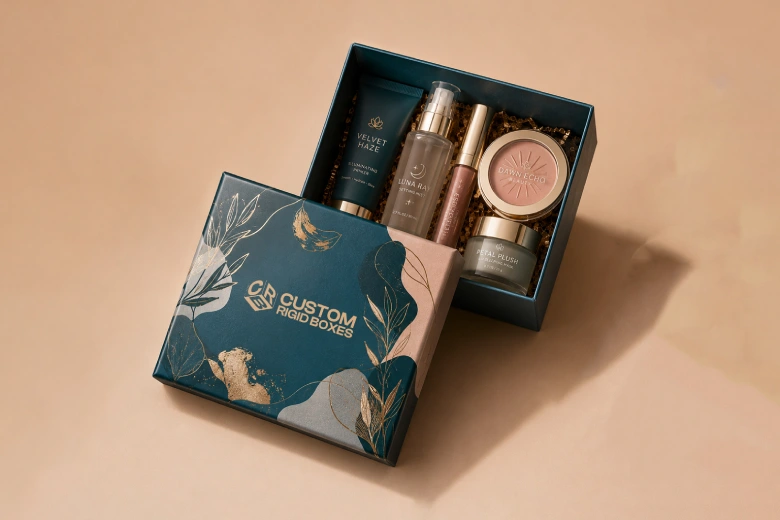
Brands choose varnish for their product packaging to elevate the tactile and visual experience.
This technique works well for:
- Coffee Bags & Pouches: Use a glossy spot varnish over the brand logo or custom illustrations on a matte-finished bag to make them pop.
- Natural/Organic Skin Care: Matte varnish adds a sophisticated yet natural tactile feel for skincare packaging or makeup boxes.
- Folding Cartons: It provides a shiny, polished finish that guards folding cartons from dust and fingerprints.
UV Coating and Varnish: The Comparison Table
| Feature | UV Coating | Varnish |
| The Process | Uses a specialized roller or screen-printing unit | Uses the same plates as the rest of the packaging design |
| Material Compatibility |
|
|
| Drying Time | Instant | Up to 24 hours |
| Types |
|
|
| Appearance | High-gloss, vibrant, slick, premium | Elegant, softer, less intense shine |
| Durability | Highly resistant to abrasions, chemicals, and moisture | Light protection |
| Flexibility | Brittle, may crack at the seams | Thin, won’t crack when the paper is folded |
| Cost | Expensive | Budget-friendly |
| Sustainability | Easy to recycle | Harder to recycle |
| Applications |
|
|
Varnish vs UV Coating: The Amazing Benefits
Now that we have revealed all the features of UV coating and varnish, let’s know the benefits each finish offers.
Benefits of UV Coating
- Ultimate Protection: Hardest surface available to prevent shipping damage.
- Vibrant Colors: Makes blacks deeper and colors more vivid.
- Speed: No waiting for ink to dry before the next production step.
Benefits of Varnish
- Cost-Effective: Minimal impact on the per-unit price.
- Write-ability: Some varnishes allow you to write on them with a pen (impossible with UV).
- Soft Look: Ideal for “natural” or “organic” brand aesthetics.
UV Coating vs Varnish: How to Choose the Right Finish for Business Packaging?
Choosing between UV coating and varnish for product packaging depends on balancing your needs for visual impact, durability, cost, and environmental impact.
Choose UV coating when you need:
- High Visual Impact: It makes dark colors richer and gives a “wet” look, perfect for cosmetics, electronics, or luxury products.
- Maximum Protection: It provides superior resistance to scratches, scuffs, and smudges for items that are frequently handled or shipped.
- Spot Applications: Spot UV can highlight specific areas with a high-gloss contrast against a matte background.
- Instant Turnaround: Dries instantly under UV light, making it ideal for fast production runs.
Choose varnish if you want:
- Budget-Friendly: Varnish is generally more affordable than UV coating, making it ideal for high-volume, standard packaging.
- Sustainability: Water-based varnishes are more eco-friendly and better aligned with sustainability goals because they are easier to recycle.
- Matte or Subtle Look: If you prefer a matte or satin finish over extreme gloss, varnish offers a “softer,” more natural appearance.
Wrapping Up
No doubt, two finishing options that have become popular are UV coating and varnish. Both are preferred by many brands because they deliver an impressive product’s look, right from the packaging.
The main difference between UV coating and varnish lies in application: As the name suggests, UV coating uses UV lamps to cure immediately. Meanwhile, varnish dries through evaporation or oxidation.
Depending on your needs for visual impact, durability, cost, and environmental impact, make sure you choose the right finish for your business packaging.
FAQs
What’s UV coating?
UV (Ultraviolet) coating is a clear, liquid compound applied to printed materials and instantly cured using intense ultraviolet light.
What is varnish?
Varnish is essentially “clear ink.” It is applied on a standard printing press just like Cyan, Magenta, Yellow, or Black (CMYK), offering a more subtle, natural look.
What’s the difference between UV coating and varnish?
The main difference between UV coating and varnish lies in application: As the name suggests, UV coating uses UV lamps to cure immediately. Meanwhile, varnish dries through evaporation or oxidation.
How to choose between UV coating and varnish?
When choosing between UV coating and varnish for product packaging, you need to balance visual impact, durability, cost, and environmental impact.