Choosing the right packaging is about more than just finding a container. It’s about balancing your budget, protecting your product, and making a great first impression. If you’ve been looking at your options, you’ve likely narrowed it down to two popular options: rigid boxes and mailer boxes.
But which one is right for your brand? Read all the details in this practical comparison to help you decide.
What are Rigid Boxes?
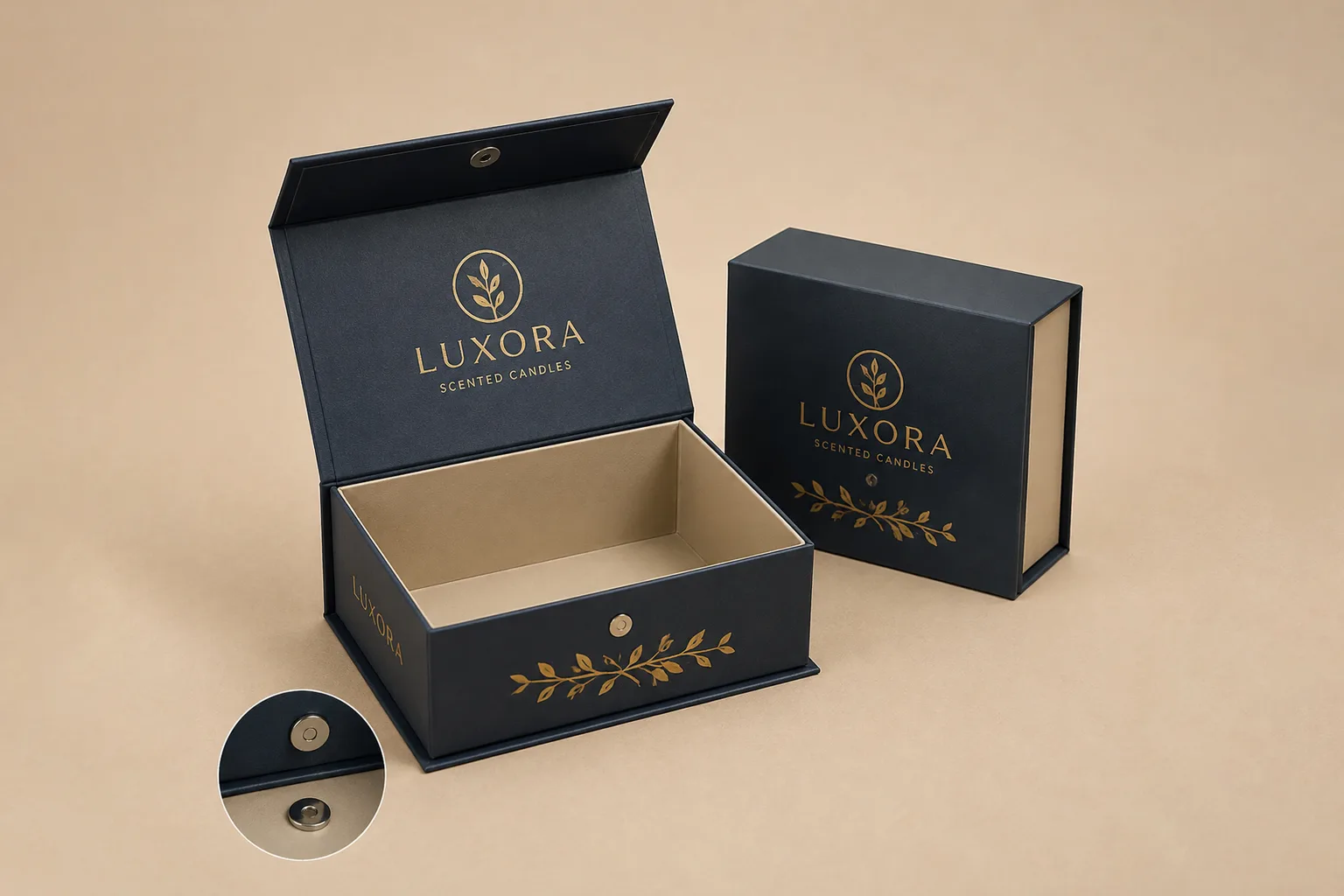
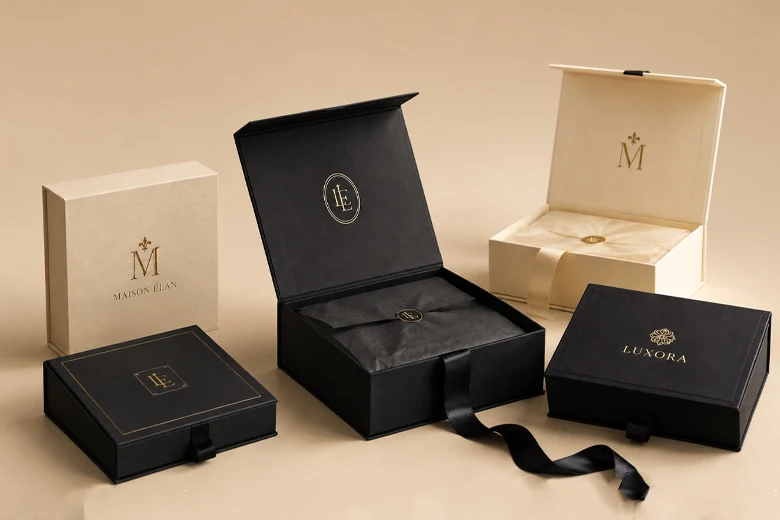
Rigid boxes (also known as set-up boxes) are the benchmark in the luxury market. They are incredibly sturdy and, mostly, don’t collapse or fold flat. Overall, these boxes are designed to provide a “keepsake” feel—just like what luxury packaging should be.
What are Mailer Boxes?
Mailer boxes are popular as the “hero” of e-commerce shipping. These boxes are designed to fold into shape and ship directly, without requiring an outer shipping carton. They are practical, durable, and highly customizable.
Rigid Boxes vs Mailer Boxes: Key Differences
What is the difference between a rigid box and a mailer box?
The fundamental difference lies in their structural intent. A rigid box is designed for presentation and perceived value. On the other hand, a mailer box is designed for durability and logistics efficiency.
Let’s break down all the key differences between the two.
Materials

The “feel” of a box starts with what it’s made of. For both rigid boxes and mailer boxes, the materials determine everything from the package’s weight to the quality of the printing.
- Rigid Boxes
Rigid boxes are constructed from thick greyboard or chipboard (usually 1-3mm thick). This dense, recycled material provides the “heft” and strength for high-end products. This core is then wrapped in high-quality kraft or art paper, which can be embossed, foiled, or printed with intricate designs.
- Mailer Boxes
Mailer boxes use corrugated cardboard, consisting of a “fluted” paper layer sandwiched between two liners (often Kraft paper). This architecture creates air pockets that act as cushions, making each box lightweight yet remarkably crush-resistant.
Manufacturing Process
The designing process of a rigid box involves more manual labor or specialized “set-up” machinery to wrap the paper around the board. Yes, this means it takes time to produce it.
Meanwhile, a mailer box is simply die-cut from flat sheets and can be manufactured at high speeds.
Texture

Texture matters when it comes to successful product packaging that impresses customers’ eyes.
Rigid boxes come in a smooth, premium texture. Even better, you can polish them with specialty finishes like soft-touch lamination, aqueous coating, or spot UV.
Mailer boxes generally have a slightly textured, papery feel. While they can be printed in full color, these boxes might lack the “polished” finish of a rigid box.
Durability
Speaking of durability, mailer boxes win for impact protection because their corrugated fluting absorbs shocks. On the other hand, rigid boxes excel in structural durability because they won’t bend or flex.
Styles

Now comes the most exciting part: the box styles.
Rigid Boxes
Because they are “wrapped,” rigid boxes offer a variety of sophisticated opening experiences.
Here are the popular styles of rigid boxes.
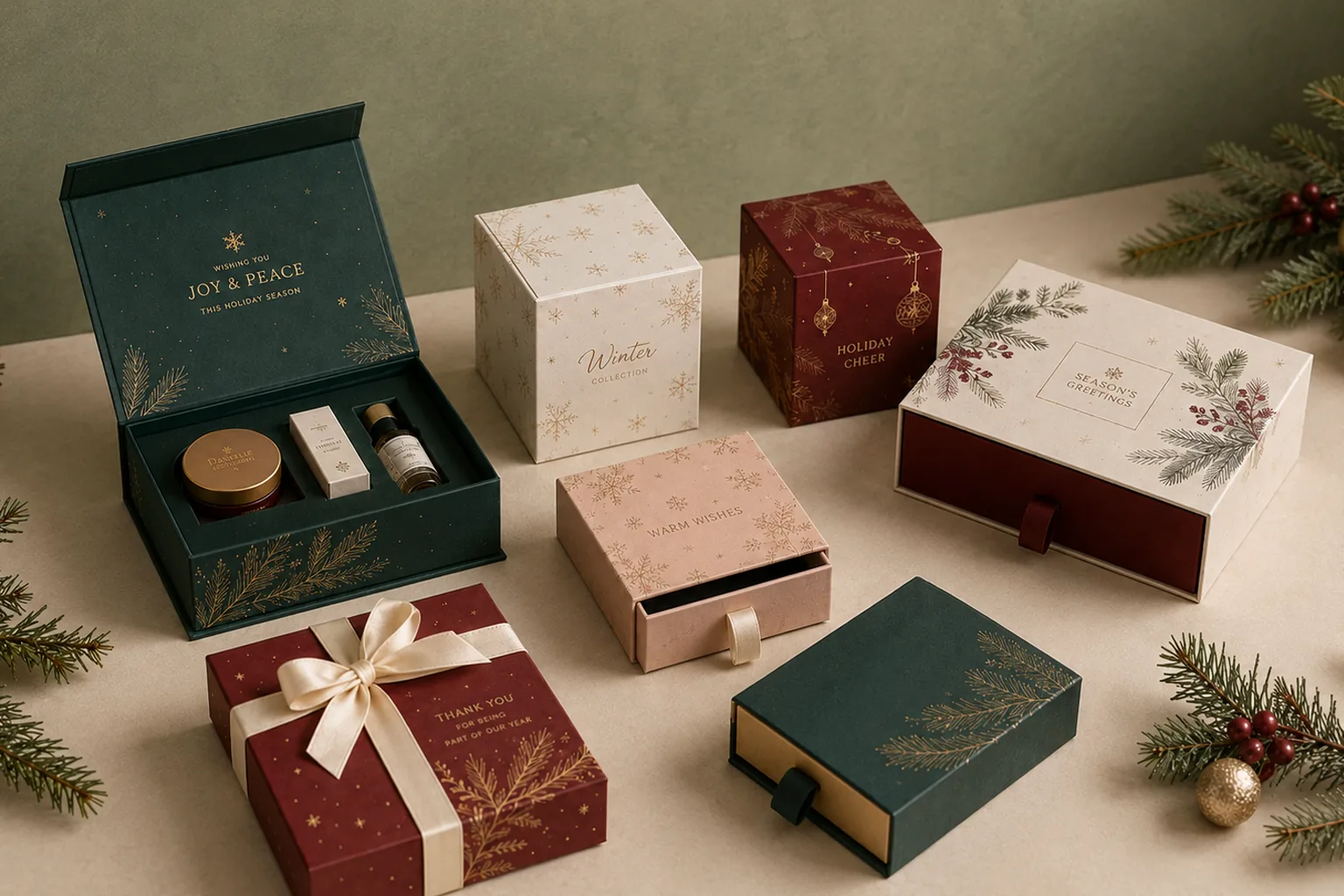
- Drawer Boxes: Slide out like a matchbox using a ribbon pull.
- Collapsible Boxes: The modern hybrid that features the sturdiness of a rigid box but can fold flat to save on shipping costs.
- Shoulder Neck Boxes: The lid and base don’t meet, leaving a “neck” visible in the middle.
- Magnetic Closure Boxes: Use hidden magnets in the lid for a satisfying “snap” when closing.
- Two Piece Boxes: A classic lid and base design layout.
- Book Boxes: Open like a hardcover book and are often used for cosmetics.
- Slipcase Boxes: A sleeve that protects a book or a smaller box inside.
- Round Boxes: Feature soft edges and offer a unique, vintage aesthetic.
Mailer Boxes
As they are a favorite in the e-commerce world, mailer boxes focus on security and ease of assembly.
What mailer box styles are available?
- Roll End Tuck Top (RETT) with Locking Tabs: The industry standard with the top folds over and tabs tuck into the front for a very secure seal.
- Self-Locking Mailer: A simpler version that stays closed without the need for extra tape.
Functionality
A beautiful box is useless if it doesn’t function well.
- Rigid boxes: Designed for the shelf or the vanity, they are designed to be kept by the customer long after the product is gone.
- Mailer boxes: Built for the shipping lane, they are easy to stack, label, and throw into a delivery truck.
Unboxing Experience
The experience customers get when opening your box is the one that can make or break their trust in your brand. And we should also mention the booming of trending unboxing videos everywhere. Be it on Instagram or TikTok, people are sharing their memorable unboxing videos, serving as an organic marketing tool for many brands.
And this is where rigid boxes shine. The “slow-gliding” opening of a well-fitted lid creates a sense of anticipation and luxury. Meanwhile, mailer boxes offer a “brand reveal” experience, as they often feature printed interiors that surprise customers when they first pop the tabs.
Ideal Uses

Rigid Boxes
Many luxury brands prefer rigid boxes as they offer premium product displays.
The thickness of chipboard or greyboard material used to design these boxes makes them ideal for:
- High-end electronic boxes
- Luxury jewelry boxes
- Appealing cosmetic boxes
- Premium watch boxes
- Artisanal chocolate boxes or delightful macaron boxes
- Exclusive gift boxes
Mailer Boxes
Considering their functionality and durability, mailer boxes are the perfect choice for subscription boxes or packaging lightweight products like apparel, snacks, and most “direct-to-consumer” (DTC) goods.
Sustainability
Both options are generally recyclable.
Rigid boxes are reusable, which helps in reducing packaging waste. In fact, packaging innovations have led to sustainable rigid box packaging options that do not harm the environment.
And mailer boxes are often considered more eco-friendly because they ship flat, which reduces the carbon footprint of transport. Plus, they rarely require a secondary outer box.
Costs
As many people have been asking: Are rigid boxes expensive? Well, given the complex manufacturing process and the use of sturdy materials, the cost of rigid boxes is higher than that of mailer boxes.
However, the investment in these boxes is well worth it, as rigid boxes offer tremendous benefits that any business cannot afford to skip.
Comparison Table Between Rigid Boxes vs Mailer Boxes
| Feature | Rigid Boxes | Mailer Boxes |
| Materials | Greyboard or Chipboard | Corrugated cardboard |
| Manufacturing Process | Complex | Simple |
| Texture | Smooth, premium | Slightly textured, papery feel |
| Durability | Don’t bend or collapse | Shocks absorption |
| Functionality | Designed for the shelf or the vanity | Built for the shipping lane |
| Unboxing Experience | Luxury and premium | Brand reveal |
| Ideal Uses | Electronics, jewelry, cosmetics, gifts, and luxury products | Lightweight products, snacks, and DTC goods |
| Sustainability | Recyclable and reusable | Eco-friendly |
| Costs | High | Cost-effective |
When to Use Which
Alright, now the challenging part: when to use rigid boxes and when to use mailer boxes?
Use rigid boxes when you need:
- High-End Feel: Ideal for luxury items, jewelry, cosmetics, electronics, and specialty gifts.
- Ultimate Protection: Excellent for fragile items because they do not bend or collapse.
- Retail/PR Kits: Best for in-store displays or influencer PR packages where the unboxing experience is key.
- Pre-assembled: They arrive ready to use, reducing packing time at the warehouse but requiring more storage space.
Use mailer boxes when you need:
- E-Commerce Shipping: Perfect for direct-to-consumer shipping due to their strength and self-locking design.
- Cost Efficiency: Cheaper to produce and ship because they are lighter and ship flat, saving up to 80% on storage space.
- Flexibility: Ideal for shipping apparel and general e-commerce products.
The Takeaway
No doubt, choosing product packaging is about balancing your budget, protecting your product, and making a great first impression. Both rigid boxes and mailer boxes offer excellent qualities. Make sure you choose the right one for your needs and purposes.
FAQs
What are rigid boxes?
Rigid boxes are incredibly sturdy and, mostly, don’t collapse or fold flat. They are designed to provide a “keepsake” feel, the gold standard in luxury packaging.
What are mailer boxes?
Mailer boxes are popular in e-commerce shipping. They are designed to be folded into shape and shipped directly without needing an outer shipping carton.
What is the difference between a rigid box and a mailer box?
The fundamental difference lies in their structural intent. A rigid box is designed for presentation and perceived value, while a mailer box is designed for durability and logistics efficiency.
How to choose between rigid boxes vs mailer boxes?
If you want “WOW” and luxury factors, go with rigid boxes. If you want efficiency, protection, and value, mailer boxes are perfect.