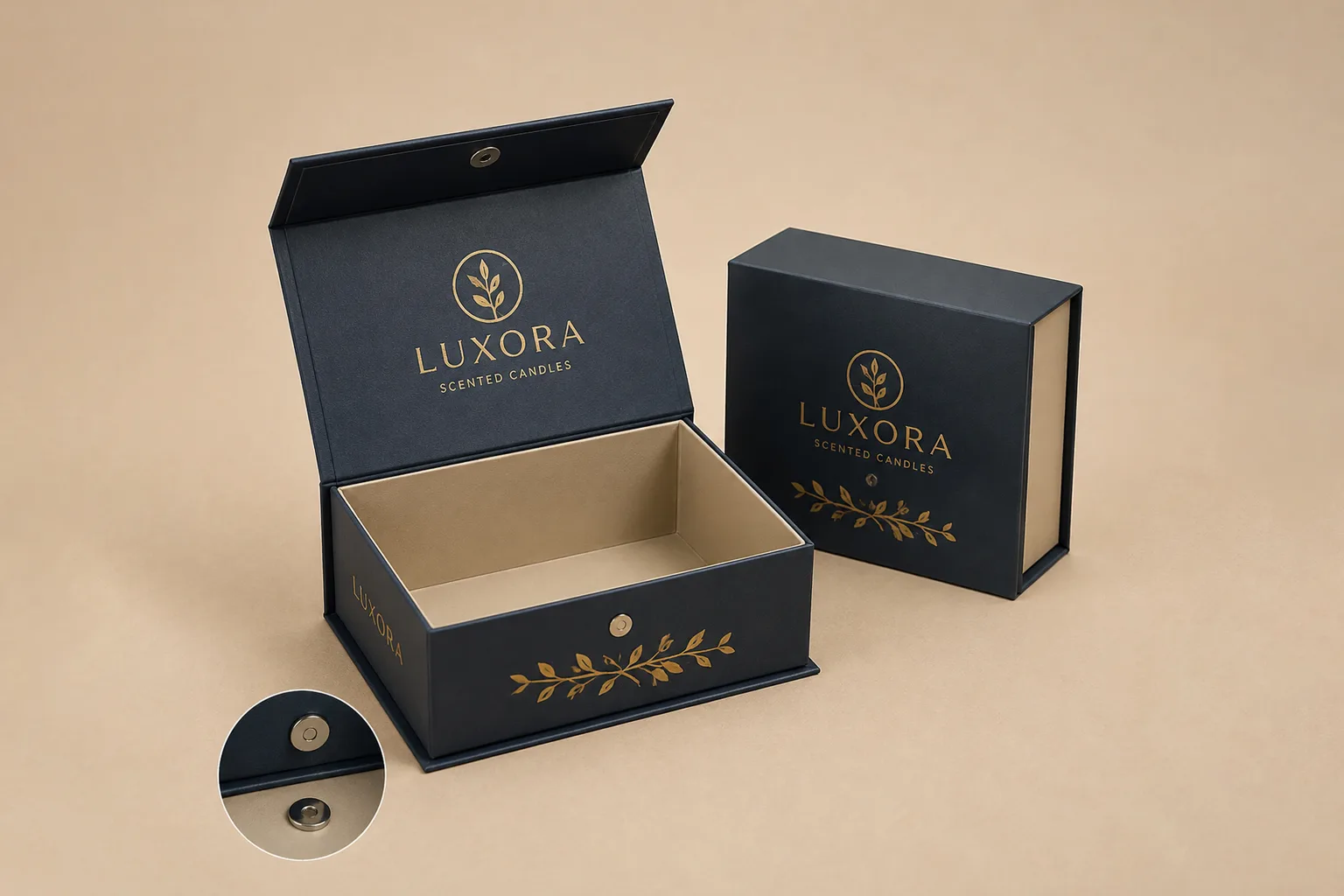
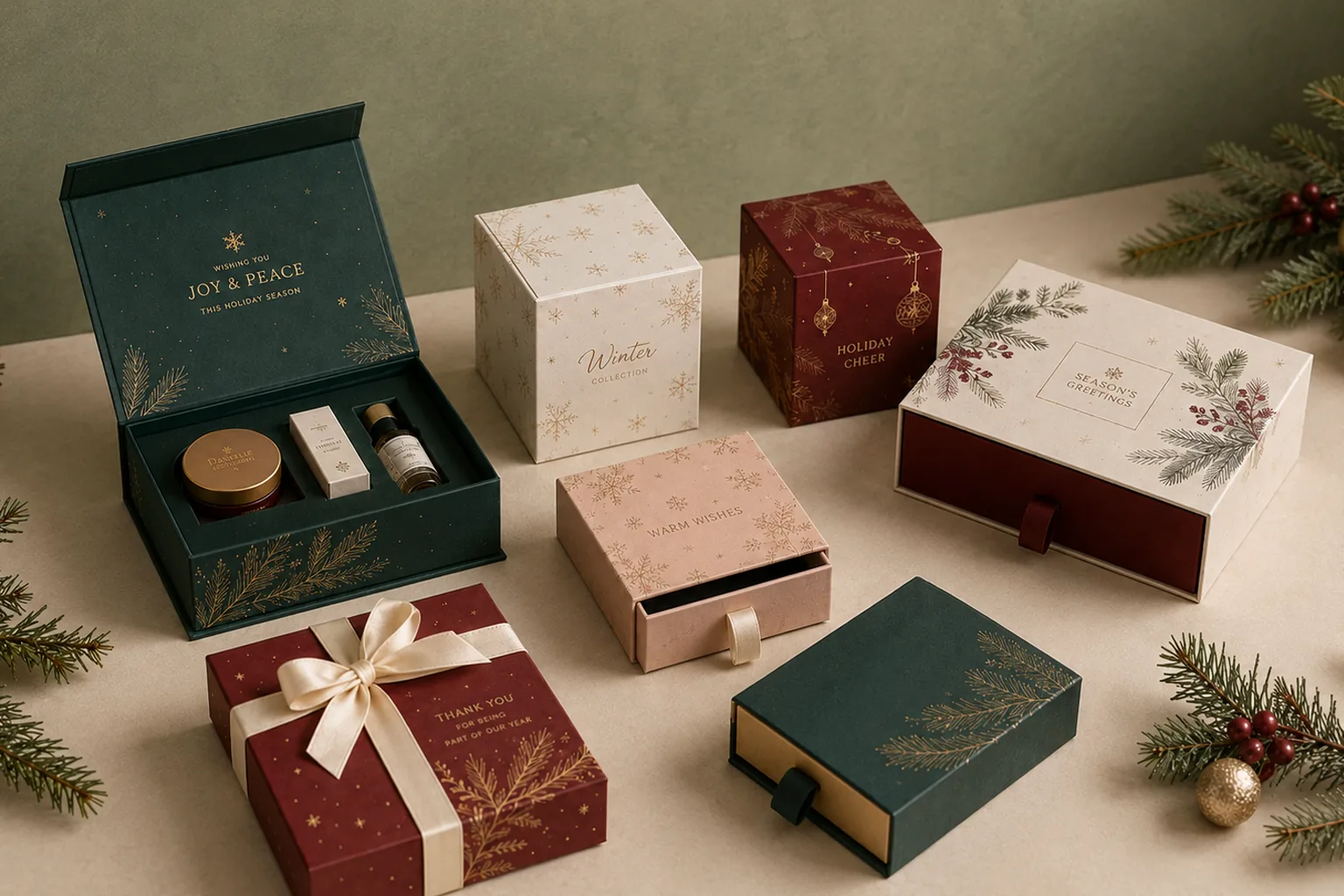
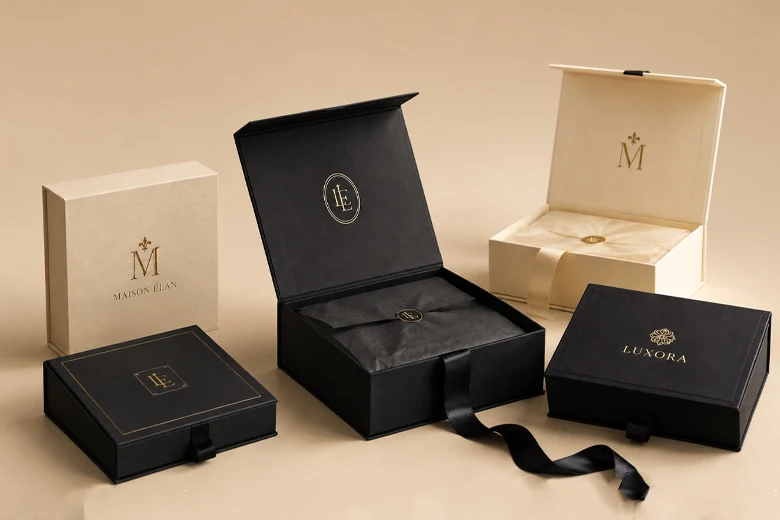
Have you ever picked up a luxury smartphone box and felt its silky smoothness? Or perhaps you have carried a heavy six-pack of beverages without it tearing? That isn’t just ordinary paper.
It is the hidden superhero of modern packaging: paperboard. As brands shift toward sustainable, plastic-free solutions, choosing the right material is no longer just a purchasing decision—it is an essential branding and environmental choice.
But what is paperboard? Let’s unwrap the types of paperboard, structures, and performance to help you choose the ultimate canvas for your product packaging.
What is Paperboard?
Paperboard is a thick, high-density paper-based material made from cellulose fibers sourced from wood pulp or recycled paper, which are compressed and layered to create a rigid yet lightweight material.
It serves as the foundation for retail cartons, food sleeves, and luxury rigid boxes worldwide.
How is Paperboard Made?
The transformation from raw wood to crisp, structural packaging is a masterpiece of modern manufacturing. It balances chemical breakdown, mechanical pressing, and high-tech finishing.
Let’s walk through the entire process.
Raw Material & Pulping
Production starts by harvesting pine and birch from managed forests or collecting recycled waste paper. Then, these materials are pulped to separate wood fibers from lignin, the natural glue, either mechanically to retain the wood’s structure or chemically.
Refining & Layering
The pulp slurry enters a refining phase, where fibers are beaten to increase bonding surface area. Next, the mixture flows onto multi-ply paper machines. Specialized formers lay down different pulp grades at once to create a board with a tough recycled center and a smooth virgin-fiber top layer.
Pressing & Drying
The wet fiber web passes through heavy press rolls to squeeze out water and compact the sheets. The steam-heated drying cylinders reduce the moisture to a precise 5–7%.
Coating & Finishing
A liquid coating (clay, binders, and calcium carbonate) ensures sharp, vibrant graphics.
What are the Different Types of Paperboard?
The industry classifies paperboard into different grades; each with its key specialty designed to meet specific strength, aesthetic, and packaging goals.
Solid Bleached Sulfate (SBS)
SBS is the undisputed premium gold standard of paperboard, prized for its perfect appearance and clean composition.
- Physical & Mechanical: Made of 100% bleached virgin fibers (hardwood and softwood), it resists tearing and warping for long-lasting stability.
- Surface & Aesthetic: Brilliant white on both sides, exceptionally smooth for vibrant color printing.
- Performance & Converting: Folds and scores sharply without cracking; ideal for clean die-cutting, embossing, and foil stamping.
- Environmental: Hygienic, FDA-compliant for direct food contact, and 100% recyclable.
Coated Unbleached Kraft (CUK) & Uncoated Unbleached Kraft (UUK)
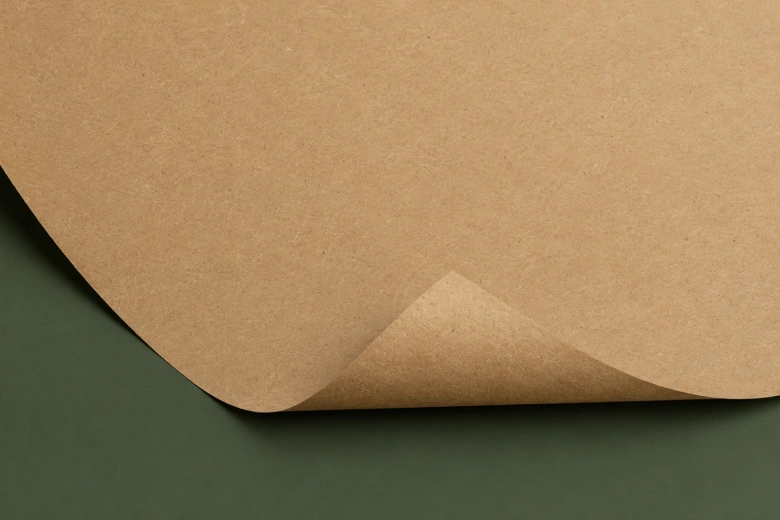
When maximum structural strength and a natural, rustic vibe are non-negotiable, unbleached kraft board is the go-to choice.
- Physical & Mechanical: Made from unbleached virgin softwood for superior tear strength, puncture resistance, and heavy-duty load capacity.
- Surface & Aesthetic: Features a rich brown base. CUK has a white clay coating for vibrant printing; UUK is raw and uncoated for a textured, organic look.
- Performance & Converting: Offers excellent stiffness for high-speed packaging lines and easily accommodates wet-strength resins for moist environments.
- Environmental: Highly sustainable due to reduced bleaching, making it a top choice for eco-friendly branding.
Coated Recycled Paperboard (CRB)
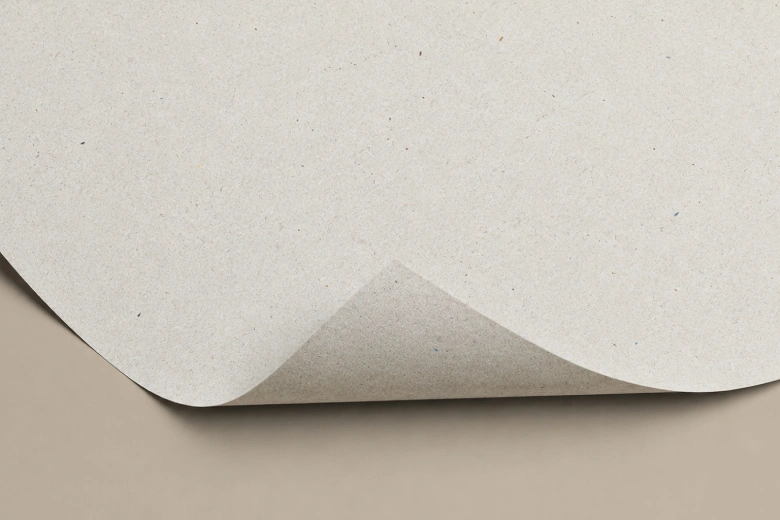
CRB, also known as Clay Coated News Back (CCNB), is the ultimate champion of high-volume, cost-conscious consumer packaging.
- Physical & Mechanical: Made of 100% recycled newsprint and office paper, it has a lower strength than virgin board; ideal for lightweight items.
- Surface & Aesthetic: Top layer features a smooth clay coating for standard retail printing. Interior and reverse have a muted grey or light brown tint.
- Performance & Converting: Folds easily and runs smoothly on high-speed gluers, but requires scoring calibration to prevent edge fracturing.
- Environmental & Material: Extremely low carbon footprint.
Folding Box Board (FBB)

FBB is a high-favorite one that cleverly balances premium aesthetics with lightweight efficiency.
- Physical & Mechanical Properties: Features a multi-ply design with a mechanical-pulp core and bleached virgin-pulp outer layers, creating a highly rigid, lightweight sheet.
- Surface & Aesthetic Properties: Offers a clean, creamy white finish and includes a pigment-coated top layer for high print resolution and contrast.
- Performance & Converting Properties: Provides high bulk and springback resistance; it maintains its shape perfectly on retail shelves.
- Environmental & Material Characteristics: Requires less raw material to create thick, protective boxes.
Non-Bending Chipboard
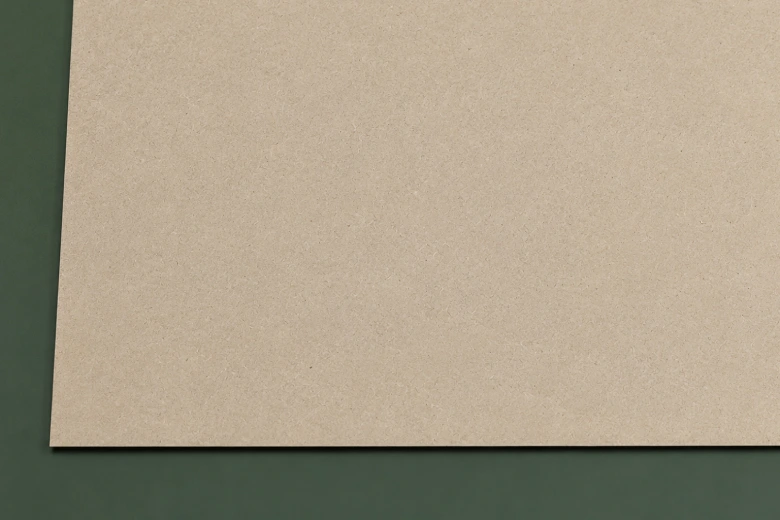
Unlike the other grades, chipboard is designed to stay flat and rigid.
- Physical & Mechanical: Made from recycled fibers, it is very high-density, thick, and non-collapsible.
- Surface & Aesthetic: Raw and uncoated, it comes in industrial gray or dark brown and serves as an invisible inner frame.
- Performance & Converting: Requires heavy shears or specialty dies. Wrapped and glued with thin premium paper; one of the boards used for rigid boxes.
- Environmental & Material: 100% circular post-consumer waste.
Types of Paperboard: The Comparison Table
| Type | Physical | Surface | Performance | Environmental |
| SBS | Resists tearing and warping | Brilliant white, smooth for printing | Folds and scores sharply without cracking | Hygienic, FDA-compliant, 100% recyclable |
| CUK & UUK | Tear strength, puncture resistance, heavy-duty load capacity | CUK for vibrant printing UUK for a textured, organic look | Excellent stiffness, wet-strength resins | Sustainable |
| CRB | Lower strength | Top layer with a smooth clay, interior with a muted grey or light brown tint | Folds easily, requires scoring calibration | Low carbon footprint |
| FBB | Rigid, lightweight sheet | Clean, creamy white finish with a coated top layer | Maintains its shape | Requires fewer raw materials |
| Chipboard | High-density, thick, non-collapsible | Gray or dark brown | Wrapped and glued with thin premium paper | 100% circular post-consumer waste |
Paperboard vs Cardboard
The terms paperboard and cardboard are frequently used interchangeably. However, in the packaging industry, they mean completely different things.
- Paperboard: A single, solid sheet of compressed paper fibers. It’s thin, sleek, easy to print on, and designed for main consumer packaging on store shelves.
- Cardboard (Corrugated Fiberboard): A structural sandwich made of a wavy, fluted paper middle layer glued between two flat outer liner sheets. It is mainly built for shock absorption, stackability, and transit protection.
What are the Types of Paperboard Packaging?
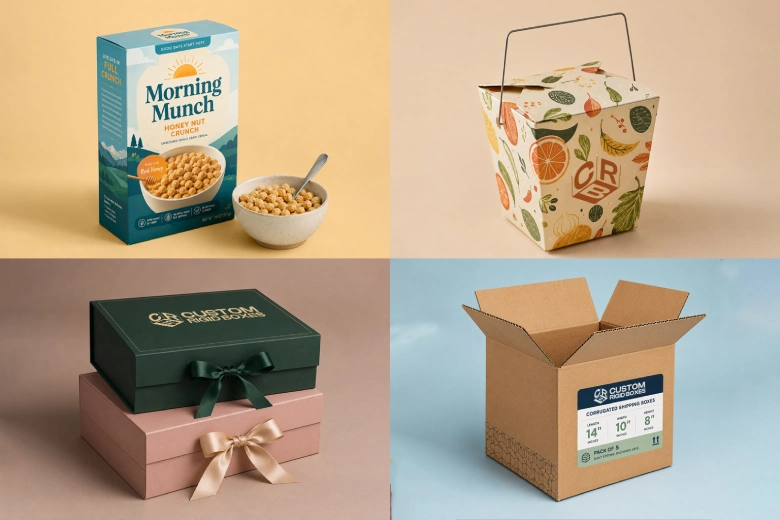
Given its various grades and properties, paperboard is widely used for almost all types of packaging for consumer goods, including:
- Folding cartons: Cereal boxes, medicine boxes, skincare packaging.
- Corrugated shipping boxes: E-commerce mailers, heavy-duty moving boxes.
- Rigid boxes: Various industries choose rigid boxes for their products.
- Food-grade packaging: Takeaway containers, coffee cups, food trays.
Popular Finishes for Paperboard Packaging
A raw printed box tells only half the story. It is specialty finishes for luxury packaging that enhance tactile feedback, shield inks from scratching, and instantly elevate your brand’s value.
What are the popular finishes for paperboard packaging?
Coatings & Varnishes
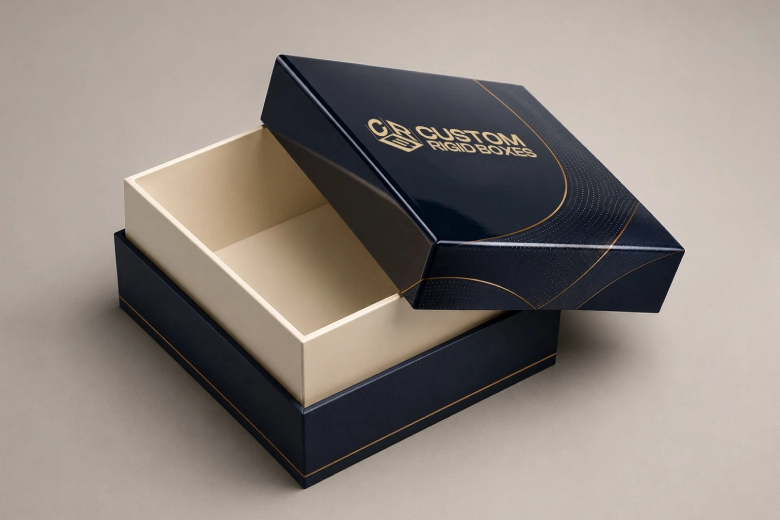
Applied in-line as liquid layers directly during the printing process to lock in ink and add surface effects.
- Gloss
Gloss coating reflects light intensely, maximizing color vibrancy, depth, and pop.
Ideal for: Retail product packaging, cosmetic boxes, food sleeves, and perfume boxes.
- Matte
Matte finish diffuses light to reduce glare, creating a soft, elegant look.
Ideal for: High-end gift boxes, luxury apparel packaging, and durable electronic boxes.
- Aqueous (AQ) Coating
AQ coating is a fast-drying, water-based coating that provides excellent scratch resistance and is highly eco-friendly.
Ideal for: Retail folding cartons and attractive mailer boxes.
- Soft-Touch Finish
Soft touch is a specialty coating that leaves the surface feeling velvety, rubberized, and premium.
Ideal for: Premium subscription boxes, exclusive jewelry packaging, and watch boxes.
Laminations
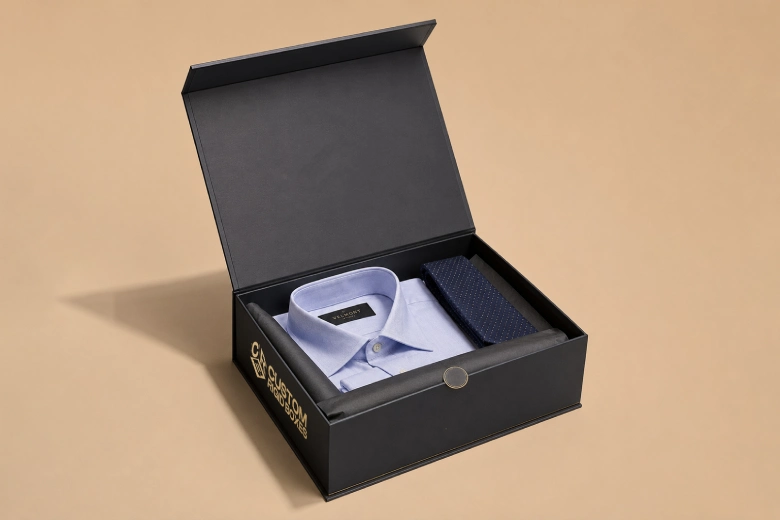
Lamination is an ultra-thin plastic or bio-plastic film bonded to the paperboard using heat and pressure for maximum protection.
- Gloss & Matte Laminations
Both gloss and matte laminations provide an impenetrable barrier against water droplets, oils, and deep scuff marks.
Ideal for: All types of rigid boxes, from hat boxes and cigar boxes to chocolate packaging.
- Scuff-Proof Matte
Scuf-proof matte is an upgraded matte film designed specifically to resist the annoying fingerprints and white scratch lines that occur during transit.
Ideal for: PR boxes, influencer boxes, and luxury candle boxes.
Embellishments & Textures

Embellishments and textures are specialty design touches added to catch eyes on crowded shelves.
Applying a high-gloss liquid to only specific design areas (like your business logo), contrasting sharply against a matte background.
- Embossing & Debossing
Both embossing and debossing use custom metal dies to physically raise (emboss) or indent (deboss) the paperboard fibers, adding 3D physical texture.
Using heat to bond brilliant metallic or holographic foils to the board for a sensational, luxurious gleam.
All the embellishments are suitable for rigid boxes, folding cartons, and premium corrugated boxes.
How to Choose the Right Type of Paperboard for Your Product Packaging?
Alright, now, how to choose the right type of paperboard for your product packaging?
Choosing the right paperboard depends on balancing your product’s structural demands with your brand’s aesthetic and budget.
Here’s the checklist you should note.
Evaluate Your Product’s Weight
If you are packaging heavy items like beverages, hardware, or multi-packs, CUK or FBB provides superior tear resistance and structural integrity without requiring excessively thick paperboard. For lightweight or enclosed secondary packaging, CRB works perfectly. For rigid setup boxes, use Chipboard.
Packaging’s Appearance
If your product relies on luxury shelf-appeal (cosmetics, electronics, or high-end retail), SBS is the benchmark for stunning color graphics and specialty finishes. If your brand promotes an organic, earthy feel, CUK’s brown offers a raw, eco-conscious aesthetic, perfect for rigid kraft boxes.
Define Your Budget
Speaking of the packaging costs, CRB and Chipboard are cost leaders. FBB offers a strong, cost-effective alternative to SBS for large production runs, delivering greater thickness at lower basis weights.
In Summary
Summing up, paperboard is a thick, high-density paper-based material made from cellulose fibers. It serves as the foundation for retail cartons, food sleeves, and luxury rigid boxes worldwide.
The paperboard manufacturing process produces various grades, including Solid Bleached Sulfate (SBS), Coated Unbleached Kraft (CUK), Coated Recycled Paperboard, Folding Box Board, and Non-Bending Chipboard.
To choose the right type of paperboard, evaluate your product’s weight, consider your packaging’s appearance, and define your budget.
So, which type of paperboard suits your next packaging project?
FAQs
What is paperboard?
Paperboard is a thick, high-density paper-based material made from cellulose fibers. It serves as the foundation for retail cartons, food sleeves, and luxury rigid boxes worldwide.
What are the types of paperboard?
The types of paperboard include Solid Bleached Sulfate (SBS), Coated Unbleached Kraft (CUK), Coated Recycled Paperboard, Folding Box Board, and Non-Bending Chipboard.
What are the types of paperboard packaging?
Given its various grades and properties, paperboard is widely used in consumer goods packaging, including folding cartons, corrugated shipping boxes, rigid boxes, and food-grade packaging.
How to choose the right type of paperboard for product packaging?
To choose the right type of paperboard, evaluate your product’s weight, consider your packaging’s appearance, and define your budget.